News
The More Things Change: Why South Africa’s GNU Hasn’t Moved the Needle on Trust
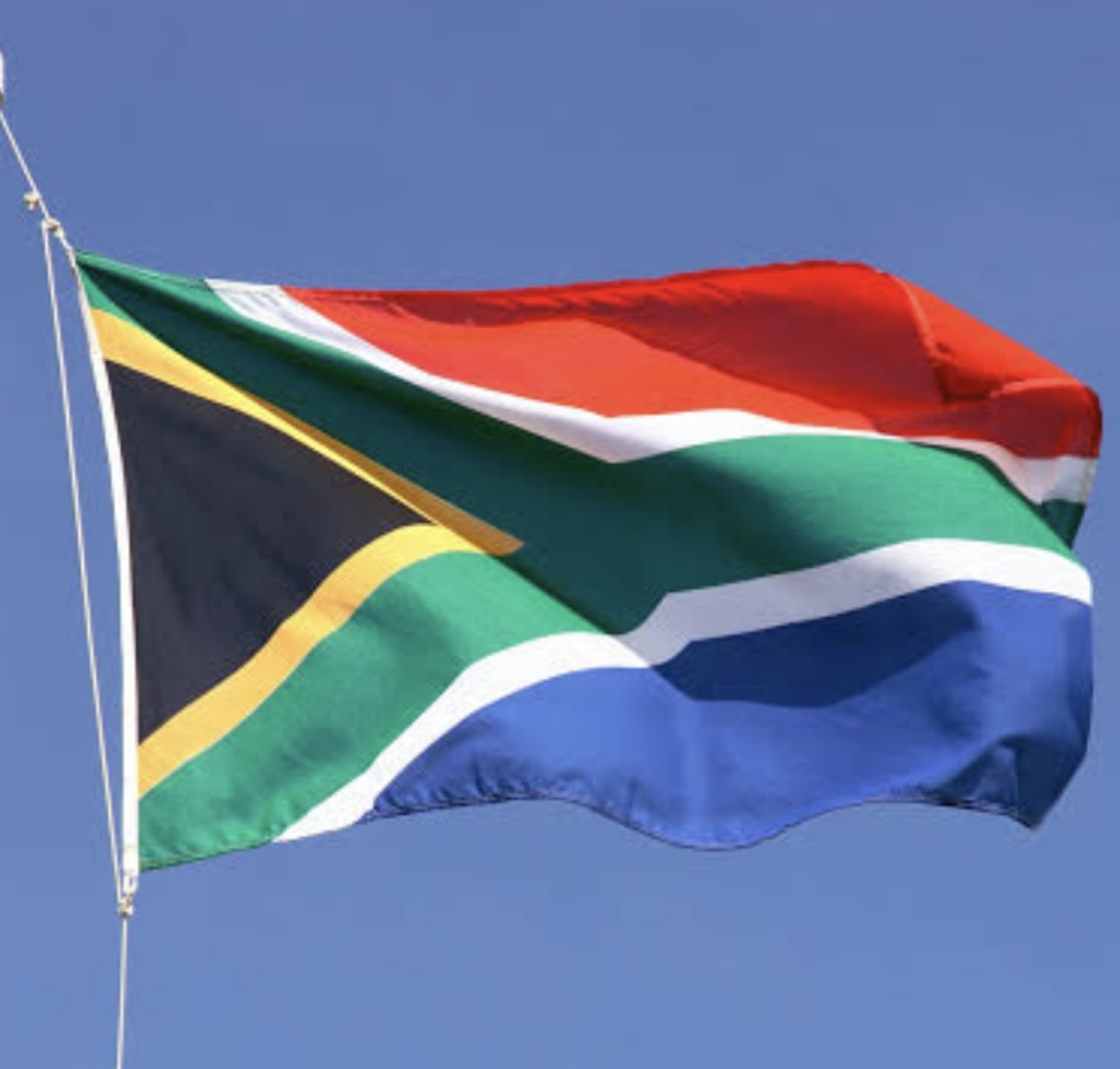
Let’s be honest, last year’s election felt like a seismic shift. For the first time in the democratic era, no single party won an outright majority. The result was the birth of the Government of National Unity (GNU), a coalition promised to steady the ship. But a year on, if you talk to people on the streets from Cape Town to Johannesburg, the mood isn’t one of renewal. It’s a familiar, weary sigh.
A major new study, the 2025 South African Reconciliation Barometer from the Institute for Justice and Reconciliation, has put hard numbers to that national feeling. The core finding is stark: public confidence in the GNU’s effectiveness remains low, with only one in three South Africans expressing strong faith in it. In essence, despite the new political packaging, the public’s distrust, doubt, and sense of division look remarkably unchanged from 2023.
A Coalition of Crisis, Not Connection
Why hasn’t the grand experiment moved hearts and minds? The report suggests a simple, frustrating truth. As one researcher put it, for many voters, it felt like “many of the parties, leaders and agendas remained the same after the 2024 election.” The GNU was less a fresh start and more a reshuffle of familiar faces grappling for power.
This perception is fueled by the GNU’s very public growing pains. As noted by elections expert Professor Susan Booysen, the government has “tottered from one near-death experience to the next.” From bitter fights over cabinet posts to deep ideological rifts on foreign policy, the spectacle has been one of internal conflict, not unified action. The tensions between the ANC and DA, the two largest partners, have been particularly corrosive, spilling over into legislative battles on key issues like the NHI and expropriation.
On social media, the discourse is equally divided. #GNU often trends alongside memes of shaky chairs or circling vultures, reflecting a public that views the alliance as inherently unstable. There’s little sense of a shared national project, only a political marriage of convenience.
The Trust Deficit Runs Deep
The GNU’s struggles are magnified because they sit atop a pre-existing crater of public distrust. Confidence in nearly all public institutions remains perilously low. Only a third of people trust the legal system, the police, or even the presidency. At the very bottom, as it was in 2023, sits local government, trusted by just over a quarter of citizens.
This isn’t just about politics. It’s about daily life. The report notes worsening feelings of recognition and respect across language and cultural lines, and deepening divides based on where you live and your economic standing. The promise of reconciliation and a unified national identity feels more distant, not closer.
A Geographic Divide in Faith
Perhaps one of the most telling insights from the survey is how your address shapes your outlook. Confidence in the GNU isn’t uniform. It is highest in the Western Cape, North West, and Limpopo. It plummets to its lowest in the Northern Cape, KwaZulu-Natal, and the Free State. This regional patchwork tells a story of localized experiences and expectations, suggesting the GNU’s narrative is being filtered through vastly different provincial realities.
The Long Road Ahead
The 2025 Reconciliation Barometer delivers a clear message to South Africa’s leaders: a coalition formed in parliaments does not automatically build trust in communities. South Africans are judging the GNU not on its political compromises, but on tangible changes in their livessafer streets, reliable services, a feeling that leaders are listening.
After one year, the verdict from the public is that the project remains on probation. The GNU has managed the first step of existing. The far harder task of inspiring a fractured nation still lies ahead. The change in government structure has, so far, failed to spark a change in the national psyche. Until it does, that public sigh of skepticism will likely continue.
Follow Joburg ETC on Facebook, Twitter , TikTok and Instagram
For more News in Johannesburg, visit joburgetc.com