Running on empty? South Africa’s oil reserves raise red flags amid global tensions
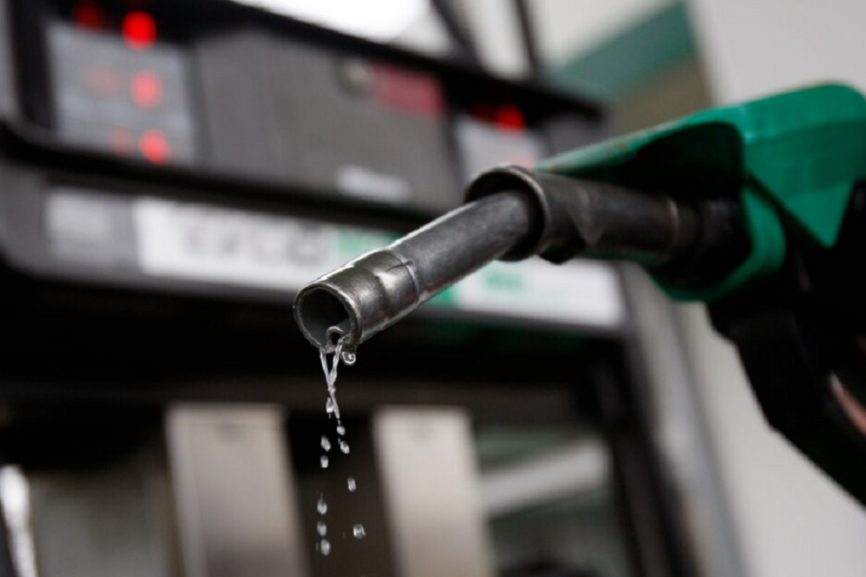
As global tensions push oil prices higher, South Africans are once again bracing for what it could mean at the pump.
But behind the usual fuel price anxiety lies a deeper, more uncomfortable question: how prepared is the country if things get worse?
Right now, not very, at least according to growing concerns from analysts and political voices alike.
A thin safety net in a volatile world
South Africa is believed to hold between 7 and 8 million barrels of strategic fuel reserves. On paper, that might sound substantial, until you realise it only covers about two weeks of national demand.
For comparison, many energy-secure countries aim for at least 90 days’ worth of reserves.
In a world where geopolitical tensions can disrupt supply overnight, that gap is significant. It means South Africa has limited room to absorb shocks if global supply chains are strained or worse, cut off.
The crude problem: fuel you can’t immediately use
There’s another complication that doesn’t get talked about enough.
A large portion of South Africa’s reserves is stored as crude oil, not refined fuel like petrol or diesel. That means even if reserves are released, they can’t simply be pumped into cars or trucks overnight.
They need to be processed first and that’s where the next challenge begins.
Refinery shutdowns have changed the game
Over the past few years, South Africa’s refining capacity has quietly taken a major hit.
Facilities that once powered the country’s fuel supply have either shut down or faced repeated disruptions. The closure of the Sapref Refinery in 2022 previously the largest in the country was a major turning point.
Other refineries have also struggled:
- The Engen Durban Refinery has remained offline
- The Natref Refinery has experienced intermittent issues
While some capacity remains including the Astron Energy Cape Town Refinery it’s not enough to fully meet national demand.
The result? South Africa now relies heavily on imported refined fuel.
Import dependence comes at a price
Being a net importer means the country is directly exposed to global oil price swings and currency fluctuations.
When international prices rise, South Africans feel it almost immediately in petrol and diesel costs. Add a weaker rand into the mix, and the pressure intensifies.
It’s why every spike in global oil markets quickly becomes a local conversation, from taxi ranks to family budgets.
Political pressure mounts for transparency
The issue isn’t just economic, it’s political too.
The Democratic Alliance has called on Gwede Mantashe to clarify the true state of the country’s fuel reserves.
By law, South Africa is expected to maintain roughly two months’ supply of transport fuel. But there are growing concerns that this requirement may not be fully met.
For many, the lack of clear communication is adding to the uncertainty.
What this means for everyday South Africans
For most people, this story becomes real at the petrol station.
Higher oil prices globally often translate into:
- Increased fuel costs
- Rising food prices (due to transport costs)
- Pressure on small businesses and commuters
And in a country already dealing with cost-of-living challenges, even small increases can have a big impact.
The bigger picture: a system under strain
South Africa’s energy vulnerability didn’t happen overnight.
Years of underinvestment, infrastructure challenges, and shifting global dynamics have all played a role. What we’re seeing now is the result of those pressures coming together at a time when the world is particularly unstable.
A fragile buffer in uncertain times
With global conflicts showing no clear signs of easing, the spotlight on South Africa’s oil reserves isn’t going anywhere.
The country isn’t out of options, but it is operating with a thinner margin for error than many would be comfortable with.
And as oil prices continue to climb, one thing is certain:
what happens in distant parts of the world won’t stay distant for long.