News
South Africa Moves To Regulate Podcast Boom As Industry Faces Growing Pains
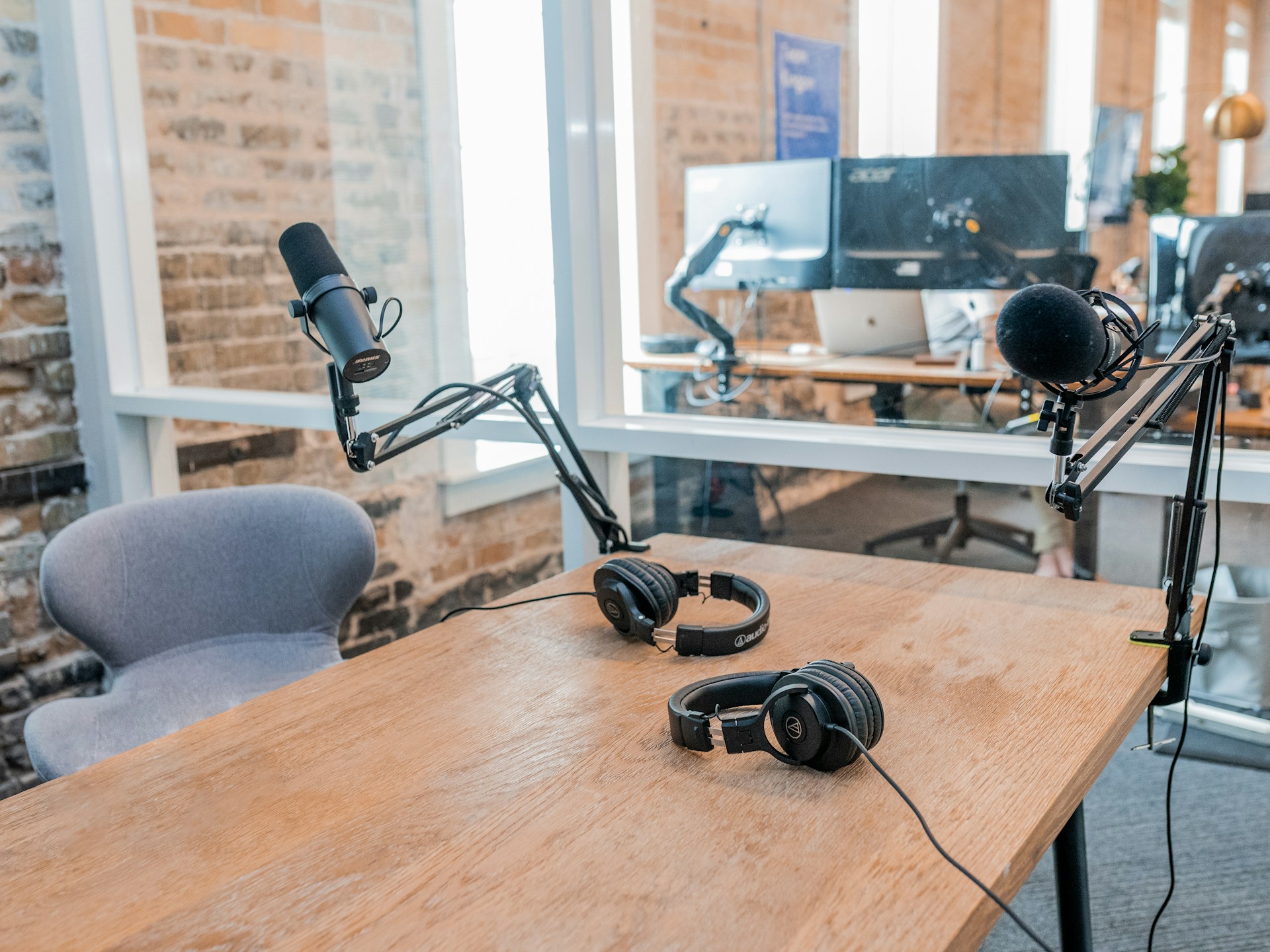
For years, South Africa’s podcast scene has grown quietly in the background. No rulebook, no watchdog, just creators, microphones and audiences tuning in from taxis, offices and late-night bedrooms.
That era may be coming to an end.
Government is now stepping into the conversation, signalling that podcasting is no longer just a creative playground. It is becoming an industry that carries real influence, real money and increasingly, real consequences.
A Turning Point For A Fast Growing Industry
On 24 March 2026, Parliament’s Portfolio Committee on Communications and Digital Technologies will host a high-level roundtable aimed at tackling what officials call “balanced regulation”.
It is a significant moment. Not because rules are being imposed overnight, but because the conversation is finally happening.
Podcasting in South Africa has exploded over the past few years. Cheaper smartphones, wider internet access and a wave of confident local creators have pushed the format into the mainstream. What was once niche is now a powerful media channel shaping public opinion and pop culture.
From business podcasts to celebrity interviews and unfiltered commentary shows, South Africans have embraced the format in a way traditional media never quite managed.
When Influence Outpaces Accountability
The shift toward regulation has not come out of nowhere.
A major flashpoint came after controversial remarks made by podcaster MacGyver “MacG” Mukwevho about media personality Minnie Dlamini. The backlash was swift and intense, moving beyond online criticism into legal territory. MacG later issued an apology.
But the bigger issue was not just what was said. It was what the incident revealed.
Unlike radio or television, podcasts operate largely outside formal regulatory systems. There are no clear, widely enforced rules governing content, and limited avenues for accountability when lines are crossed. Even when creators face consequences in traditional media, they can continue publishing independently online.
That gap has raised difficult questions about responsibility in a space where influence can grow rapidly and monetisation follows closely behind.
The Challenge Of Protecting Freedom While Setting Boundaries
At the centre of the upcoming discussions is a delicate balancing act.
Committee chairperson Khusela Sangoni-Diko has framed the roundtable as a collaborative effort, bringing together government, creators, platforms and civil society. The goal is not to clamp down on creativity, but to find common ground.
That will not be easy.
Podcasting has opened doors that were previously closed. It has given space to new voices, new languages and perspectives that often struggled to find airtime in traditional media. It has also allowed creators to build loyal audiences without needing approval from established institutions.
Any heavy-handed regulation risks undoing that progress.
Yet a completely unregulated space comes with its own risks. As audiences grow, so does the power of the voices behind the mic. And with that power comes the expectation of responsibility.
What Could Regulation Actually Look Like
The big question is not whether podcasts should be regulated, but how.
Among the issues expected to be unpacked are how podcasts fit into existing laws, whether a co-regulation model could work, and how complaints from the public should be handled. There is also a focus on ensuring local creators continue to benefit from the industry’s growth.
This is not just a technical policy debate. It is about shaping the future of South Africa’s digital public space.
Do we treat podcasts like traditional broadcasters, or do we create something entirely new that reflects how the internet works?
A Defining Moment For Digital Media
The upcoming roundtable is expected to produce a report outlining possible next steps. But more importantly, it marks the beginning of a broader shift.
South Africa is starting to recognise that podcasts are no longer just entertainment. They are part of the country’s evolving media ecosystem, with the power to inform, influence and, at times, disrupt.
The challenge now is to build a framework that protects both creators and audiences without silencing the very voices that made podcasting thrive in the first place.
{Source:BizCommunity}
Follow Joburg ETC on Facebook, Twitter , TikTok and Instagram
For more News in Johannesburg, visit joburgetc.com