Finance Minister Enoch Godongwana declared that South Africa has “turned a corner” and that government debt is becoming stable.
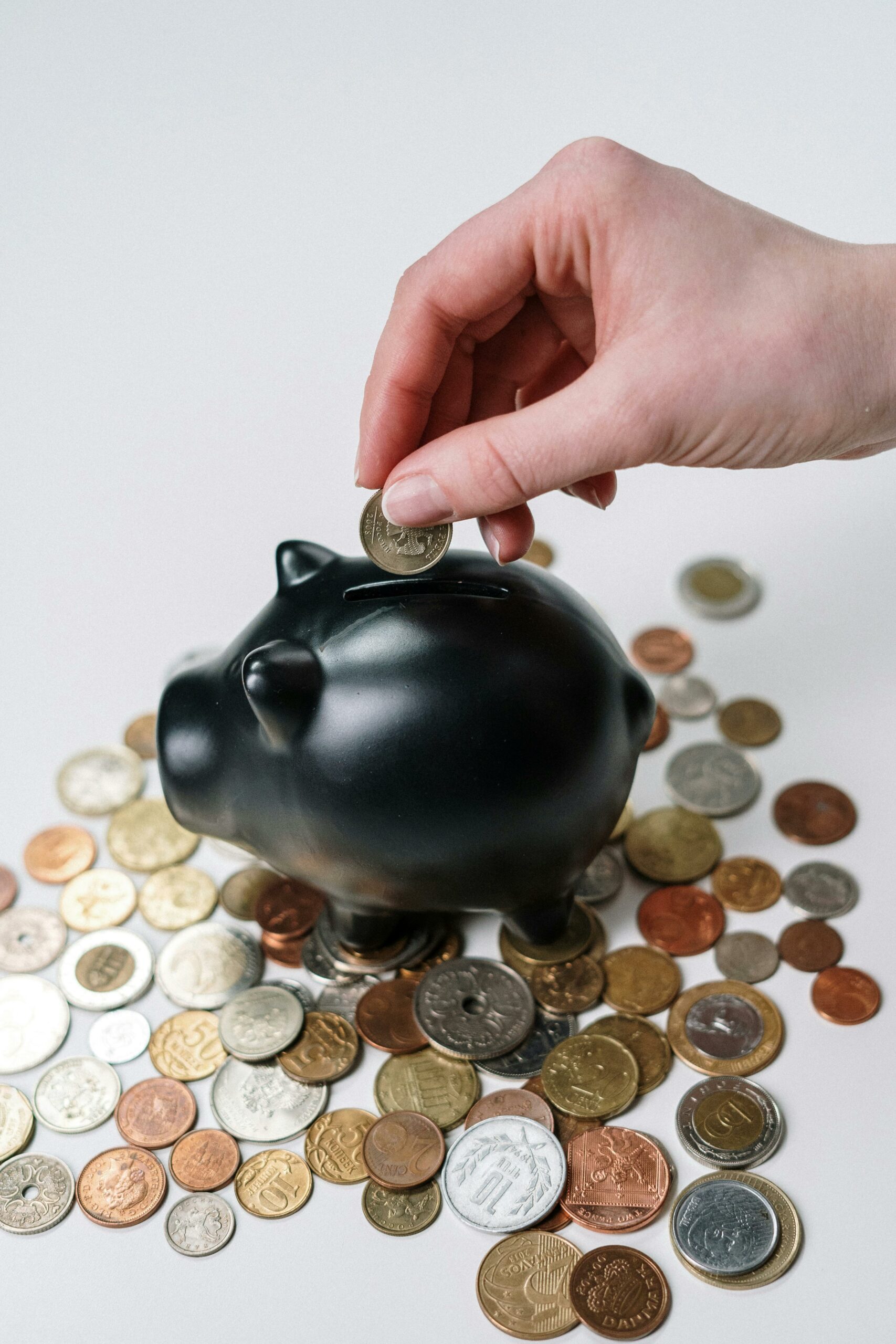
But a chart compiled by The Outlier shows just how much of every rand is swallowed by the pastbefore a single child is taught or a single grant is paid.
For Every R100 the Government Spends
-
R16.31 goes to debt-service costs
-
R13.36 goes to basic education
-
R12.19 goes to social protection
-
R11.45 goes to health
-
R11.28 goes to community development
-
R6.11 goes to economic regulation and infrastructure
-
R5.94 goes to post-school education and training
-
R5.18 goes to police services
-
R3.49 goes to social security funds
-
R14.69 goes to other government expenditure by function
The Debt Story
Debt costs have risen sharply for several reasons.
Between 2017 and 2023, South Africa’s average economic growth was just 0.6% (accounting for inflation). Low growth means lower tax revenuebut spending doesn’t stop.
The COVID-19 pandemic forced the government to increase spending on emergency relief and social grants, creating significant budget deficits that were covered through borrowing.
Global interest rates rose. The rand weakened. State-owned entities like Eskom required substantial bailouts.
The result: every R100 of government spending now includes more than R16 that simply services past debtmoney that could have built schools, hired nurses, or fixed roads.
The Turning Point?
Over the past few years, the government has tightened its belt to find funds to repay debt and pay interest on it.
Tax revenue is increasing as investments in electricity generation and port infrastructure pay off, and the economy grows.
The economy is projected to expand by 1.6% in 2026 (inflation-adjusted) and by 2% in 2028.
South Africa’s debt remains above 78% of GDP. But Treasury believes this ratio will decline from 2026 onwards.
The Bottom Line
Sixteen rand of every hundred goes to debt. Thirteen rand goes to schools. Twelve rand goes to grants.
The past is expensive. But if growth picks up and debt stabilises, that R16 could one day become classrooms, clinics, and jobs.
For now, it’s the price of where we’ve been. The question is whether we can afford where we’re going.