News
The R20bn Vote of Confidence: Inside SA’s Overhauled Transformation Fund
In a striking show of faith, corporate South Africa has already pledged close to R20 billion to a fund that hasn’t even officially launched. This is the unexpected opening chapter for the Department of Trade, Industry and Competition’s (dtic) revamped Transformation Fund, a cornerstone of the country’s renewed push for economic inclusion. For black businesses, long starved of accessible capital, this pre-launch commitment isn’t just a numberit’s a potential lifeline.
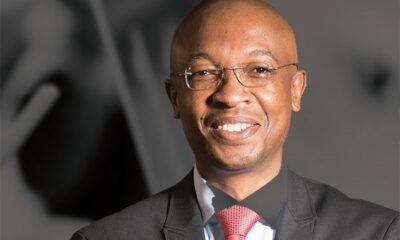
“It shows the confidence that corporate South Africa and everyone else in South Africa has got in this fund,” says Kganki Matabane, CEO of the Black Business Council (BBC), in an interview. The fund, targeting R100 billion over five years, aims to centralise and supercharge enterprise development, moving it from a fragmented corporate obligation to a scaled, professionally managed national engine for growth.
From Proposal to Practice: Navigating the Road Ahead
Recent media reports have buzzed with proposals from a dtic discussion document, including ideas like awarding 30 B-BBEE points for contributions or allowing companies to jump to a Level 3 contributor status by pledging 3% of turnover. Matabane urges calm, clarifying that these are still just proposals.
“As things stand now, nothing has actually changed,” he stresses. “The codes as we know them are still the way they are.” The critical next step is a formal consultative process, expected to kick off with a document release from the dtic, opening the floor for public comment. In a constitutional democracy, he notes, you can’t simply rewrite the rules overnight.
A Fund of Funds: The “Solidarity Fund” Model
The envisioned model is what Matabane calls a “solidarity fund” or a “fund of funds.” It won’t replace existing corporate enterprise development schemes but will act as a massive, credible pool where companies can channel their contributions. The National Empowerment Fund (NEF) is currently the “midwife” of the process, but a new, independent board will ultimately oversee the fund.
This board’s composition is key. To avoid conflicts of interest, Matabane explains the majority will be drawn from the private sector“self-actualised individuals” who are not seeking funding themselves. This, he argues, will ensure governance without fear or favour. The dtic minister will appoint the board, to which it will be accountable.
Why Corporates Are Signing Cheques Early
The R20bn in early commitments reveals a corporate appetite for a more efficient system. Many companies, Matabane points out, are not in the business of running venture capital arms. The chance to transfer their enterprise development mandates to a large, well-governed fundwhile still earning their B-BBEE pointsis a compelling proposition. It lets them focus on their core operations while knowing their transformation contribution is being managed effectively.
For small black businesses, the promise is one of access and scale. The current system is a patchwork, often difficult to navigate. A single, large-scale fund managed by professionals could streamline application processes and deploy capital where it’s needed most.
The Path Forward: Consultation is King
The journey to a live fund is a procedural one. The coming weeks of public consultation will be crucial in shaping the final framework. The challenge will be to design a system that is both ambitious in its scale and pragmatic in its execution, avoiding bureaucratic pitfalls while ensuring the money truly reaches and grows black-owned enterprises.
The early R20bn cheque is a powerful signal. It suggests that after years of debate, a critical mass of players now agrees: a consolidated, well-run transformation fund isn’t just a regulatory ideal, but a necessary investment in the country’s shared economic future. The real work of turning that commitment into lasting change is just beginning.
Follow Joburg ETC on Facebook, Twitter , TikTok and Instagram
For more News in Johannesburg, visit joburgetc.com