News
South Africa Strikes Chicken Deal with US Amid Bird Flu Ban
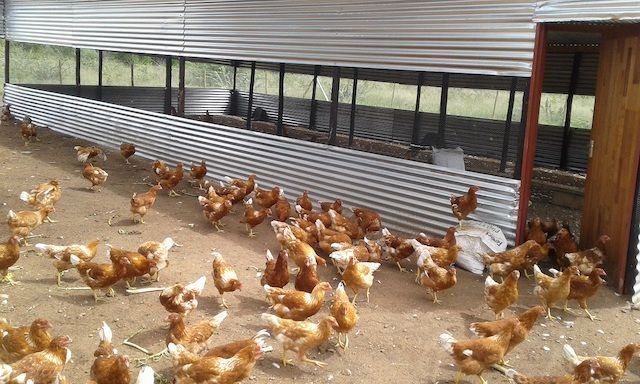
A bold poultry pact aims to protect food security as bird flu disrupts global trade
As bird flu outbreaks rattle poultry industries across the globe, South Africa has pulled off a strategic move to keep chicken on our plates—by securing a one-year poultry import agreement with the United States.
Despite the fact that the US has logged 70 cases of Highly Pathogenic Avian Influenza (HPAI), local authorities say this deal is both safe and smart.
Feeding the Nation in a Crisis
The decision comes at a critical time. In recent weeks, Brazil, South Africa’s largest supplier of poultry, confirmed its first-ever case of bird flu, triggering an import ban that cost South Africa an estimated 100 million protein meals per week.
In a country where food insecurity remains widespread—particularly in provinces like the Eastern Cape and Limpopo where up to 30% of households go hungry regularly, according to Stats SA—the ripple effects have been devastating.
So when the Department of Agriculture announced this week that it had signed off on a dynamic poultry import arrangement with the US, importers and food security experts alike breathed a cautious sigh of relief.
How the Deal Works
Rather than shutting the door completely because of bird flu cases in parts of the US, the agreement adopts a “regionalised” risk approach. This means poultry can still be imported from American states not affected by the virus, while those experiencing outbreaks are automatically blacklisted until they are declared safe again.
Georg Southey, general manager at Merlog Foods, one of the country’s largest chicken importers, welcomed the decision.
“This agreement allows us to continue supplying affordable protein to millions of South Africans without the red tape,” he said.
He added that the new system eliminates “onerous paperwork and delays”, making it easier for approved suppliers to get chicken onto shelves—particularly crucial during a time of global shortages and rising food prices.
Bird Flu Isn’t Just a US Problem
The Centers for Disease Control (CDC) in the United States has confirmed 24 active bird flu outbreaks at poultry farms and culling operations, largely concentrated in commercial agriculture zones. But the overall number of 70 monitored cases shows that surveillance is working, and the response is swift.
Importantly, the South African agreement requires the US to self-regulate by state, halting exports from affected areas until they’re virus-free again.
Local Reactions: Is It Worth the Risk?
On social media, the news sparked a mix of relief and worry.
“Glad to know we won’t run out of chicken, but importing from a country with bird flu still feels risky,” wrote @Lebo_Cooks.
“So, what happened to boosting our own poultry farming?” asked @FarmSAFirst.
It’s a valid question—why not invest more in local production instead of looking abroad?
Southey argues that imports complement, rather than replace, local supply. “We’re not undermining local farmers. We’re making sure there’s enough chicken when they simply can’t meet demand due to supply shocks,” he said.
A Call for Broader Trade Flexibility
Southey also called on the South African government to sign similar regionalised agreements with other trade partners. Several countries including Japan, Mexico, Cuba and Namibia already allow imports from unaffected regions of Brazil.
“The rest of the world is moving in this direction. We should too,” he said.
What’s at Stake: More Than Just Chicken
This poultry pact is about more than a Sunday roast. It’s about food security, smart governance, and adapting quickly to global crises. With climate change, pandemics and international trade disruptions becoming more common, flexible agreements like this could become the new normal.
South Africa’s deal with the US shows that you can protect public health without starving the nation. But it also serves as a wake-up call: our long-term food resilience will require more than quick trade fixes. It demands investment in local farming, smarter disease control, and a safety net for the most vulnerable.
For now, though, at least there’s still chicken on the table.
{Source: IOL}
Follow Joburg ETC on Facebook, Twitter , TikTok and Instagram
For more News in Johannesburg, visit joburgetc.com