News
South Africans rush home as Middle East conflict disrupts flights
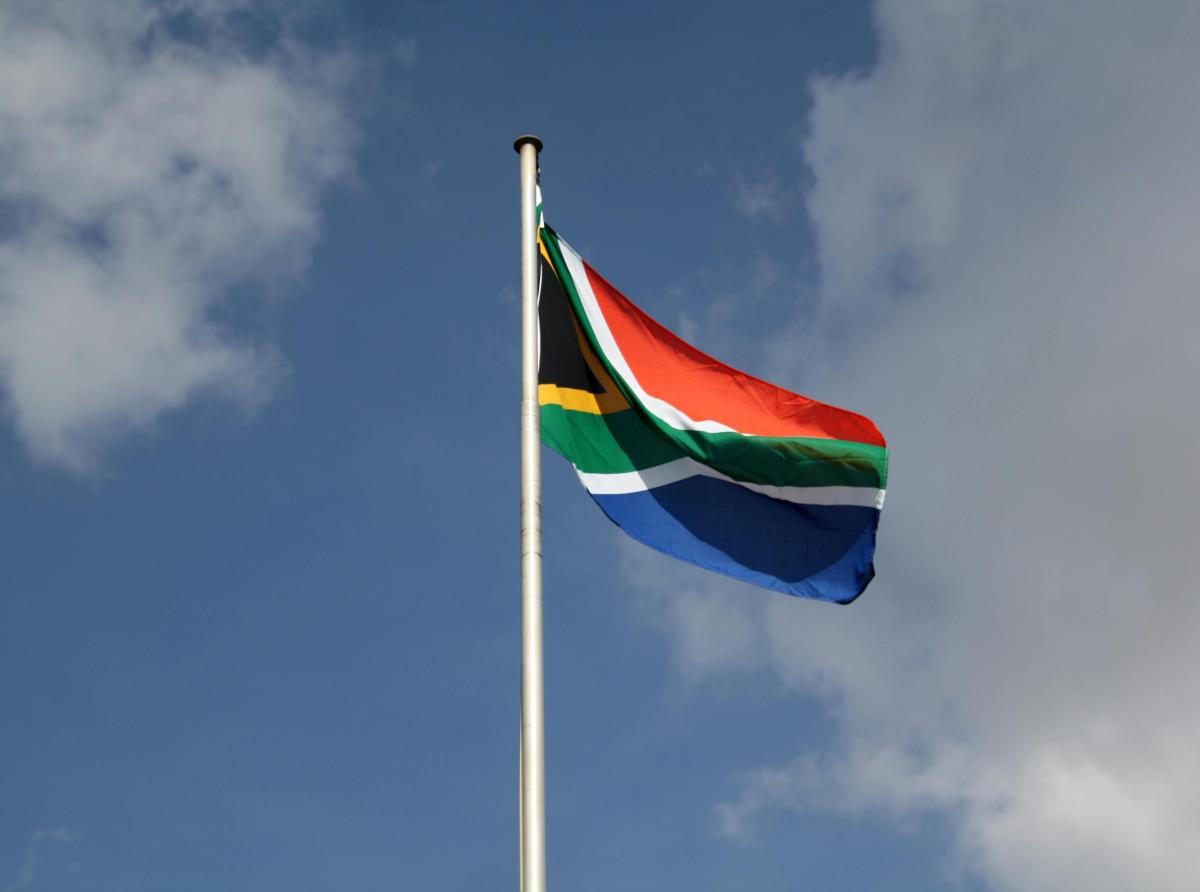
For many South Africans abroad, what started as a routine trip has turned into an anxious scramble to get home.
As tensions escalate across the Middle East, hundreds of South Africans have begun making their way back to the country after regional airspace closures caused widespread travel chaos. The Department of International Relations and Cooperation has urged citizens to leave the region immediately, warning that the conflict could intensify further.
The sudden disruptions left travellers stranded across several cities, particularly in major transit hubs such as Dubai, where many South Africans were waiting for connecting flights back home.
Flights slowly resume after airspace shutdowns
Airspace closures across the Gulf region triggered a major travel crisis in recent days. The restrictions were introduced as a safety precaution after military strikes and retaliatory drone and missile attacks heightened the risk to civilian aircraft.
With missiles and drones active in the region, several countries temporarily closed their skies to commercial flights. The move brought global travel routes through the Middle East to an abrupt halt, leaving thousands of passengers of multiple nationalities stranded.
Now, limited flight operations have begun to resume. Airlines, including Emirates, have restarted services on a reduced schedule while the situation continues to be monitored.
Officials say flight capacity could gradually improve if regional airspace conditions stabilise.
South Africans urged to leave immediately
South Africa’s foreign affairs department has issued a clear message to citizens in the region. Anyone currently in the Middle East is being urged to make use of available flights and leave as soon as possible.
More than 6,400 South Africans have registered their presence in the region through DIRCO’s Travel Smart system, which allows the government to monitor citizens abroad during emergencies.
So far, at least 150 South Africans have already been repatriated. Many of them were part of pilgrimage groups travelling in Jerusalem and were flown out using African carriers such as EgyptAir.
Officials believe more citizens will return in the coming days as flights become available.
Travellers share experiences online
The unfolding situation has sparked posts on social media from travellers navigating the uncertainty.
Media personality Spitch Nzawumbi shared that he managed to secure one of the first flights back to South Africa after the partial reopening of airspace.
He also warned fellow travellers not to rush to the airport without confirmed bookings, explaining that overwhelming demand and cancellations have made the situation unpredictable.
Passengers placed on standby, he advised, should arrive early and travel with manageable luggage to improve their chances of securing a seat.
Other travellers have spoken about the financial impact of the disruption. One South African family travelling from Durban to Amsterdam said they narrowly avoided being stranded when their connecting flight through Dubai was cancelled shortly before the airspace closures intensified.
Looking back, the traveller said the cancellation turned out to be fortunate. Had the family boarded the earlier flight, they may have been stuck in Dubai for days.
The experience also highlighted a concern raised by the traveller, who said unexpected conflict-related disruptions are often not covered by travel insurance, leaving passengers responsible for additional costs.
Rising tensions driving the crisis
The travel disruptions stem from rapidly escalating tensions between the United States, Israel, and Iran.
Military strikes and retaliatory attacks have pushed the region into heightened instability. The situation intensified further after statements from United States President Donald Trump suggested a potential expansion of military action.
Iran’s leadership has rejected calls for surrender and has signalled that it will defend its sovereignty.
According to Iran’s health ministry, more than 1,332 people have been killed in airstrikes since the military campaign began. Among the reported casualties are roughly 200 children.
The conflict continues to evolve, raising concerns about further disruptions across global travel routes.
A tense journey home
For South Africans caught in the middle of the unfolding crisis, the priority now is simply getting home safely.
With limited flights gradually reopening and airlines working to clear the backlog of passengers, many travellers are watching departure boards closely and hoping their next flight will be the one that finally takes them home.
In moments like these, international headlines quickly become deeply personal. For the South Africans waiting in airport terminals across the Middle East, the journey home has become far more than just another flight.
Follow Joburg ETC on Facebook, Twitter, TikT
For more News in Johannesburg, visit joburgetc.com
Source: IOL
Featured Image: Journal News