News
Stats SA report reveals deepening poverty among SA’s marginalised groups
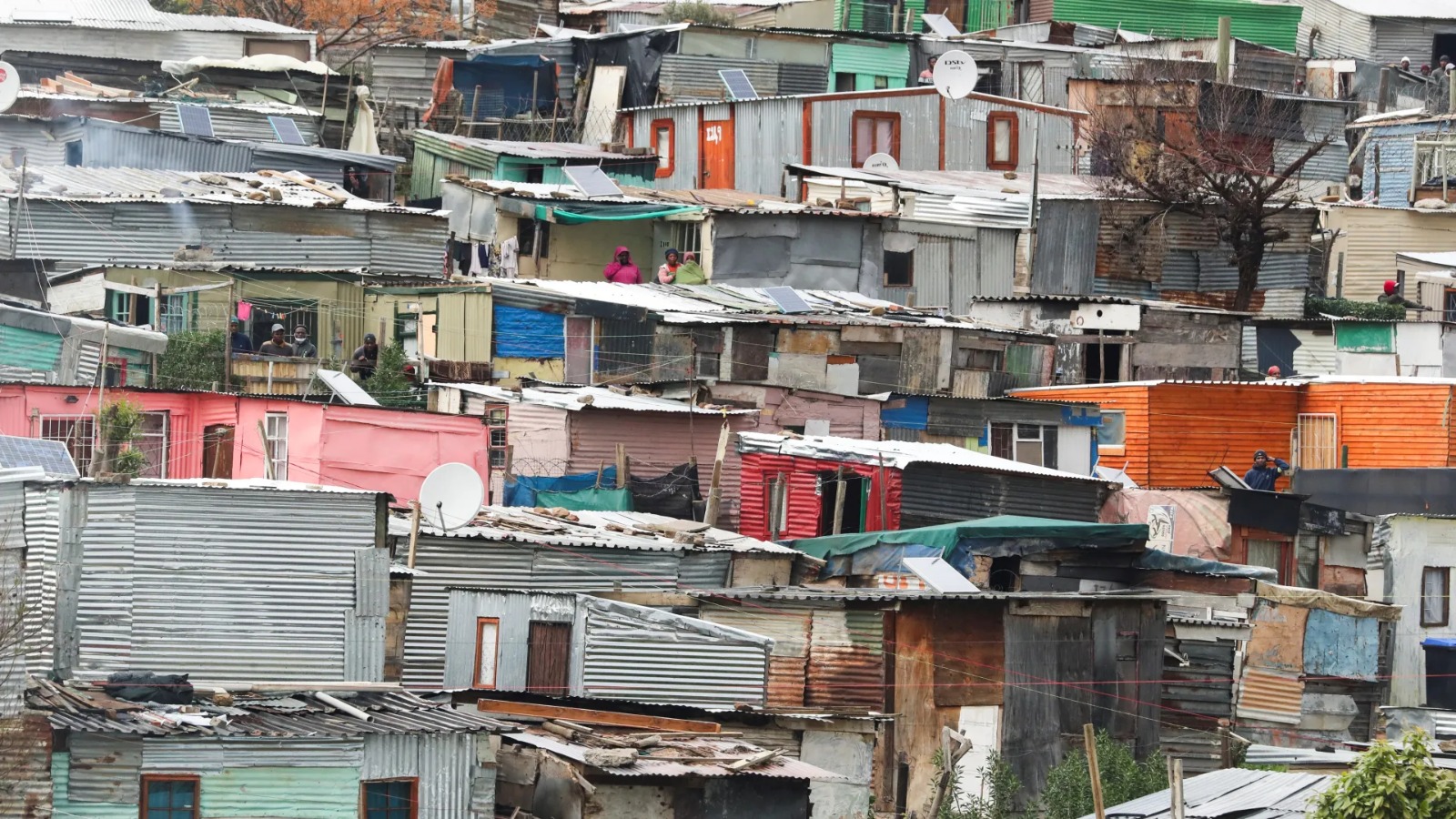
South Africa likes to call itself a young and resilient nation. But beneath the headlines about growth plans and recovery strategies, millions remain trapped in cycles of poverty, hunger and exclusion.
The latest Marginalised Groups Indicator Report for 2024 from Statistics South Africa paints a sobering picture. Compiled under Statistician General Risenga Maluleke, the report tracks the lived realities of five vulnerable groups: children, youth, women, older persons and people with disabilities. The findings draw from national surveys, including the General Household Survey and the Quarterly Labour Force Survey.
At its heart, the message is clear. These groups face a higher risk of poverty and social exclusion than the broader population. And without focused policy action, the gap will continue to widen.
Childhood shaped by grants and fragile households
South Africa had around 21 million children aged 17 and younger in 2024. That is a third of the population.
Yet nearly half of these children live with only their mother. Almost one in five live with neither parent. The data shows that 7.4 percent are paternal orphans and 1.5 percent are double orphans. These numbers reflect household instability that shapes children’s daily lives.
Economic pressure is constant. Nearly 69 percent of children benefit from social grants. About 30.6 percent live in households where no adult is employed. In the Eastern Cape, that figure climbs to almost half.
Hunger remains a harsh reality. Nationally, 16.3 percent of children live in households that experience food insecurity. The situation is worse in provinces such as the Northern Cape and KwaZulu-Natal. Children outside metropolitan areas are more likely to go hungry than those in cities.
There is one bright spot. School attendance among children of compulsory age stands at 98.6 percent. But even here, cracks appear. Some children aged 7 to 17 are not attending because their families cannot afford fees, while others report being satisfied with their current level of education and not continuing.
A generation waiting for work
Young people aged 15 to 34 make up over a third of the country. South Africa is demographically young, yet opportunity has not kept pace.
The youth unemployment rate reached 45.5 percent in 2024. Labour force participation remains just above 50 percent. For many families, this means graduates at home, job seekers sending endless CVs, and rising frustration.
Young women carry a heavier burden. Nearly 45.6 percent are not in employment, education or training, compared to 37.6 percent of young men.
Food insecurity affects 15.7 percent of youth households, rising sharply in provinces such as the Northern Cape. Safety is another concern. Almost 18 percent of young people feel unsafe walking alone during the day. At night, the fear intensifies, particularly in Mpumalanga and Gauteng.
On social media, youth unemployment continues to trend as one of the country’s most pressing issues. The report confirms what many young South Africans already know from lived experience.
Women leading households but facing inequality
Women head 42.4 percent of households in South Africa. In provinces like the Eastern Cape and Mpumalanga, nearly half of all households are led by women.
Yet leadership does not shield them from hardship. Female-headed households are more likely to experience hunger than male-headed households.
The female unemployment rate stands at 34.4 percent nationally, with higher figures recorded in provinces such as North West and the Free State. Women living outside metropolitan areas face even steeper employment challenges.
Access to medical aid is limited. Only 15.8 percent of women have coverage, with Limpopo recording the lowest levels. Safety also weighs heavily. One in five women feels unsafe walking alone during the day. At night, two-thirds report feeling unsafe.
These realities sit at the centre of ongoing national conversations about gender inequality and economic inclusion.
Growing older on grants
South Africans aged 60 and above number about 5.5 million, representing 9 percent of the population. Women make up nearly 60 percent of this group.
For many older persons, social grants are the primary source of income. Salaries and wages account for less than a quarter of household income among this age group.
Chronic illness affects 60 percent of older persons. Only 21.9 percent have access to medical aid, with stark disparities between population groups. Hunger affects 11 percent of older persons’ households.
Despite a lifetime of work, many older South Africans face economic insecurity in their later years.
Disability and education gaps
About 6 percent of South Africans reported living with a disability, according to Census 2022 data reflected in the 2024 report. The Eastern Cape and Free State record the highest provincial rates. Gauteng has the lowest.
Women are more likely to report living with a disability than men. The prevalence increases significantly with age, with over 43 percent of those aged 75 and older living with a disability.
Education outcomes reveal further inequality. Among people with disabilities aged 25 and older, many have only some secondary schooling. Nearly 18 percent have no schooling at all. Black Africans with disabilities are more likely to have lower levels of education compared to white persons with disabilities, who are more likely to have matric or higher qualifications.
A report that demands action
The Marginalised Groups Indicator Report does more than present statistics. It highlights where policy planning and resource allocation need urgent focus.
Behind every percentage is a real story. A child relying on a grant to eat. A graduate waiting for a first job. A grandmother surviving on a pension. A woman heading a household against the odds.
South Africa cannot afford to leave these millions behind.
Follow Joburg ETC on Facebook, Twitter, TikT
For more News in Johannesburg, visit joburgetc.com
Source: The Citizen
Featured Image: Al Jazeera