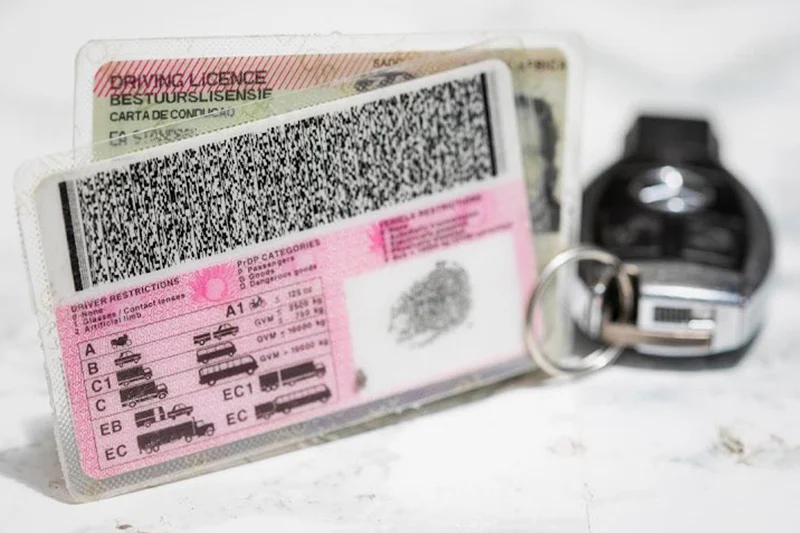
After years of public frustration, endless queues, and last-minute panic, a significant reprieve is finally on the horizon for South African motorists. The Department of Transport has confirmed the country is “definitely” moving to an eight-year validity period for ordinary driving licence cards, effectively signalling the end of the much-loathed five-year renewal cycle.
Director-General Mathabatha Mokonyama broke the news to Parliament, stating, “Our analysis and assessment is that South Africans do favour a longer period. They don’t want to come back to us every five years.” This aligns with Transport Minister Barbara Creecy’s recent support for the extension, which she described as “the right move.”
A Staggered Approach: Eight Years for Most, Two for Professionals
The new system won’t be a one-size-fits-all. Minister Creecy clarified that a differentiated model is being considered. Professional driversthose operating heavy vehicles or transporting passengerswould likely still renew every two years due to the higher risk profile. For the vast majority of “ordinary citizens,” however, the eight-year card will become the new standard.
The Sticking Point: Money and Missed Deadlines
The shift isn’t without complications. The Driving Licence Card Account (DLCA), the state entity that prints the cards, relies on renewal fees for revenue. Extending the validity period by three years will significantly impact its income. Minister Creecy has explicitly tasked her department with conducting a thorough cost-benefit analysis to understand these financial implications before a final decision is cemented.
Furthermore, the department’s own implementation timeline appears to be lagging. Its Annual Performance Plan outlined a strict schedule, including a public comment period in the Government Gazette by the end of September 2025. That deadline has passed with no such notice published, raising questions about the process’s transparency and the final tabling of the proposal in Parliament by March 2026.
What This Means for You
For the average driver, this change promises more convenience, less admin, and significant savings on renewal fees over a lifetime. It’s a direct response to years of public outcry over inefficient licensing systems and the stressful, time-consuming renewal process.
While the “definitely” from the DG offers strong assurance, motorists should note that the formal regulatory processpublic consultation, parliamentary approval, and system updatesstill needs to run its course. The end of the five-year card is in sight, but the eight-year era hasn’t officially begun just yet. For now, it’s a case of watch this space, but with more hope than ever before.