News
TRC inquiry moves ahead as Zuma and Mbeki fail to block Justice Khampepe
TRC inquiry moves ahead as Zuma and Mbeki fail to block Justice Khampepe
After years of waiting, frustration and unanswered questions, South Africa’s long-anticipated Truth and Reconciliation Commission (TRC) inquiry is finally set to begin, despite last-minute legal resistance from two former presidents.
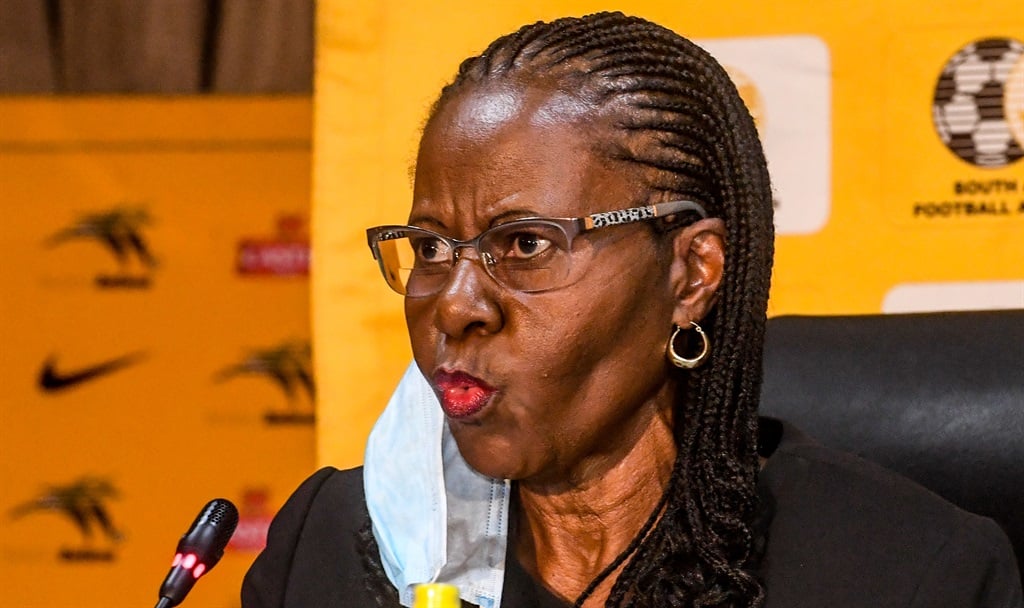
Former presidents Jacob Zuma and Thabo Mbeki have failed in their bid to have retired Constitutional Court justice Sisi Khampepe removed as chair of the judicial commission investigating whether efforts were made to block the investigation or prosecution of apartheid-era crimes. With that application dismissed, the inquiry is now expected to get underway later this month.
For families who have spent decades seeking accountability, this moment carries heavy emotional and historical weight.
Why this inquiry matters now
The commission was appointed by President Cyril Ramaphosa last year after mounting pressure from families of apartheid victims. Around 23 families took the extraordinary step of suing the president for R167 million, arguing that the state failed to act on TRC recommendations and allowed politically sensitive cases to stall for years.
At the heart of the inquiry is a deeply uncomfortable question: who interfered and why when the country was meant to confront the worst crimes of its past?
Zuma and Mbeki’s objection falls short
Zuma and Mbeki attempted to halt proceedings by arguing that Justice Khampepe had a conflict of interest. Their legal teams pointed to her previous roles on the TRC Amnesty Committee and later as Deputy National Director of Public Prosecutions under former NDPP Bulelani Ngcuka.
According to their argument, these positions compromised her ability to preside impartially over an inquiry tied to unresolved TRC cases. The court disagreed, clearing the way for hearings to proceed.
While both former presidents are reportedly reviewing the ruling and considering further legal steps, the commission will continue unless a court orders otherwise.
Hearings set for February
TRC spokesperson Lionel Adendorf confirmed that the commission is ready to begin hearing oral evidence from Wednesday, 11 February 2026. All affected and interested parties present at the most recent pre-hearing consultation agreed to the timetable.
This means that, for the first time in years, witnesses may publicly testify about alleged political interference in cases involving apartheid-era atrocities.
Public reaction: “About time”
On social media, the response has been swift and emotional. Many South Africans have welcomed the development, calling it “long overdue” and questioning why accountability around TRC cases has taken nearly three decades.
Others remain sceptical, worried that further legal manoeuvres could delay the process yet again. Still, there is a growing sense that the country may finally be approaching a reckoning it has postponed for far too long.
A test for South Africa’s democracy
Beyond individual names and legal arguments, this inquiry speaks to a broader issue: whether South Africa is willing to fully confront unfinished business from its transition to democracy.
As the hearings begin, the spotlight will not only be on past leaders, but on the strength of the country’s institutions and whether justice delayed can still become justice delivered.
{Source: The Citizen}
Follow Joburg ETC on Facebook, Twitter , TikTok and Instagram
For more News in Johannesburg, visit joburgetc.com