News
The Caller-ID Giant in the Hot Seat: Unpacking the Truecaller Probe
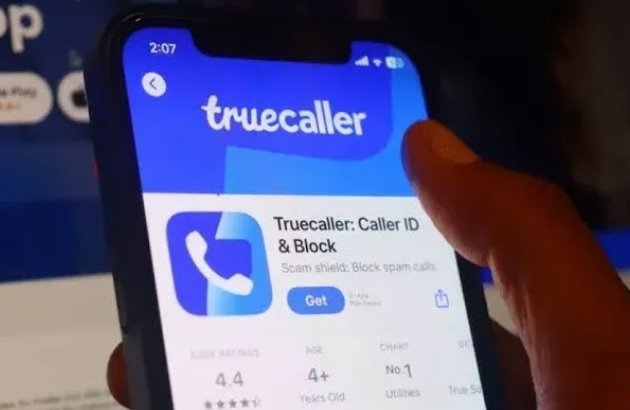
The familiar screen that tells you who’s callingand more importantly, who to avoidis itself being scrutinised. Truecaller, the ubiquitous caller identification app, remains under active investigation by South Africa’s Information Regulator, the country’s privacy watchdog. This confirmation comes after the regulator’s recent public update made no mention of the probe, sparking questions about its status.
The investigation stems from complaints lodged in June 2025 by a group of businesses and individuals. Their core grievance? That Truecaller’s spam-labelling system damages commercial reputations and that the company effectively charges a fee to be “whitelisted” through its verified business services. The regulator, tasked with enforcing the Protection of Personal Information Act (POPIA), is now digging into these claims.
The Spam Labelling Dilemma: A Pay-to-Play Fix?
Truecaller firmly rejects the allegation of a pay-to-remove-spam scheme. A company spokesperson explained to MyBroadband that even businesses paying for its enterprise subscriptions aren’t immune to user-generated spam reports. “We don’t have control over that,” they stated, comparing their verification service to the paid “blue ticks” on social media platforms. They clarified that a verified business (green call screen) or priority call (purple screen) will still display a spam label if users report the number.
The Deeper Privacy Question: What About Non-Users?
Beyond spam labels, a more fundamental legal question looms: does Truecaller’s model comply with POPIA, especially regarding non-users? The app famously works by building a crowdsourced directory, but what about people who never signed up?
Legal experts highlight the risk. “The main risk stems from the fact that Truecaller uses personal information of non-users without directly notifying them,” said Lucinda Botes, a senior associate at Phukubje Pierce Masithela Attorneys. POPIA generally requires organisations to inform individuals how their data is collected and used.
Truecaller counters that there’s a misconception. It claims that while it requests access to a user’s contacts, it does not upload these lists to its servers. Instead, it uses the access for a local, milliseconds-fast check to see if an incoming number is already in the recipient’s address book. If it’s unknown, then it checks its database.
Experts suggest Truecaller could argue that notifying every non-user is impractical and that its “unlisting” feature mitigates prejudice. However, the regulator will determine if this satisfies POPIA’s “openness” requirements.
For now, South African businesses frustrated by red “spam” labels and privacy advocates concerned about silent data inclusion will be watching closely. The Information Regulator has stated it will issue a public update once its investigation concludes, a ruling that could set a significant precedent for how global tech platforms operate within South Africa’s data privacy framework. The verdict could redefine the rules of the call.
{Source: MyBroadband}
Follow Joburg ETC on Facebook, Twitter , TikTok and Instagram
For more News in Johannesburg, visit joburgetc.com