When Power Stops Asking Permission
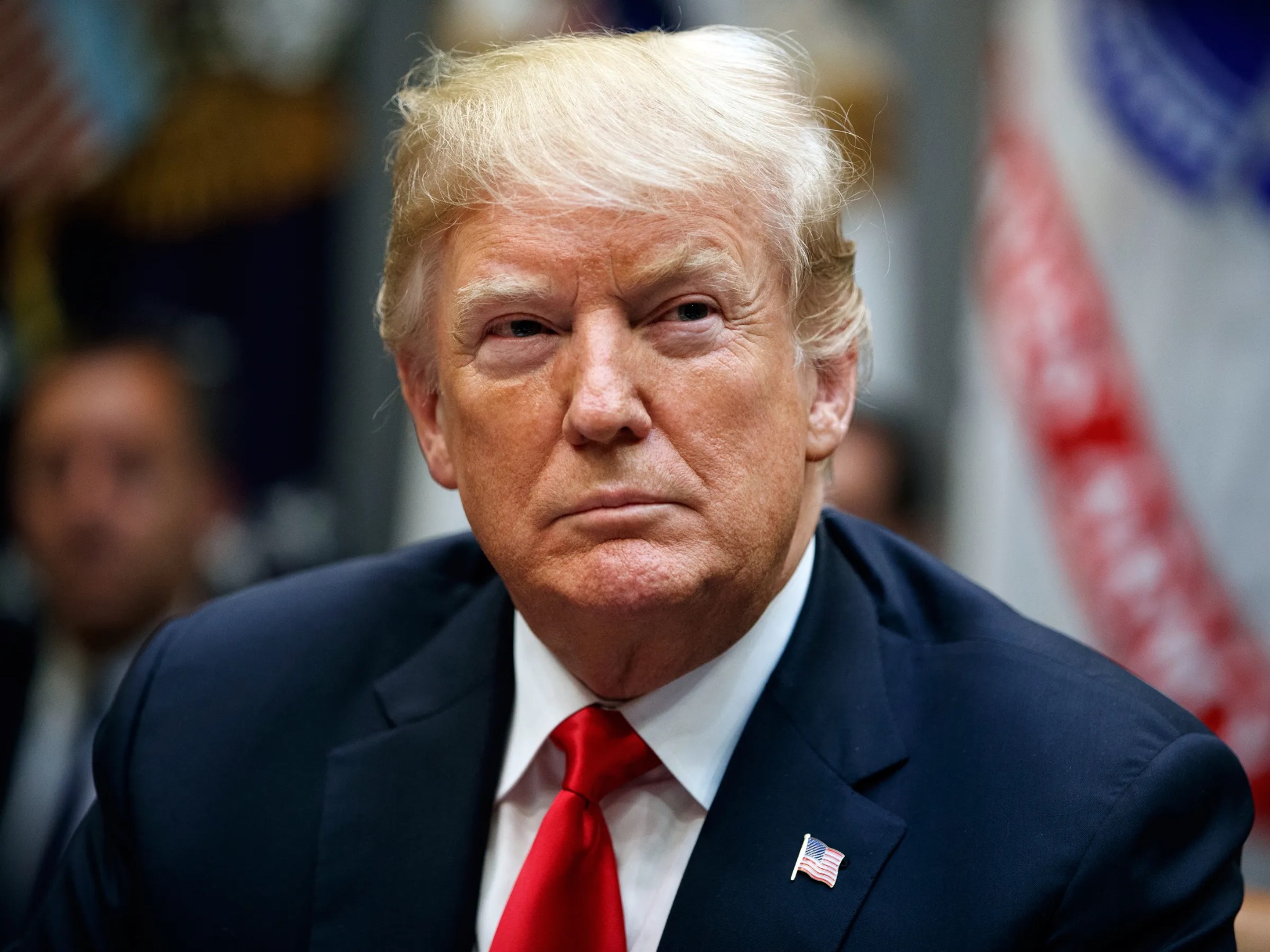
The new year has opened with a nervous laugh travelling around global political circles. A cartoon making the rounds shows Donald Trump in bed, scribbling a New Year’s wish list that includes taking Venezuela, eyeing Greenland and Canada, triggering global conflict, and somehow still collecting a Nobel Peace Prize.
It is meant to be satire. Yet for many observers, it no longer feels far removed from reality.
The concern is not just about controversial statements or abrasive diplomacy. It is about what happens when a single executive office wields enormous power with few immediate consequences, and how unprepared the global system appears to be when that power is used aggressively.
Executive Power Without Guardrails
Business Day columnist and former South African Post Office CEO Mark Barnes argues that the world is watching something unusual and unsettling. The modern US presidency has always been powerful, but executive orders now allow decisions that ripple across borders almost instantly.
In theory, democratic institutions, courts, international law and global bodies should slow or correct excesses. In practice, Barnes believes they are lagging behind events. Executive decisions are being made faster than systems designed to restrain them can respond.
The most meaningful check, he suggests, may ultimately come from American voters. But elections are distant, while the consequences of today’s decisions are immediate.
Oil, Economics And Old-Style Power
Pushback is growing, but it is no longer limited to smaller nations or diplomatic protests. Major powers and institutions, including the United Nations Security Council, are beginning to resist more openly.
This confrontation, Barnes argues, is not about tone or manners. It is about resources, trade and strategic dominance. Oil, economic leverage and military force are once again central tools of influence.
The danger lies in a return to something the world believed it had outgrown. Territory, force and economic muscle deciding outcomes, rather than shared rules or negotiated agreements. Barnes describes it as a revival of imperial thinking, where might increasingly defines what is permissible.
When The System Breaks Its Own Rules
There is a sharp contradiction at the heart of the current moment. International systems exist to punish bad behaviour and protect sovereignty. Yet in attempting to enforce order, those same systems sometimes stretch or violate the very principles they claim to defend.
Tariffs imposed without warning, abrupt policy shifts and what Barnes calls one person initiatives are already setting the stage for retaliation. History suggests that economic and political pushback rarely arrives quietly. When it comes, it tends to arrive hard and with lasting consequences.
Cracks Inside The United States
Resistance is not only external. Within the US, divisions are becoming more visible. Senators from Trump’s own party have joined Democrats to argue that further military action, particularly involving Venezuela, must be approved by Congress.
While the president may choose to ignore such moves, they signal a widening gap between Trump and all but his most loyal supporters. Barnes believes credibility is the long-term problem. Even popular actions lose impact when surrounded by what critics see as repeated misconduct and institutional strain.
When Truth Loses Its Grip
Perhaps the most worrying shift is how quickly official narratives now form and harden. A recent fatal shooting of a Minnesota resident by US immigration officers exposed how rapidly political figures can define events before investigations are complete.
Video evidence reportedly contradicted claims made by officials, yet the initial narrative spread faster than facts could catch up. Barnes warns that when volume overtakes evidence, truth becomes fragile. The loudest version of events often sticks, regardless of accuracy.
A Fragile Global Moment
The world may eventually reach a breaking point. What happens after that remains uncertain. It could produce renewed cooperation and restraint, or deepen division and confrontation.
For now, the global order looks strained. Personal power is rising, institutions appear slower and weaker, and respect for shared rules is eroding. Barnes’s warning is clear. When unchecked authority, blurred truth and fragile systems collide, the consequences rarely stay contained.
{Source:EWN}
Follow Joburg ETC on Facebook, Twitter , TikTok and Instagram
For more News in Johannesburg, visit joburgetc.com