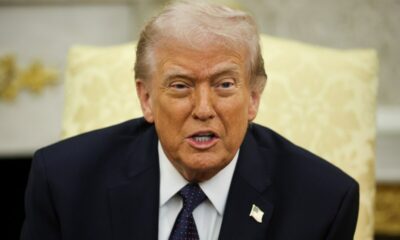
A routine diplomatic exchange in Washington took an unexpected turn this week when US President Donald Trump referenced one of the most painful chapters in American history, catching Japan’s prime minister off guard in the process.
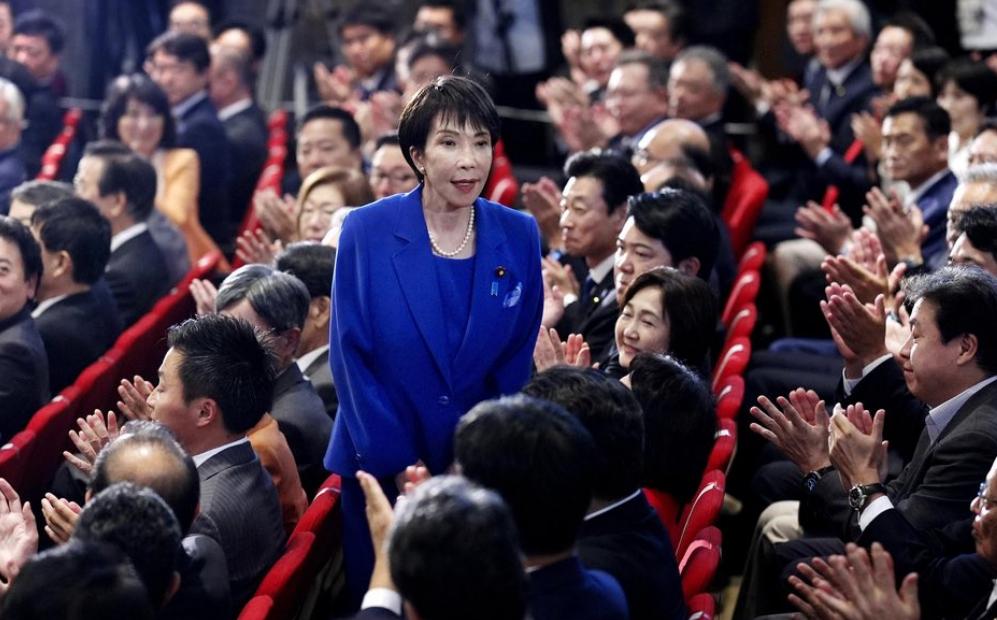
Speaking from the Oval Office, Trump defended his administration’s decision to keep allies in the dark ahead of recent military strikes on Iran. But it was a remark directed at Japanese Prime Minister Sanae Takaichi that quickly shifted the tone of the moment.
A Joke That Landed Awkwardly
Pressed on why key partners were not informed before the strikes, Trump leaned into the element of surprise as a military strategy. Then, turning to Takaichi, he made a pointed reference to Japan’s 1941 attack on Pearl Harbor.
The comment appeared to leave the Japanese leader visibly uncomfortable. While she maintained composure and chose not to respond, the remark lingered as one of the more striking moments of the briefing.
Pearl Harbor remains a deeply sensitive subject in US history. The attack killed more than 2,400 Americans and prompted the United States to enter World War II, ultimately reshaping global politics for decades.
Historical Weight Behind The Moment
Trump’s reference was not just a passing joke. It touched on an event that continues to define US-Japan relations, even as the two nations have since built one of the world’s strongest alliances.
After the war, Japan underwent a period of US occupation until 1952, followed by decades of close economic and military cooperation. Today, the relationship is often seen as a cornerstone of stability in the Asia-Pacific region.
That context made the remark all the more surprising, particularly during a discussion centred on modern-day military strategy and cooperation.
Iran Strikes Spark Global Friction
The exchange comes against the backdrop of escalating tensions in the Middle East. The US and Israel recently carried out coordinated strikes on Iran, a move that disrupted global energy markets and raised fears of wider conflict.
Reports suggest that even long-standing allies were only informed hours before the operation began. This lack of communication has reportedly frustrated several countries, particularly in the Gulf, which have since faced retaliatory threats.
Trump has defended the decision, arguing that secrecy was essential to the mission’s success.
NATO Divisions Begin To Show
Beyond the Middle East, the fallout is also exposing cracks within NATO. European leaders have made it clear they are hesitant to become directly involved in the Iran conflict.
Germany’s defence leadership has openly stated that the situation is not Europe’s fight, while EU officials have indicated there is little appetite for deeper military engagement.
Trump, however, has warned that this reluctance could have long-term consequences for the alliance, describing the situation as a test of NATO’s commitment to the United States.
Diplomatic Praise Amid Tension
Despite the awkward moment, Trump went on to speak positively about Takaichi, describing her as impressive and highlighting Japan’s support for US efforts related to the Iran situation.
Details of that support remain unclear, but the broader message was one of continued partnership, even as the tone of the conversation briefly shifted.
A Moment That Reflects A Bigger Picture
In many ways, the Pearl Harbor remark was more than just an offhand comment. It highlighted the delicate balance of modern diplomacy, where historical memory, current conflict, and political messaging often collide in real time.
For observers, it served as a reminder that even in carefully managed diplomatic settings, a single sentence can reshape the narrative.