News
New Trump Security Strategy Signals U.S. Pivot Away From Global Policeman Role
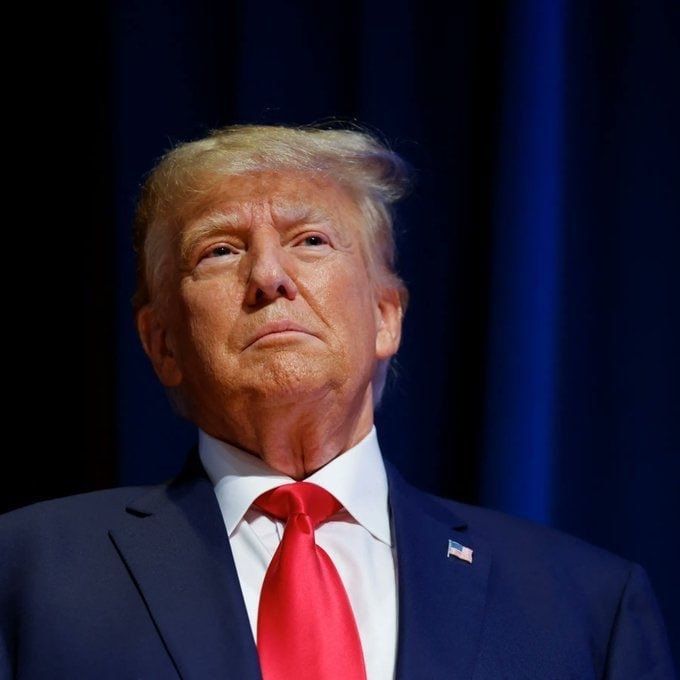
US to Step Back from Global Policeman Role, Trump Doctrine Aims for Regional Dominance Instead
The United States is preparing to redraw its place in the world, not quietly, but with a bold policy paper stamped with President Donald Trump’s unmistakable America First tone. In a long-awaited national security document released on Friday, the administration announced a historic shift away from Washington’s traditional global leadership, signalling a future where the U.S. prioritises influence close to home rather than playing referee across the world.
This strategy is more than bureaucratic language, it’s a new posture, one suggesting that America is no longer interested in carrying the weight of the world on its shoulders.
From World Leader to Hemisphere Power
For decades, U.S. strategy has centred on maintaining global dominance, often with eyes firmly on Asia and the Indo-Pacific. But this document flips the map. While China still appears as a key competitor, the new focus leans firmly toward Latin America, migration control, drug trafficking crackdowns, and resource influence at the centre of attention.
The strategy speaks of a “Trump Corollary” to the Monroe Doctrine, evoking a 200-year-old policy that warned European powers to keep out of the Americas. Now resurrected, it paints an image of Washington reclaiming the Western Hemisphere as its priority not the world.
Think of it as the U.S. choosing to tend its own backyard first.
Europe Comes Under Unusually Harsh Criticism
In a striking departure from diplomatic politeness, the document takes aim at Europe, openly criticising EU institutions, immigration policies, and what it describes as eroding national identity on the continent.
The report warns of strife created by migration, declining birth rates, and loss of sovereignty themes that mirror Trump-era rhetoric at home and abroad.
For longtime NATO allies, this blunt tone may sting. Online, analysts and commentators are already split some arguing America can’t isolate itself without weakening influence, others saying a reset is overdue after decades of “overcommitting” abroad.
No Longer the World’s Police, But Still a Watchdog
Perhaps the most surprising line in the document is the rejection of global domination, a concept historically associated with American power projection. The U.S. won’t try to control the world, it says, but it also won’t allow anyone else to.
It’s a strategic middle ground: less global intervention, more selective engagement.
A shrinking global footprint, but not retreat.
Instead, U.S. military deployment will be recalibrated, drawn back from regions deemed less vital, and moved closer to what the document calls “urgent threats in our hemisphere.”
Translation: fewer wars halfway across the world, more focus on the Americas.
A New Chapter in U.S. Identity?
Whether one sees it as retreat, restraint or refocus depends on who you ask.
-
Critics worry the move could leave power vacuums, particularly in Asia and Europe.
-
Supporters argue America has spent decades policing the world at great cost, and a regional-first strategy may rebuild domestic strength.
What is clear is that this marks one of the biggest rhetorical shifts in U.S. strategy in years, aligning policy firmly with the nationalist tone that defined Trump’s presidency.
A superpower stepping back, but not stepping down.
As the global landscape shifts, governments from Brussels to Beijing will now be reading this document line by line, searching for what it means for them. And in Latin America, where U.S. influence is set to intensify, the ripple effects may be felt the fastest.
The world may not see America everywhere, but it will definitely feel it next door.
{Source: IOL}
Follow Joburg ETC on Facebook, Twitter , TikTok and Instagram
For more News in Johannesburg, visit joburgetc.com