News
Trump’s 48-hour ultimatum rattles oil markets and sends shockwaves to South Africa
Trump’s 48-hour ultimatum rattles oil markets and sends shockwaves to South Africa

When global politics heats up, South Africans often feel it in the most familiar place, the petrol pump.
This week, a fresh warning from Donald Trump has done exactly that, sending tremors through financial markets and raising fresh concerns about fuel prices back home.
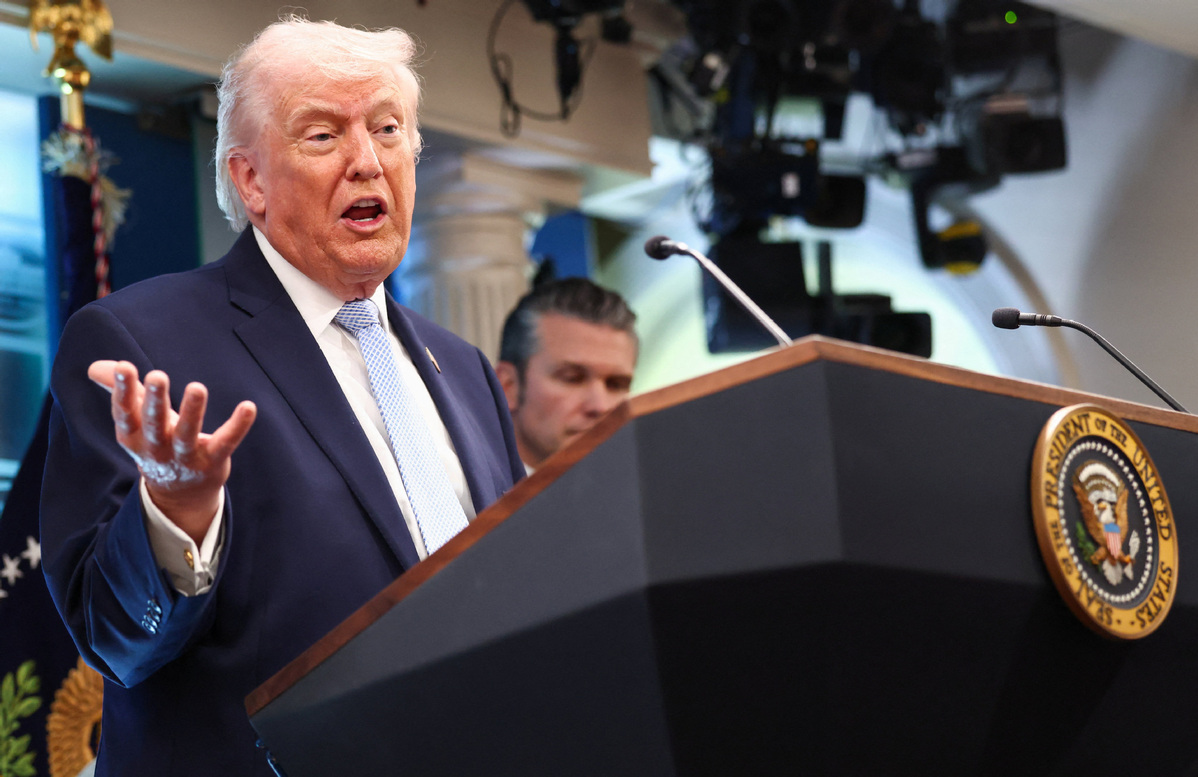
The US president has issued a 48-hour deadline for the reopening of the Strait of Hormuz, one of the world’s most critical oil routes. And with tensions already high in the region, investors are bracing for what could come next.
Why the Strait of Hormuz matters so much
The Strait of Hormuz might seem distant, but its importance is global.
A significant portion of the world’s oil supply passes through this narrow waterway. Any disruptionwhether political or militarycan quickly send prices climbing.
That’s exactly what’s happening now.
Oil prices have already begun to rise, with Brent crude climbing above $111 per barrel, reflecting growing anxiety in global energy markets.
Markets react: caution replaces confidence
Trump’s renewed hardline stance follows a weekend of mixed messaging from the White House, which had left markets uncertain.
Now, with a firm deadline in place, the mood has shifted.
Across the globe, markets are showing signs of caution:
- Japan’s Nikkei index dipped slightly
- The broader Asia-Pacific index edged up modestly
- US futures turned negative, with the S&P 500 pointing lower
It’s a classic risk-off environmentinvestors pulling back as uncertainty rises.
What it means for South Africa
For South Africans, global oil shocks are never just headlinesthey’re household realities.
South Africa imports much of its fuel, which means international price movements feed directly into local petrol and diesel costs.
The rand has already shown signs of strain. After briefly holding steady, it weakened as global risks escalated, slipping against major currencies.
That matters because a weaker rand makes fuel imports even more expensiveadding pressure to an already stretched cost of living.
Social media reaction: “Here we go again”
Online, South Africans are connecting the dots quickly.
Many are already anticipating higher fuel prices, with some joking (and not entirely joking) about bracing for the next petrol hike.
“Every time there’s tension overseas, we pay for it here,” one user posted.
“Fuel price increase loading…” another added.
There’s a growing awareness that global conflictsno matter how far awayhave very real local consequences.
Safe havens and shifting signals
Interestingly, not all traditional “safe” assets are behaving as expected.
Gold prices have dipped slightly, while the US dollar has strengthened, with the dollar index pushing above 100.
This suggests investors are navigating a complex environmentbalancing fear with confidence in certain parts of the global economy.
What’s coming next
Markets aren’t just watching the Strait of Hormuz.
There’s also major economic data on the horizon in the United States, including Federal Reserve meeting minutes and inflation figures. These could provide further clues about how deeply global tensions are affecting everyday costs.
For now, though, the focus remains on that 48-hour windowand whether the situation escalates or stabilises.
The bigger picture: a world more connected than ever
This moment is a reminder of how tightly connected the global economy has become.
A political decision in Washington, tensions in the Middle East, and suddenly the ripple effect reaches Johannesburg, Cape Town, and beyond.
For South Africans already dealing with rising living costs, the concern isn’t just about marketsit’s about what happens next at the fuel pump, in grocery stores, and across the economy.
Because when oil prices move, everything else tends to follow.
{Source: IOL}
Follow Joburg ETC on Facebook, Twitter , TikTok and Instagram
For more News in Johannesburg, visit joburgetc.com