News
Oil, Power and Pressure: Why Trump Is Calling Big Oil to the White House After Venezuela Shock
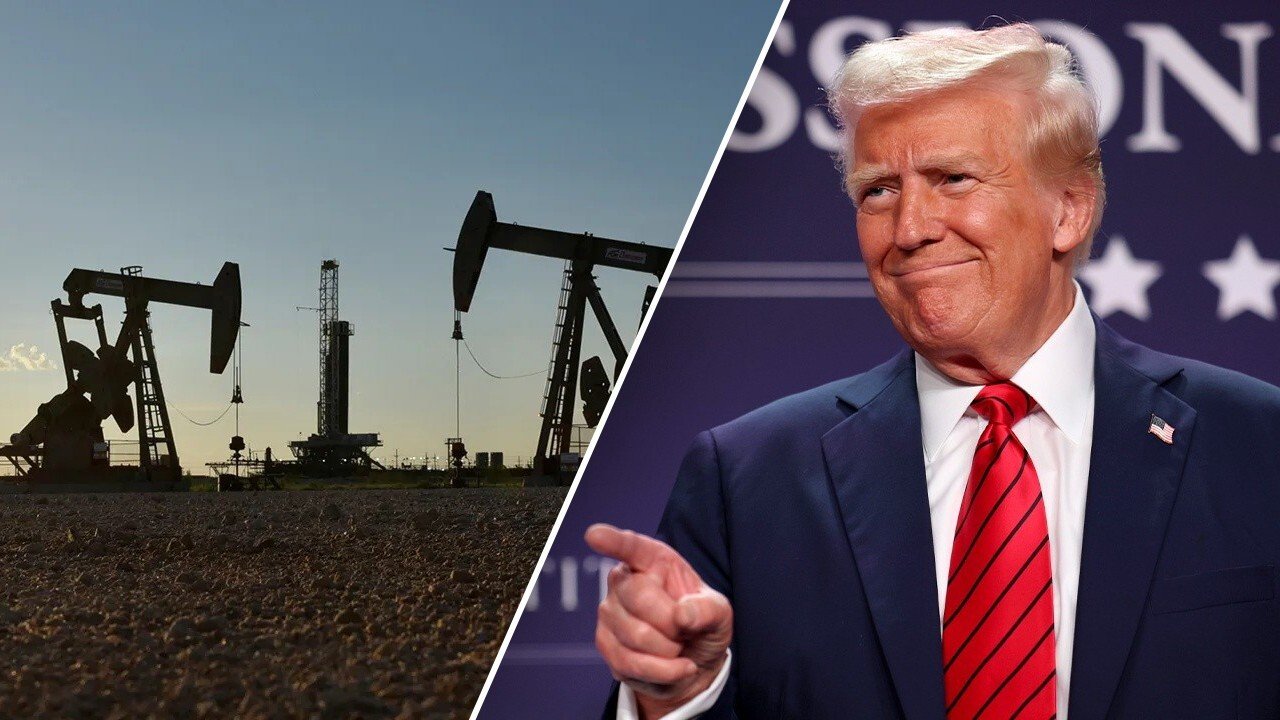
Oil, Power and Pressure: Why Trump Is Calling Big Oil to the White House After Venezuela Shock
In a move that has stunned global markets and reignited geopolitical tension, US President Donald Trump is set to host America’s biggest oil executives at the White House just days after US forces seized Venezuelan President Nicolás Maduro in a dramatic military operation.
At the heart of the talks and the controversy is one thing: oil.
Trump has made little effort to soften the message. Venezuela’s vast energy reserves, he says, are now firmly in Washington’s sights.
A Meeting That Signals a Shift
The White House confirmed that Trump will meet senior leaders from major US oil companies on Friday, with NBC News reporting that Exxon Mobil, Chevron and ConocoPhillips are among those expected to attend.
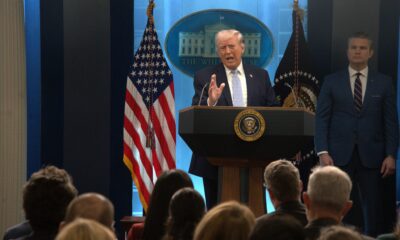
“We’re meeting tomorrow with all of the big oil executives,” Trump said in an interview broadcast on Fox News. “They’re going to be right here in the White House.”
According to White House Press Secretary Karoline Leavitt, the administration believes it currently holds “maximum leverage” over Venezuela’s interim authorities leverage Trump wants the private sector to help turn into long-term control of the country’s oil industry.
Venezuela’s Oil: A Prize Decades in the Making
Venezuela holds around 20% of the world’s known oil reserves, yet years of sanctions, underinvestment and political turmoil have reduced its output to about 1% of global production in 2024, according to OPEC.
Once a key supplier to the US, the country’s oil sector has been crippled since Washington imposed sanctions in 2019, sanctions that Trump himself introduced during his first term as part of a strategy to economically isolate Caracas.
Now, Trump sees Venezuela’s struggling oil fields as both a geopolitical asset and a domestic political opportunity, particularly as fuel prices remain a sensitive issue for American voters.
“Controlled by Me”: Trump’s Unusual Claim
Earlier this week, Trump went further than any US president before him, claiming that between 30 and 50 million barrels of Venezuelan oil would be handed over to the United States, with proceeds “controlled by me”.
Posting on his Truth Social platform, Trump said the money would be used to benefit both Americans and Venezuelans, adding that Venezuela would only be allowed to spend the proceeds on US-made products.
The statement has drawn sharp reactions online, with critics questioning the legality and precedent of a US president directly controlling foreign oil revenues.
Big Oil’s Dilemma
While the White House is pitching Venezuela as an “immense opportunity”, oil executives are likely to approach the talks with caution.
Only Chevron currently holds a licence to operate in Venezuela. Exxon Mobil and ConocoPhillips left in 2007 after refusing then-president Hugo Chávez’s demand that foreign firms surrender majority ownership to the state.
Beyond politics, the challenges are practical. Venezuela’s oil is heavy and difficult to refine, infrastructure is badly degraded, and restoring production to historic levels would require tens of billions of dollars and years of work.
Even US Energy Secretary Chris Wright, who is bullish about ramping up output, has acknowledged the scale of investment needed.
Sanctions, Strategy and a New Energy Order
The Trump administration says it is now “selectively rolling back sanctions” to allow Venezuelan crude back onto global markets. The US Department of Energy is planning to ship lighter American oil to blend with Venezuela’s thick crude, while also authorising equipment and technical experts to upgrade facilities.
Washington has also signalled that it wants US companies embedded in Venezuela for the long haul a stark reversal from years of isolation.
Global Reaction and What Comes Next
Internationally, the developments have triggered alarm and debate. Supporters argue the move could stabilise energy markets and weaken rival powers. Critics warn it risks setting a dangerous precedent for resource control through military force.
For South Africans and other Global South observers, the situation echoes long-standing concerns about resource sovereignty, foreign intervention and the power imbalance between energy-rich nations and global superpowers.
As Trump brings Big Oil into the White House, one thing is clear: Venezuela’s oil is no longer just an energy story it’s a test case for how power, profit and politics collide in a fractured world order.
{Source: IOL}
Follow Joburg ETC on Facebook, Twitter , TikTok and Instagram
For more News in Johannesburg, visit joburgetc.com