News
As Trump Moves on Venezuela, South Africa Watches Warily from the Sidelines
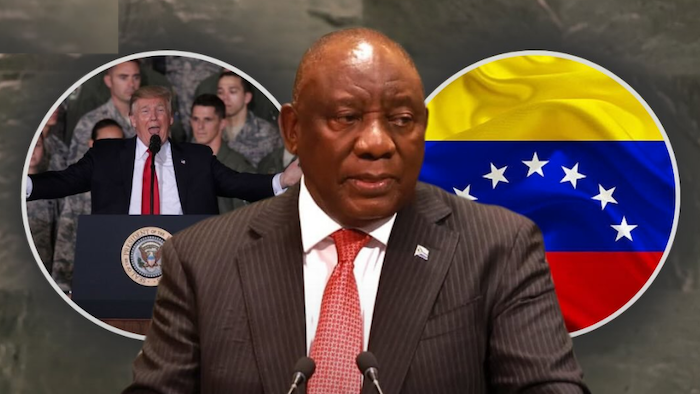
As Trump Strikes Venezuela, the World Holds Its Breath
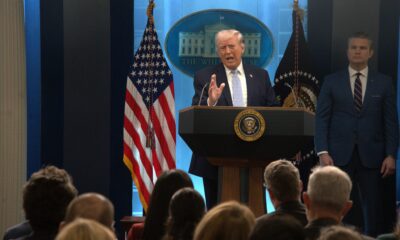
When news broke that former US president Donald Trump had ordered a dramatic raid to arrest Venezuelan leader Nicolás Maduro, the shockwaves were immediate, not just in Latin America, but across the globe.
For South Africans watching from afar, the move felt both distant and unsettling. Distant, because Venezuela lies far outside Pretoria’s immediate diplomatic orbit. Unsettling, because it signalled a world where raw power, rather than negotiation, may once again dominate international relations.
Trump’s action has left allies and adversaries alike asking the same question: who could be next?
Why South Africa Is Unlikely to Be a Military Target
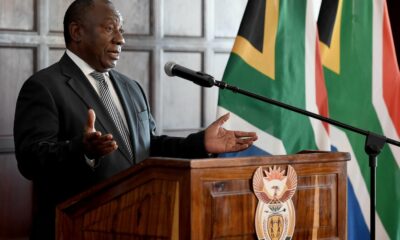
Local diplomatic experts are clear on one point, South Africa is not facing US troops on its shores.
Professor Theo Neethling from the University of the Free State says geography and strategic relevance matter. South Africa, he notes, is not a key military or geopolitical priority for Washington, even as relations between Pretoria and the US continue to cool.
But that does not mean South Africa is immune from pressure.
“If Washington wants to punish South Africa,” Neethling explains, “it will do so through economic levers, not military ones.”
Sanctions, trade restrictions, and diplomatic isolation remain far more likely tools than force.
Oil, Power and Trump’s Worldview
At the heart of the Venezuela raid lies a familiar driver: oil.
Neethling points out that Venezuela’s oil industry was largely built in the 20th century by foreign, particularly American, companies. The nationalisation of that industry in 1976 remains a sore point in US political memory.
Trump’s rhetoric about “taking back Venezuela’s oil” taps directly into this history, reframing it as unfinished business rather than foreign intervention.
What makes this episode especially striking is not just the target, but the method.
Unlike previous US actions, Trump did not consult domestic institutions or rely on traditional diplomatic processes. Analysts see this as a decisive shift away from soft power toward a blunt, unilateral use of force.
The Return of Old Doctrines in a New World
Trump himself framed the raid as a modern revival of the Monroe Doctrine, the 1823 declaration that warned outside powers to stay out of the Americas.
In trademark fashion, he rechristened it the “Donroe Doctrine,” declaring that American dominance in the Western Hemisphere would “never be questioned again.”
For many observers, this language feels alarmingly outdated and dangerously relevant.
Russia’s invasion of Ukraine, China’s threats toward Taiwan, and now the US move in Venezuela suggest a world where major powers feel increasingly emboldened to act without global consensus.
Timing That Raises Eyebrows
The Venezuela operation did not happen in isolation.
It followed closely on the heels of major Chinese military exercises simulating a blockade of Taiwan, and a Chinese envoy was reportedly in Caracas just hours before Maduro’s capture.
Trump’s move also comes amid renewed US interest in strategically valuable regions from rare earth-rich Greenland to the Panama Canal, sending a clear message that resources matter more than diplomacy.
South Africa’s Calculated Silence
In Pretoria, the response has been cautious and measured.
Senior politician Themba Godi has already cast doubt on the effectiveness of South Africa’s call for a UN Security Council meeting, suggesting it will amount to little more than discussion.
For Godi, the lesson is simple: Trump acts decisively in pursuit of American economic interests and expects the world to take note.
The warning from US foreign affairs minister Marco Rubio reinforces that message: don’t test Trump’s resolve.
What This Means for South Africa
For South Africa, the Venezuela episode is less about immediate danger and more about long-term positioning.
The message from analysts is clear: Pretoria must tread carefully in how it manages relationships with countries viewed by Washington as adversaries. In a world where economic pressure can be as damaging as military force, neutrality is no longer passive it is strategic.
As Trump’s actions reshape global expectations, South Africa, like many middle powers, finds itself navigating a far less predictable world.
One where watching from the sidelines no longer guarantees safety, only time to prepare.
Embassy in Contact: All 23 South Africans Accounted for in Tense Venezuela
{Source: The Citizen}
Follow Joburg ETC on Facebook, Twitter , TikTok and Instagram
For more News in Johannesburg, visit joburgetc.com