News
After Maduro’s Arrest, Trump Sends a Chilling Message to Venezuela’s New Leader
A Shock Arrest and a Stark Warning
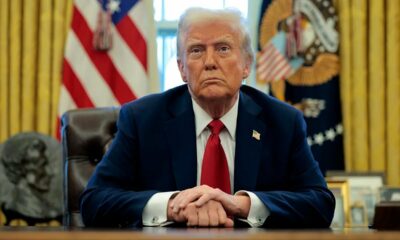
The dust had barely settled in Caracas when President Donald Trump issued a blunt warning to Venezuela’s new leader: cooperate with Washington or face consequences even harsher than those awaiting Nicolas Maduro.
Maduro, Venezuela’s long-time strongman, is now sitting in a New York detention centre, scheduled to appear before a federal judge to be formally notified of narcoterrorism charges linked to large-scale cocaine trafficking into the United States. His arrest, alongside his wife Cilia Flores, followed a dramatic pre-dawn US military operation in the Venezuelan capital.
For Trump, the message didn’t stop with Maduro.
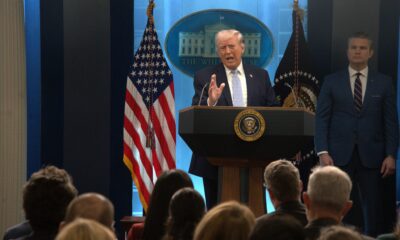
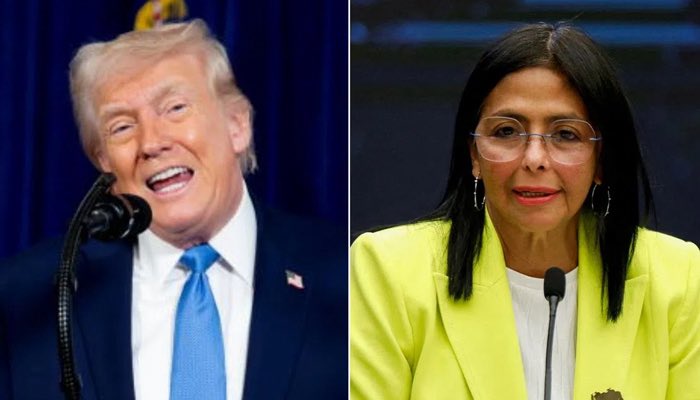
Speaking in a telephone interview, the US president said interim leader Delcy Rodriguez would “pay a very big price” if she failed to cooperate with American demands, a statement that sent shockwaves through diplomatic circles.
Calm Streets, Heavy Uncertainty
Despite the extraordinary nature of the raid, Caracas appeared eerily calm in the aftermath. Shops reopened, residents queued for food, and the heavy police presence seen immediately after the operation faded from view.
The Venezuelan military quickly announced it recognised Rodriguez, formerly Maduro’s vice president, as acting president, urging citizens to resume normal life. But behind the calm, questions about who truly controls Venezuela are multiplying.
Trump has openly stated that the United States intends to “run” the country for now, framing the intervention as necessary to rebuild a nation he says was mismanaged for years.
Oil, Power and Leverage
At the heart of Washington’s strategy lies Venezuela’s oil, the largest proven reserves in the world. The Trump administration has made it clear it is willing to work with remaining government structures, but only if US interests, including access for American investment, are prioritised.
Secretary of State Marco Rubio attempted to soften the message, insisting the US is fighting drug trafficking networks, not waging war on Venezuela itself. Still, he confirmed a significant US naval presence would remain in the Caribbean to enforce a blockade on Venezuelan oil exports, giving Washington what he called “tremendous leverage”.
Global Reaction and Growing Alarm
International response has been swift and uneasy. Several Latin American countries, along with Spain, issued a joint statement rejecting the US operation and warning against foreign control of Venezuela’s resources.
At home in the US, even political allies expressed concern. Senior Democrats said Americans were watching events unfold with confusion and fear, uncertain where Trump’s interventionist approach might lead next.
Meanwhile, exiled Venezuelans across Europe and South America celebrated Maduro’s arrest, a symbolic moment for millions who fled poverty, repression and economic collapse under his rule.
What Comes Next for Venezuela?
In her first public remarks, Rodriguez struck a defiant tone, insisting Maduro remains the country’s legitimate leader and vowing to defend Venezuela’s natural resources.
But with Maduro in handcuffs, US warships offshore, and Washington openly calling the shots, Venezuela stands at a crossroads, caught between the promise of change and the reality of external control.
As the UN Security Council prepares to meet, one thing is clear: Maduro’s fall has not brought closure. It has opened a new, volatile chapter, not just for Venezuela, but for global politics watching closely from afar.
{Source: IOL}
Follow Joburg ETC on Facebook, Twitter , TikTok and Instagram
For more News in Johannesburg, visit joburgetc.com