News
Trump’s New Wave Of Xenophobic Immigration Attacks Sparks Outrage And Fear
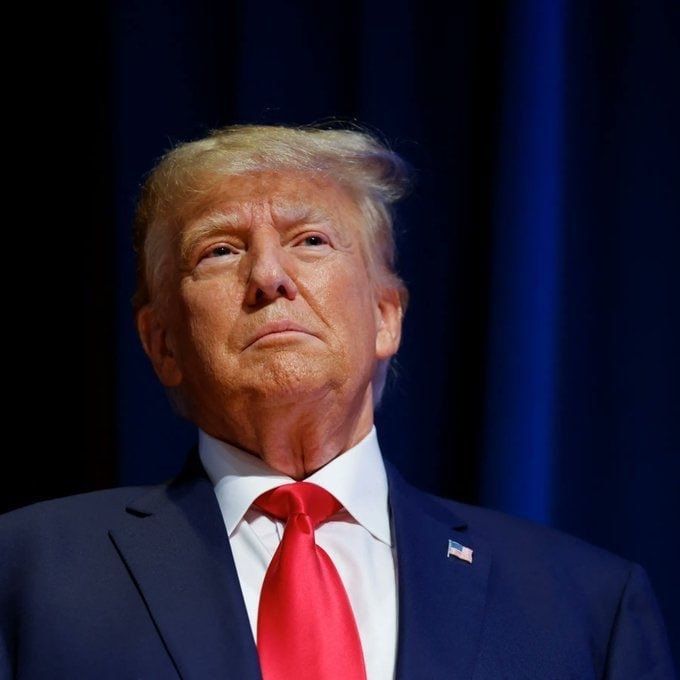
Donald Trump has never been known for subtlety, but his latest public outbursts about immigrants have pushed the boundaries of political rhetoric in the United States. The 79 year old president has revived some of his most inflammatory language, aiming his attacks squarely at immigrants from non white countries and reigniting debates about racism, belonging and the future of multicultural America.
A Rally That Turned Into A Rant
At what was supposed to be a routine economic rally in Pennsylvania, Trump slipped back into language that first shocked the world in 2018. This time, however, he did not dodge responsibility or deny using the infamous term. He embraced it.
He questioned why the United States does not selectively attract people from what he described as cleaner, safer European nations, while shamelessly ridiculing countries like Somalia as places that are dirty and crime ridden. Recently he even referred to Somali immigrants as trash.
For many Americans, especially immigrant communities, this was a gut punch. Massachusetts Senator Ed Markey summed up the frustration on X, calling Trump’s comments proof of his racist and anti immigrant agenda.
A Divided Chorus Of Defenders And Critics
Trump’s supporters were quick to rally behind him. Florida Republican Randy Fine told CNN that the president only speaks truths that others are too afraid to say, insisting that Americans appreciate Trump’s blunt manner.
But experts say the real danger lies not only in the words themselves, but in who is saying them. Carl Bon Tempo, a historian at the University of Albany, noted that these kinds of talking points have long circulated on the far right. What is different today is that these sentiments now come from the most powerful political office in the country.
With the presidential megaphone behind him, Trump’s words shape national attitudes and normalise hard line policies.
A Brutal Immigration Crackdown Unfolds
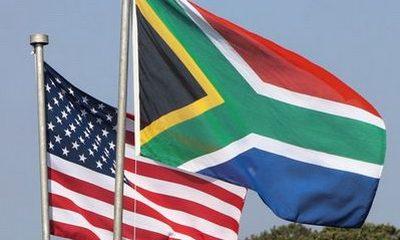
Since returning to office, the Trump administration has wasted no time enforcing sweeping deportation campaigns and freezing immigration applications from 19 of the poorest countries worldwide. In a controversial move, Trump also ordered that white South African farmers receive special entry into the United States, claiming they face persecution at home.
Experts warn that his rhetoric and policy decisions reflect a worldview where assimilation is assumed impossible for certain groups. Terri Givens, an immigration scholar, noted that Trump no longer filters his words, and that his attacks target immigrants regardless of how long they have lived in the US or how much they have contributed.
Economic Frustration And Scapegoating
The political tension comes as Americans grapple with rising living costs and fears about job security. According to Syracuse University professor Mark Brockway, immigrants have become the convenient villains in Trump’s narrative.
This sentiment has been echoed by senior officials like Homeland Security Secretary Kristi Noem, who recently described immigrants using words such as killers and entitlement junkies. Analysts say such language provides Americans with a scapegoat during tough economic times.
Echoes Of A Darker Past
Trump’s rhetoric is not new in American history. Scholars draw direct connections to the nativist movements of the 1920s, which insisted that only white, Anglo Saxon, Protestant culture represented true American identity. Those views shaped decades of immigration laws designed to keep out people from Africa, Asia and parts of Southern and Eastern Europe.
Today, similar talking points are resurfacing, this time wrapped in modern politics. When Trump called for what he termed reverse migration after an Afghan national attacked US soldiers, observers immediately noted the resemblance to European far right theories advocating mass expulsions.
White House advisor Stephen Miller added fuel to the fire by arguing on X that welcoming migrants also imports their societies and the problems of their homelands.
Global Reaction And South African Perspective
Around the world, Trump’s statements have once again sparked outrage. In South Africa, where immigration debates are also politically charged, Trump’s selective sympathy toward white farmers while vilifying black and brown migrants has not gone unnoticed.
Local commentators argue that Trump’s selective compassion exposes the racial hierarchy embedded in his immigration worldview. On social media, many South Africans highlighted the irony of a nation built on immigration turning hostile toward immigrants based solely on race and origin.
What This Means For America’s Identity
As immigration becomes one of the defining issues of Trump’s presidency, experts warn that the stakes go far beyond policy. The real fight is over the meaning of being American in a country where diversity is both a reality and a political battleground.
Bon Tempo put it plainly: immigration spikes not only because of economic concerns but because people fear what change means for national identity.
For millions watching inside and outside the US, Trump’s renewed attacks feel like a step backward into an era many hoped was long gone.
{Source:EWN}
Follow Joburg ETC on Facebook, Twitter , TikTok and Instagram
For more News in Johannesburg, visit joburgetc.com