News
‘No Filter Left’: Trump’s Rhetoric Takes a Darker Turn as He Targets Non-White Immigrants
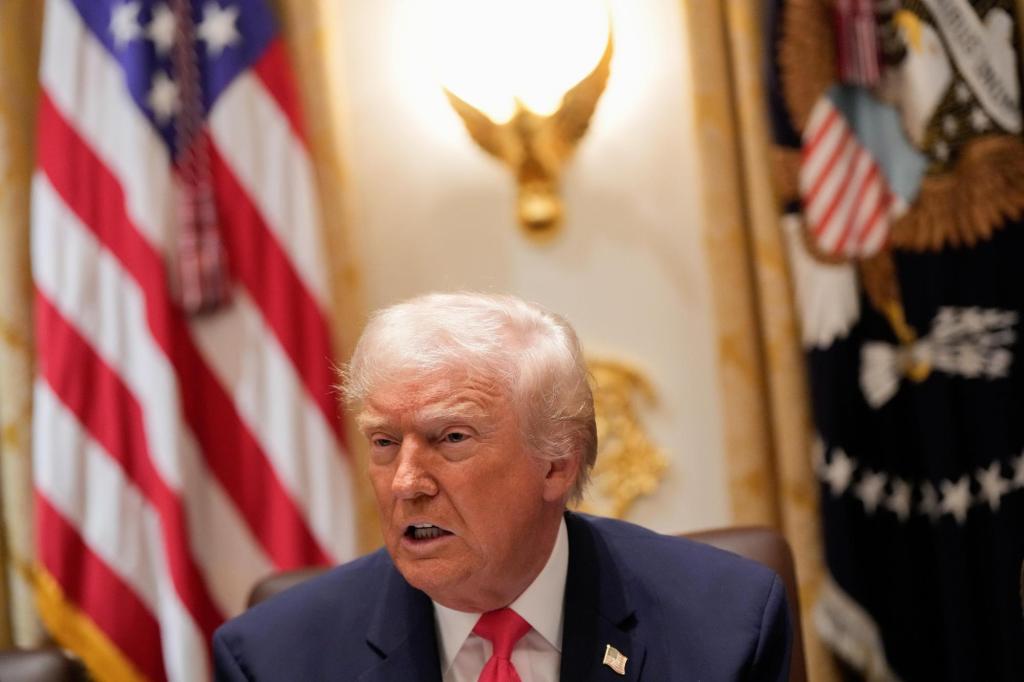
‘No Filter Left’: Trump’s Rants Against Non-White Immigrants Hit a New Low
It’s becoming painfully clear that Donald Trump no longer cares about softening his message or disguising it. The former US president, now back in the political spotlight, is again leaning heavily into the one drum he’s beaten for years: anti-immigrant fear. But this time, he’s saying the quiet part out loud.
At a recent rally in Pennsylvania, ironically billed as an economic policy speech, Trump revived a line he once denied ever uttering. In 2018 he claimed he never called African and Caribbean nations “shithole countries.” Today, he repeats the phrase proudly, even theatrically.
“We only take people from shithole countries,” he told a roaring crowd, before praising Norway and Sweden as the type of nations he prefers migrants to come from. As if that wasn’t enough, he singled out Somalia, calling it “filthy, dirty, disgusting, ridden with crime.”
This wasn’t a slip of the tongue or an off-the-cuff moment. It was deliberate and it’s becoming his political signature.
A Familiar Pattern, Sharpened for 2025
Trump’s rhetoric has always found an audience on the far-right, but experts say the difference now is that the messaging is coming directly from the centre of American power.
University of Albany professor Carl Bon Tempo put it bluntly: “There’s no bigger megaphone.”
And Trump is using that megaphone to escalate, not moderate.
Recently, he labelled Somali immigrants “trash.” Last year, he told supporters that migrants were “poisoning the blood of our country” rhetoric so inflammatory that historians compared it to early 20th-century nativist movements and even Nazi propaganda.
With Trump back in office, this isn’t just talk. His administration has launched an aggressive deportation campaign and suspended immigration applications from nationals of 19 of the world’s poorest countries. Simultaneously, he instructed immigration authorities to fast-track white South African farmers, citing unproven claims of “persecution.”
It’s a return to the racial hierarchy that shaped America’s early immigration laws and one that many American academics, activists, and community leaders believe moves the US into disturbing ideological territory.
A Divided Reaction in the US
Trump’s latest comments have sent ripples across American political circles. Massachusetts senator Ed Markey called the remarks “proof of his racist, anti-immigrant agenda,” adding that the rhetoric endangers real people living in the US legally and peacefully.
But on the other side of the political aisle, voices like Republican lawmaker Randy Fine defend the approach as “blunt honesty.”
“Not all cultures are equal,” he argued on CNN, echoing a view gaining traction among the MAGA base.
For Trump supporters, his crass tone is not a flaw, but a selling point, evidence that he speaks “plainly,” even when the message is divisive or dangerous.
Why This Rhetoric Hits Deeper Now
Analysts say the political timing isn’t accidental. The US is facing economic anxiety, rising living costs, and uncertainty about future job security, fertile ground for scapegoating.
By portraying some immigrants as “killers, leeches, and entitlement junkies,” as Homeland Security Secretary Kristi Noem recently did, the administration redirects public anger away from economic leadership and toward vulnerable groups.
Political scientist Mark Brockway believes this is the essence of the strategy:
“It doesn’t matter if the immigrant is hardworking, law-abiding or established. They’re caught in the middle of Trump’s fight against an invented enemy.”
The Return of ‘Reverse Migration’
After an Afghan national attacked two US soldiers, Trump called for “reverse migration,” a term borrowed directly from European far-right ideologues like French writer Renaud Camus.
It means exactly what it sounds like, mass expulsions based on the belief that certain groups are incapable of assimilation.
It’s a concept deeply rooted in the 1920s American nativist movement, a political ideology built on the belief that “true American identity” was white, Anglo-Saxon and Protestant. Those beliefs spawned discriminatory immigration quotas that favoured Northern and Western Europe and excluded nearly everyone else.
Many experts warn the US is watching a frightening reboot of those policies in real time.
A Fight Over Identity, Not Just Borders
As Bon Tempo puts it, immigration debates flare not only because of economics, but because they touch the rawest nerve in US politics: Who gets to be an American?
White House advisor Stephen Miller added fuel to the fire recently, claiming immigrants “recreate the conditions and terrors of their broken homelands.”
That belief, that immigrants bring danger, not diversity, is shaping Trump’s policies and speech. And it’s reshaping America’s national conversation about identity, belonging, and race.
A Global Concern With Local Ripples
For South Africans watching from afar, Trump’s remarks hit close to home. Not only because the rhetoric is racialised, but because South African migrants, Somali, Ethiopian, Zimbabwean, and others are often the targets of global xenophobia.
And with Trump selectively welcoming only white South Africans, the racial undertones become even more explicit.
This isn’t just American politics. It’s a warning about how quickly global powers can legitimise discrimination when political strategy collides with prejudice.
{Source: IOL}
Follow Joburg ETC on Facebook, Twitter , TikTok and Instagram
For more News in Johannesburg, visit joburgetc.com