Tshwane council showdown looms over R5.3 billion budget hole
If you want to understand the mood in Tshwane right now, don’t start with the speeches. Start with the numbers.
They’re big. They’re uncomfortable. And they’re about to dominate today’s council meeting at the City of Tshwane.
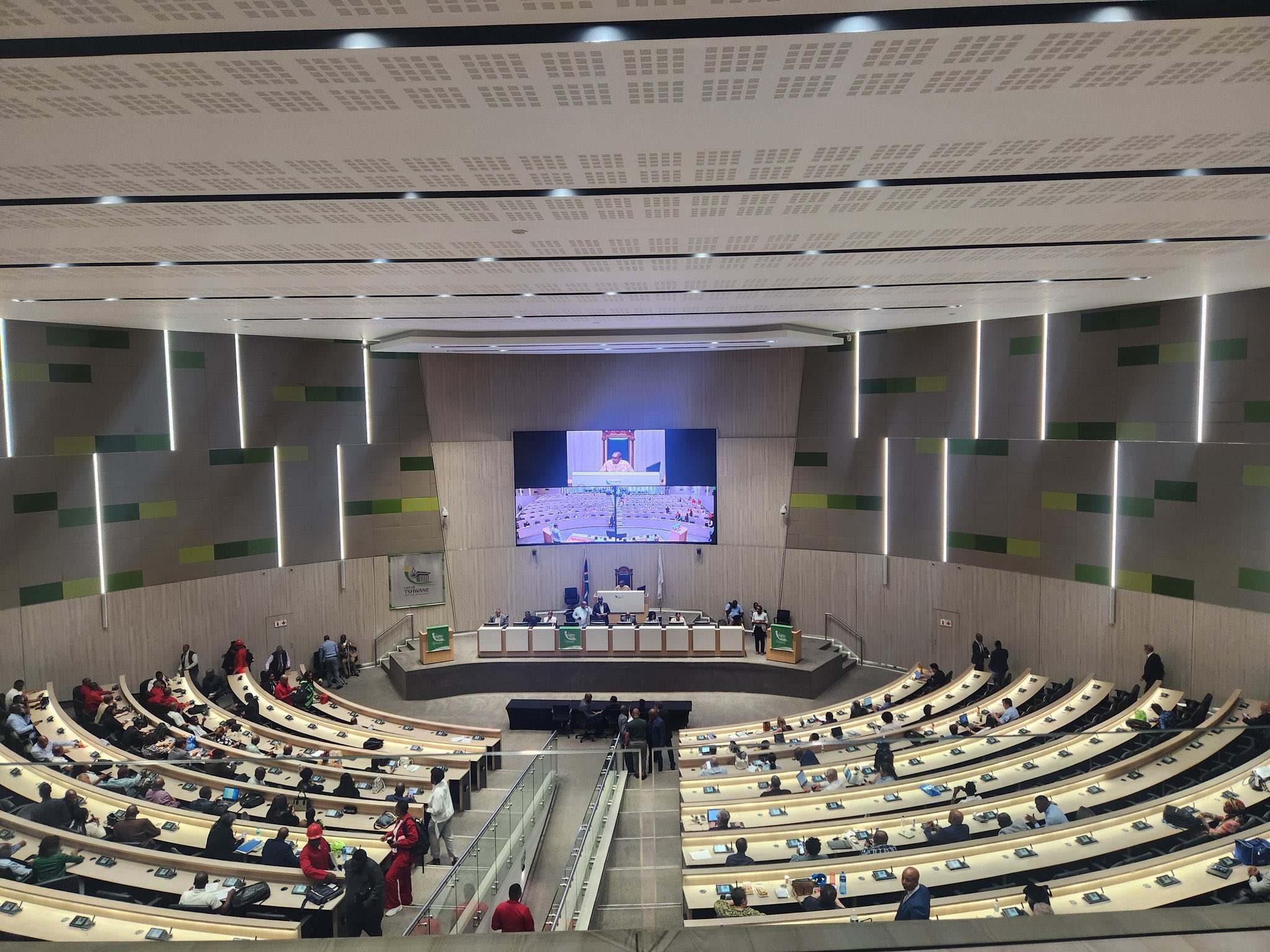
What was meant to be the second routine sitting of the year is shaping up to be a political brawl over a widening budget deficit, controversial backdated wage increases and millions already overspent on water tankers with billions more potentially at stake.
A budget battle years in the making
At the centre of the storm is DA Tshwane mayoral candidate Cilliers Brink, who has written to National Treasury arguing that the city’s budget is not properly funded.
He is demanding two things: a clear funding plan and an investigation into water tanker spending.
The clash follows last week’s announcement by Mayor Nasiphi Moya that the city had resolved a long-running 3.5% wage dispute dating back to 2021. The agreement affects more than 21,000 employees and will be paid over three years, calculated from July 2021 salaries, with payments beginning in March 2026.
For workers, it closes a chapter that has dragged on for years.
For the opposition, it opens a financial wound.
How the deficit ballooned
Brink argues that the decision to implement backdated increases, instead of challenging the matter in the Labour Court, has significantly deepened the city’s financial crisis.
According to him, Tshwane’s deficit has grown from R1.63 billion to R2.8 billion. Add R2.5 billion in carried-over creditor payments from the previous financial year, and the total shortfall climbs to R5.3 billion.
That’s not just a line item. That’s a structural problem.
He also points to declining revenue collection, which he says has dropped from 93% in 2024 to 82% by the end of 2025 under the current ANC-led coalition.
In a metro where service delivery complaints already dominate community meetings and local radio call-ins, the numbers fuel anxiety.
Water tankers back in the spotlight
If there’s one issue guaranteed to spark emotion in Tshwane, it’s water.
Large parts of the metro have endured recurring water outages in recent years. Tankers became a lifeline and a lightning rod for criticism.
Brink claims unauthorised expenditure on water tankers will balloon by year-end. He says R125 million has already been overspent in the current financial year, warning the figure could climb significantly because the latest adjustment budget covers only half the year.
He further alleges that no new money will be allocated to tanker spending going forward, and that future spending until June will be classified as unauthorised and investigated.
In a sharp political swipe, he also criticised proposed budget shifts that would remove:
-
R7 million from the Sunderland Ridge wastewater treatment plant upgrade
-
R12 million from the Ekangala wastewater treatment plant upgrade
-
R7 million from telemetry upgrades in city reservoirs
On social media, residents are split. Some argue that tankers, while expensive, are necessary in a city battling aging infrastructure. Others question how so much money continues flowing into emergency supply instead of permanent fixes.
Coalition tensions and political stakes
Tshwane has endured its fair share of coalition turbulence over the past few years. Executive reshuffles, shifting alliances and budget adjustments have become almost routine.
Brink has gone as far as suggesting that tensions around financial oversight may be linked to broader political manoeuvring within council leadership.
But the mayor’s office has pushed back firmly.
Mayoral spokesperson Samkelo Mgobozi dismissed claims that the city’s financial situation is being concealed, stating that adjustment budgets are being formally tabled at council.
What happens next?
Today’s meeting will test more than numbers on a spreadsheet. It will test political credibility.
If the opposition convinces councillors that the deficit is spiralling out of control, pressure could mount for stronger financial intervention possibly even from National Treasury.
If the governing coalition holds firm, the wage settlement may stand as a political win with organised labour, despite the financial strain.
For residents, however, the debate feels less ideological and more practical.
They want working taps. Reliable electricity. Bills that make sense. Roads that don’t crumble after the first summer storm.
And beneath the political theatre, one question lingers: can Tshwane afford its promises?
By the end of today’s council session, the numbers may be clearer.
Whether the solutions are, that’s another story.