Tshwane’s ‘great trek’ plan stalls as fear, court action and uncertainty collide
A relocation plan meets resistance
What was meant to be a decisive move by the City of Tshwane has instead turned into a tense waiting game.
The planned relocation of hundreds of people from the notorious Melgisedek building to a temporary site in Gezina has hit a wall, not because the city isn’t ready, but because just about everyone else has questions.
From courtrooms to community WhatsApp groups, the so-called “great trek” is being challenged, debated and, for now, delayed.
Life carries on at Melgisedek
Despite the looming move, daily life at the Melgisedek building hasn’t skipped a beat.
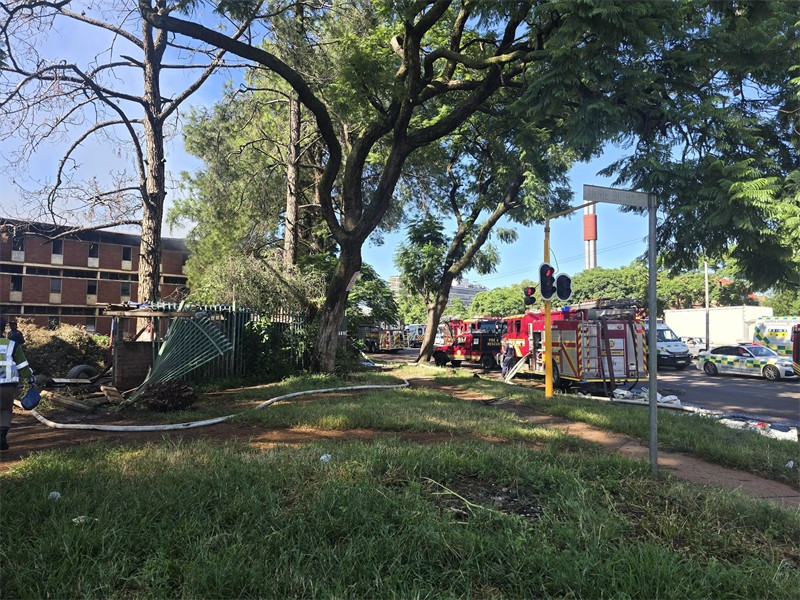
The fire-damaged structure, long associated with drug activity and crime, remains busy. People come and go freely, laundry hangs from railings, and illegal activity continues in plain sight.
For some residents, it’s a harsh reality. For others, it’s still home and that complicates everything.
Gezina site raises red flags
Just a few kilometres away, preparations at the relocation site in Gezina are well underway.
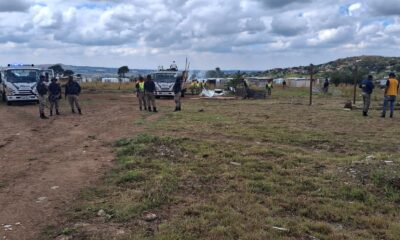
Rows of tents are being pitched, the area fenced off with razor wire, and basic facilities installed. But what’s being built has sparked unease.
According to community observers, the setup currently includes a limited number of tents and only a handful of temporary toilets for hundreds of people.
With winter approaching and Pretoria’s unpredictable rains, critics argue the conditions could quickly become unsafe, even undignified.
Court challenge puts brakes on the move
The biggest obstacle so far has come from AfriForum, which has taken the matter to the High Court in Pretoria.
The group argues that relocating residents to the Gezina site could have serious consequences for the surrounding Moot community.
Interestingly, some residents of the Melgisedek building themselves are reportedly not opposed to the legal challenge suggesting that resistance isn’t just coming from outside.
Their concern? That while their current situation is far from ideal, at least it offers some form of structure something the tented settlement may not.
Residents fear ripple effects
In the quiet streets of Gezina and the wider Moot area, anxiety is growing.
Long-time residents say they are worried about what the relocation could mean for safety and property values.
Some feel their neighbourhood, which has remained relatively stable for years, could change overnight.
Others are thinking beyond property lines, pointing to the nearby train station and pedestrian routes. There are fears that commuters, already vulnerable, could become easy targets if crime spills over.
Politics enters the picture
As if the situation wasn’t already complex enough, politics has begun to creep in.
There have been reports of Economic Freedom Fighters members engaging with people linked to the relocation site.
While it’s unclear what role, if any, the party is playing, some residents suspect early campaigning ahead of upcoming municipal elections.
That perception alone has added another layer of mistrust to an already fragile situation.
City stands firm on its legal footing
For its part, the City of Tshwane says it is acting within the law.
Officials maintain that they have a valid eviction order and that no additional public participation process is legally required when designating land for temporary relocation.
Security measures are also being put in place, with fencing already erected and guards expected to monitor the site.
But legality doesn’t always equal public support and that gap is becoming increasingly visible.
A deeper issue beneath the surface
Beyond the headlines, this story taps into a much bigger reality in South Africa: the ongoing housing crisis.
Urban centres like Pretoria, much like Johannesburg and Cape Town are grappling with overcrowded buildings, informal settlements, and limited resources.
Relocations like this are often presented as solutions, but they can feel more like displacement when not handled carefully.
For now, the Melgisedek building remains occupied, the Gezina site continues to take shape, and the courts will likely decide the next move.
But one thing is clear: this isn’t just about moving people from one place to another.
It’s about dignity, safety, trust and whether the city can balance all three in a situation where every side feels vulnerable.