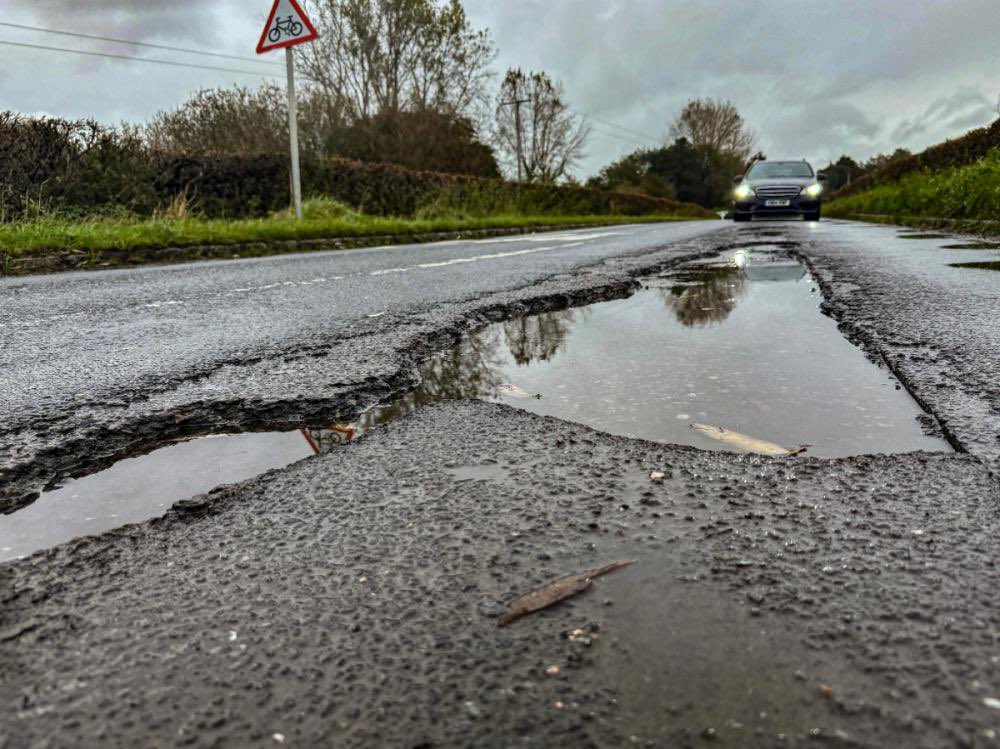
In Pretoria, the debate isn’t about whether the roads are bad or the power is unreliableresidents living with both know the answer. The real fight raging in Tshwane is over who is to blame. As potholes grow to “horrendous” sizes and neighbourhoods endure days-long blackouts, political parties are engaged in a fierce blame game, leaving citizens caught in the middle of a crumbling city.
“Horrendous” Conditions and a Fragile Grid
For Abel Tau, uMkhonto weSizwe’s Gauteng spokesperson, the crisis is a daily commute through Soshanguve. “The levels of potholes are horrendous,” he states, noting that recent rains have exposed the city’s failing patchwork repairs. But the problems run deeper than asphalt. “It’s the power outages, too. It’s crazy,” Tau adds, citing areas where the electricity fails with a light drizzle or gust of wind, and residents who have been without power for five days.
The DA’s Charge: Power Cuts Are Halting Repairs
The official opposition, the DA, points a direct finger at the multiparty coalition running the city. DA Tshwane spokesperson for roads Dikeledi Selowa lays out a domino effect: ongoing power outages have shut down the Bon Accord quarry, which produces the hot asphalt needed for proper, lasting pothole repairs.
With production halted, the city is reportedly down to one functional repair truck and is forced to rely on cold mix asphalta temporary, often ineffective fix. Selowa warns this pushes the city toward costly outsourcing, creating “more unnecessary costs.” Mayoral candidate Cilliers Brink has gone further, labelling the electricity crisis “budget-driven” and threatening a formal complaint to the energy regulator, Nersa.
The Coalition’s Defence: A Strategy of Necessity
The city’s administration, through MMC for Roads Tlangi Mogale, hits back. She defends the use of cold mix as part of a “broader suite” of necessary, cost-effective solutions, arguing that full road rehabilitation costs a prohibitive R8 million per kilometre.
On the quarry shutdown, Mogale attributes it to the broader area power failure affecting residents and businesses alikeframing it as a symptom, not a cause, of the energy crisis. She outlines alternatives: jet patcher trucks that make their own asphalt, sourcing compliant cold mix, and using the city’s own testing lab to ensure standards. She also points to an unavoidable culprit: the weather. “Tshwane has experienced one of its wettest seasons,” she notes, stating that persistent rain has both damaged roads and severely limited the dry windows needed to fix them.
A City Stuck in the Middle
Caught in this crossfire of accusations are Tshwane’s residents and motorists. One side sees a failure of planning and budget management halting critical work. The other sees a pragmatic administration battling inherited problems and exceptional rainfall with limited resources.
The mayoral spokesperson, Samkelo Mgobozi, summarily “rejected the DA’s attempts to blame the current administration.” But for the driver swerving around a crater in Soshanguve or the family sitting in a dark house, the political rhetoric offers little comfort. The potholes remain, the lights stay off, and the question of who will actually fix it seems lost in the noise of the blame game.