After four years of waiting, Tshwane workers finally get their 3.5% increase
A dispute that stretched from 2021 to 2025
For thousands of municipal workers in Tshwane, this isn’t just about percentages. It’s about patience and pay that has been hanging in limbo since 2021.
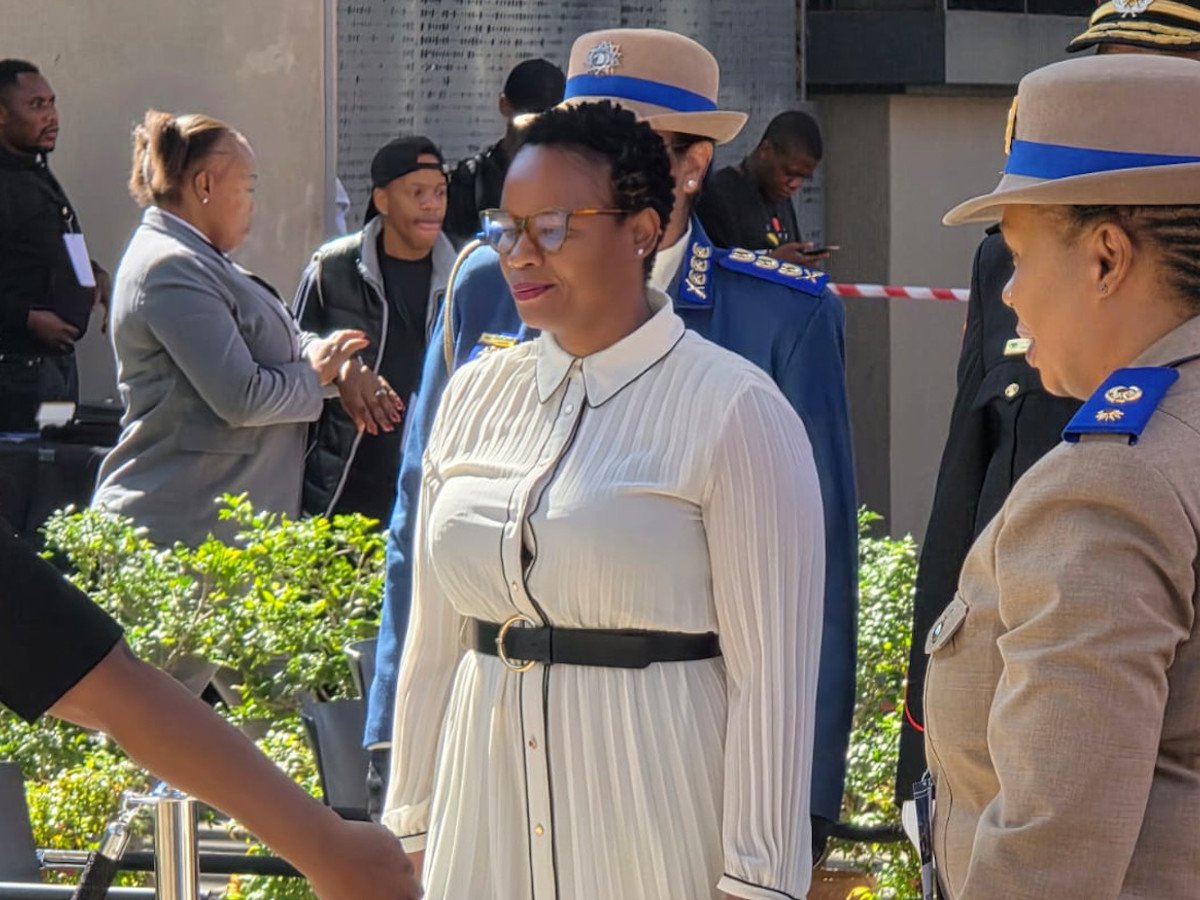
This week, Nasiphi Moya, mayor of the City of Tshwane, confirmed that a long-running wage dispute has finally been resolved. More than 21,000 municipal employees will benefit from a 3.5% salary increase that dates back nearly four years.
The deal affects 21,089 workers and stems from a three-year salary agreement originally signed in September 2021 between the South African Local Government Association (Salga), the South African Municipal Workers’ Union (Samwu) and the Independent Municipal and Allied Trade Union (Imatu).
But what should have been routine quickly turned into a legal and financial headache.
How it all unravelled
Back in 2021, Tshwane was under severe financial strain. The previous administration applied for exemption from implementing the agreed 3.5% increase for 2021 and a further 5.4% increase for 2023.
Those exemption bids failed at arbitration.
The dispute escalated to the Labour Court. The court granted exemption for the 2023 increase but sent the 2021 matter back to Salga. When it was reheard, an arbitrator delivered a final ruling on 31 October 2025, creating a binding legal obligation for the city to implement the 3.5% increase. backdated to 1 July 2021.
In simple terms: the bill had come due.
The R1.6 billion shock
According to Moya, paying the full lump sum immediately would have cost nearly R1.6 billion a blow that could have destabilised the city’s finances.
She said such a payment would have jeopardised commitments to Eskom and other creditors, and potentially put Tshwane’s fully funded budget from July 2026 at risk.
“This administration inherited both the legal obligation and the financial consequences,” Moya explained.
The city faced two options: continue fighting in court and stretch the uncertainty even further, or accept the ruling and negotiate a structured payment plan with labour.
They chose the latter.
A phased solution
Instead of a once-off payout, the agreement will be implemented over three years. The increase is calculated on basic salary only and will be staggered from 1 March.
For workers who have waited years, the confirmation brings relief. Imatu regional chair Melita Baloyi described the mayor’s announcement as a milestone, welcoming the across-the-board implementation.
But there’s no denying the financial trade-offs.
Deputy mayor and finance MMC Eugene Modise admitted the delay has cost the city dearly. What might have been around R500 million initially has ballooned to between R1.2 billion and R1.5 billion. If postponed further, it could have reached R2 billion.
“That money could have gone to services in communities,” Modise noted, fixing pipes, buying equipment, building reservoirs or substations.
In a city where residents frequently complain about water outages, potholes and electricity infrastructure, that comment will sting.
The bigger picture: governance and accountability
This saga highlights a familiar tension in South African metros: balancing labour obligations with fragile municipal finances.
Tshwane has experienced political instability over the past few years, with changes in leadership and coalition arrangements complicating long-term planning. The wage dispute is a reminder that decisions delayed don’t disappear, they accumulate interest.
On social media, reaction has been mixed. Some residents have expressed frustration that historical disputes are draining funds that could improve service delivery. Others argue that workers should never have been denied a negotiated increase in the first place.
Municipal employees, from refuse collectors to administrative staff form the backbone of city operations. For many households, that 3.5% makes a tangible difference in a tough economic climate marked by rising living costs.
Relief, but with consequences
There’s a quiet lesson in this resolution: legal obligations cannot be wished away, and delays often cost more in the long run.
For Mayor Moya, framing the decision as one of “resolution” rather than resistance signals a shift in tone. It suggests an attempt to stabilise both labour relations and the city’s balance sheet.
For Tshwane residents, however, the real test will be whether the city can honour this agreement while still delivering reliable services.
More than 21,000 workers will soon see the long-promised increase reflected in their pay.
The bigger question is whether the city can now turn the page and prevent history from repeating itself.