News
UFS Study Eases Fears Over Menstrual Product Safety In South Africa
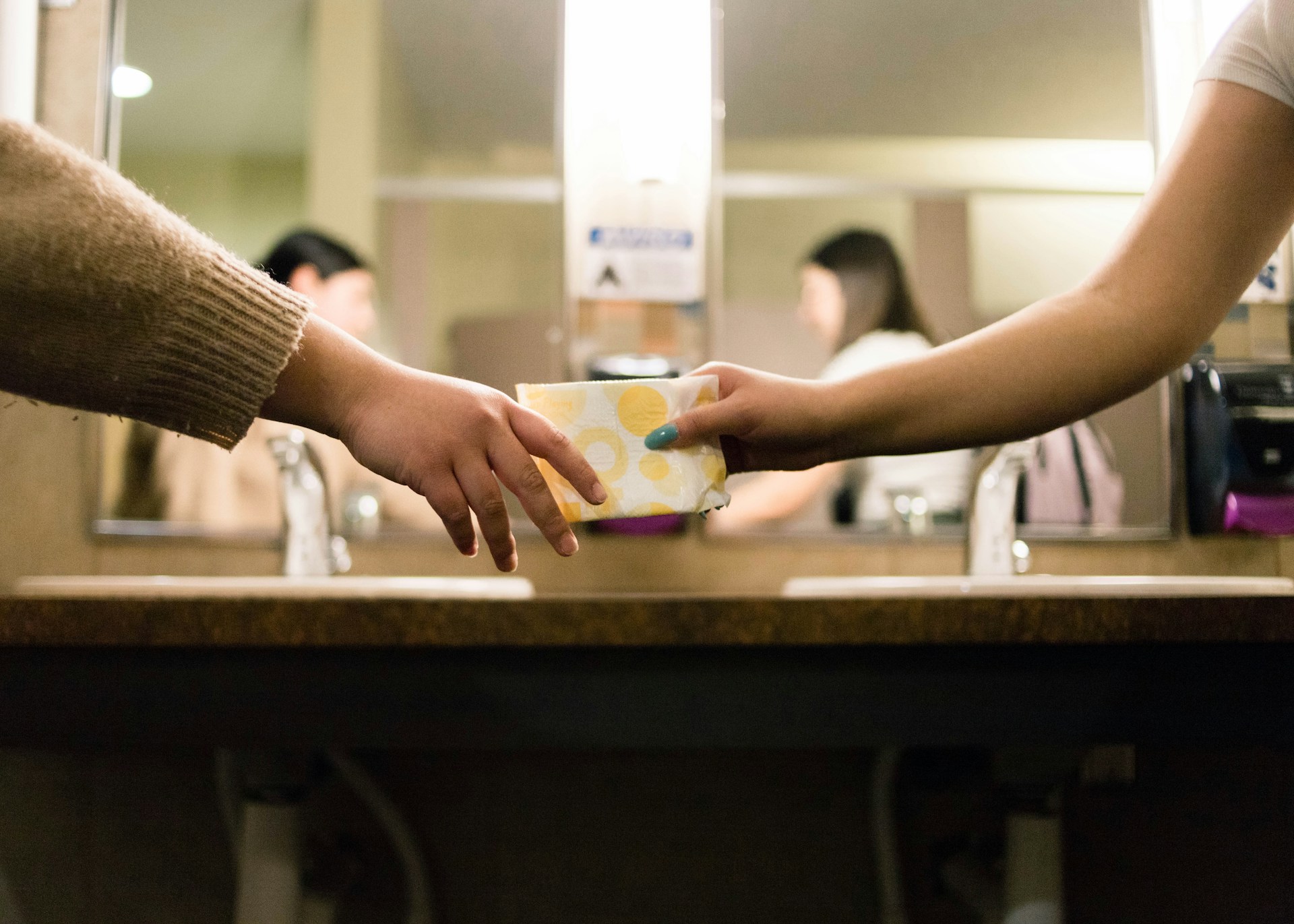
Concerns over the safety of menstrual products resurfaced this week after a new study from the University of the Free State (UFS) found small traces of endocrine disrupting chemicals in locally sold sanitary pads and pantyliners. For many South African women who rely on these items every month, the findings raised understandable questions. Are these products still safe to use? Should consumers be worried?
Medical experts say the short answer is no.
What The Study Found
The UFS research, published in February 2026, analysed a selection of sanitary pads and pantyliners bought online. Trace quantities of endocrine disrupting chemicals were detected, leading researchers to suggest that feminine hygiene products may be an overlooked exposure source. That phrasing sparked concern, especially given South Africa’s already heightened awareness around women’s healthcare and access to safe products.
But specialists warn that the study’s results must be understood within scientific context.
What Medical Experts Want South Africans To Know
Several leading medical organisations, including the South African Society of Obstetricians and Gynaecologists and the College of Obstetricians & Gynaecologists, reviewed the findings and urged the public not to draw harmful conclusions.
According to these bodies, the study does not show that using menstrual products causes infertility, cancer, hormone disorders or any other medical condition. It also does not recommend that any brands be removed from shelves, nor does it advise patients to stop using pads or pantyliners.
Their message is clear: there is currently no evidence that menstrual products on the South African market pose a health risk.
What Are Endocrine Disrupting Chemicals?
Endocrine disrupting chemicals are substances that can interfere with the body’s hormonal system, but typically only when exposure surpasses internationally accepted safety limits. These limits are set by global scientific panels and used by regulators to determine whether products meet safety standards.
Importantly, EDCs aren’t unique to menstrual products. They are commonly found in everyday items such as food packaging, electronics, clothing, cosmetics, toothpaste and even indoor dust. International research shows that most EDC exposure comes from food and general personal care products, not from sanitary pads.
The UFS study did not assess cumulative exposure, meaning it cannot determine whether the detected traces contribute meaningfully to long-term health risk.
Why More Research Is Needed
While experts maintain that menstrual products remain safe for everyday use, they also acknowledge the need for continued oversight. Medical bodies have encouraged South African regulatory authorities to consider broader testing, particularly long-term studies that track overall exposure across different product categories.
For now, consumers can continue using menstrual products as usual. No regulatory changes or recalls have been announced.
A Moment For Better Public Education
The reaction to the study highlights a deeper issue: many South Africans feel unsure about the safety of basic personal care items because research is not always communicated in accessible, everyday language. For a country where menstrual access is already tied to affordability, stigma and period poverty, accurate information is essential.
The UFS study opens the door for valuable conversations about how products are tested and regulated, and it may encourage stronger transparency across the industry. But experts stress that panic is unnecessary.
Menstrual products currently available in South Africa remain considered safe, and no health authorities have called for changes to usage.
If anything, this moment is a reminder of why clear, ongoing communication between researchers, regulators and the public matters for women’s health.
{Source:EWN}
Follow Joburg ETC on Facebook, Twitter , TikTok and Instagram
For more News in Johannesburg, visit joburgetc.com