News
Geneva Talks Stall as Ukraine and Russia Dig in Over Territory
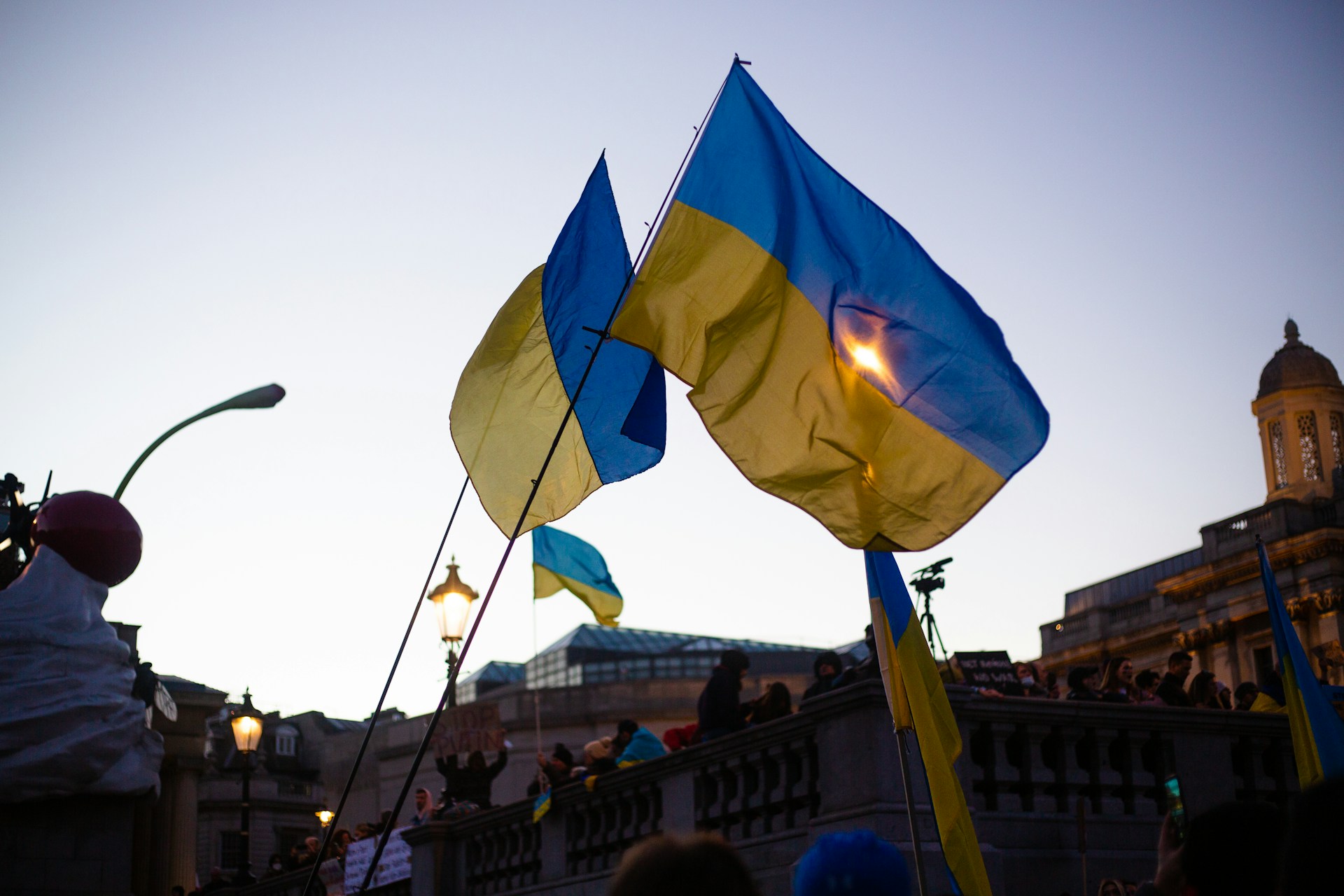
The world has seen this scene before.
Delegations file into neutral rooms in European cities. Cameras flash. Statements are made about “constructive dialogue.” And then, hours later, negotiators walk out with carefully chosen words that say very little.
That was the mood in Geneva this week, where another round of Ukraine war talks ended almost as quickly as they began.
Two hours. That is how long Wednesday’s session lasted. The previous day had stretched to six.
No handshake moment. No breakthrough headline. No hint that Europe’s bloodiest conflict since World War II is anywhere near its end.
A War That Refuses To Pause
The latest talks were mediated by the United States, which has been pushing hard for a settlement to the nearly four-year conflict that began when Russia launched its full-scale invasion of Ukraine in February 2022.
But the central sticking point remains the same: land.
Russia wants full control of Ukraine’s eastern Donetsk region and has made it clear that if it does not secure it at the negotiating table, it believes it can do so on the battlefield.
Ukraine has drawn a firm line in response. President Volodymyr Zelensky says Kyiv will not sign any agreement that hands over territory without strong security guarantees that prevent another invasion in future.
For many Ukrainians, giving up more land feels like rewarding aggression. It is not just about maps. It is about sovereignty, survival and precedent.
Even as negotiators sat in Geneva, fighting did not slow. Hours before talks began, Russia launched 126 attack drones and a ballistic missile at Ukraine, according to Kyiv’s air force. Overnight strikes wounded civilians and damaged buildings.
Peace talks may have been on the calendar. War was still on the ground.
Difficult, But Business-Like
Russia’s delegation was once again led by Vladimir Medinsky, a nationalist figure and former culture minister. After the meeting, he described the discussions as “difficult, but business-like.”
Ukraine’s side was headed by national security secretary Rustem Umerov.
There were no details on what was discussed. No sign of agreement. Both sides suggested the conversation was complex and tense.
Zelensky, speaking while talks were ongoing, accused Moscow of trying to drag out negotiations. He described the first day as difficult and questioned whether Russia was serious about peace.
There is also political pressure from Washington. Former US president Donald Trump urged Ukraine to move fast at the table, warning they “better come to the table, fast.”
Zelensky pushed back, telling Axios it was unfair that Ukraine appeared to face more pressure than Russia. He warned that lasting peace cannot be achieved by handing Moscow what it wants and calling it victory.
The Territory Trap
Russia currently occupies around one-fifth of Ukraine, including Crimea, which it annexed in 2014, as well as parts of the east and south seized since 2022.
On Wednesday, Moscow claimed further gains in the Zaporizhzhia and Sumy regions.
The territory question is not just symbolic. It determines borders, security guarantees, military positioning and the political future of both nations.
For Ukraine, conceding more territory risks emboldening future aggression. For Russia, backing down risks undermining its stated war aims after years of heavy losses and international sanctions.
It is a deadlock that has frustrated diplomats for months.
Economic Pressure Builds
Behind the battlefield and diplomatic theatre, Russia is facing growing economic strain. Sanctions-hit oil revenues have dropped to a five-year low. Growth is stagnating. The budget deficit is ballooning.
Ukraine, meanwhile, continues to rely heavily on Western military and financial support as millions remain displaced and entire cities lie in ruins.
The human cost of this conflict is staggering. Tens of thousands of soldiers and civilians have died. Families have been torn apart. Generations have been shaped by war.
And yet, the talks in Geneva ended with no clear path forward.
Why It Matters Far Beyond Europe
For South Africans watching from afar, this may feel distant. But the ripple effects have already reached our shores.
The war disrupted global grain exports, contributing to food price volatility. Energy markets have swung wildly. Political alliances have shifted. The debate over neutrality, sanctions and global power has played out in BRICS conversations and international forums.
On social media, reactions to the Geneva talks have ranged from frustration to resignation. Many observers say they are tired of diplomatic photo opportunities without tangible progress. Others argue that even two hours of dialogue is better than none.
Hope, however fragile, still matters.
For now, though, Geneva joins the long list of cities where negotiations have taken place without altering the brutal reality on the ground.
The war continues. The territory dispute remains unresolved. And Europe’s deadliest conflict in generations shows no immediate sign of ending.
In diplomacy, sometimes silence speaks louder than statements.
This week, Geneva was quiet.
{Source:EWN}
Follow Joburg ETC on Facebook, Twitter , TikTok and Instagram
For more News in Johannesburg, visit joburgetc.com