News
US sounds alarm as South Africa’s Iran naval drills spark diplomatic storm
US sounds alarm as South Africa’s Iran naval drills spark diplomatic storm
South Africa’s long-standing balancing act on the global stage is once again under intense scrutiny, this time from one of its most powerful trading partners.
A sharply worded statement from the United States Embassy in South Africa has thrown a spotlight on the South African National Defence Force’s participation in multinational naval exercises alongside Iran, triggering political unease at home and diplomatic discomfort abroad.
A routine drill that wasn’t so routine
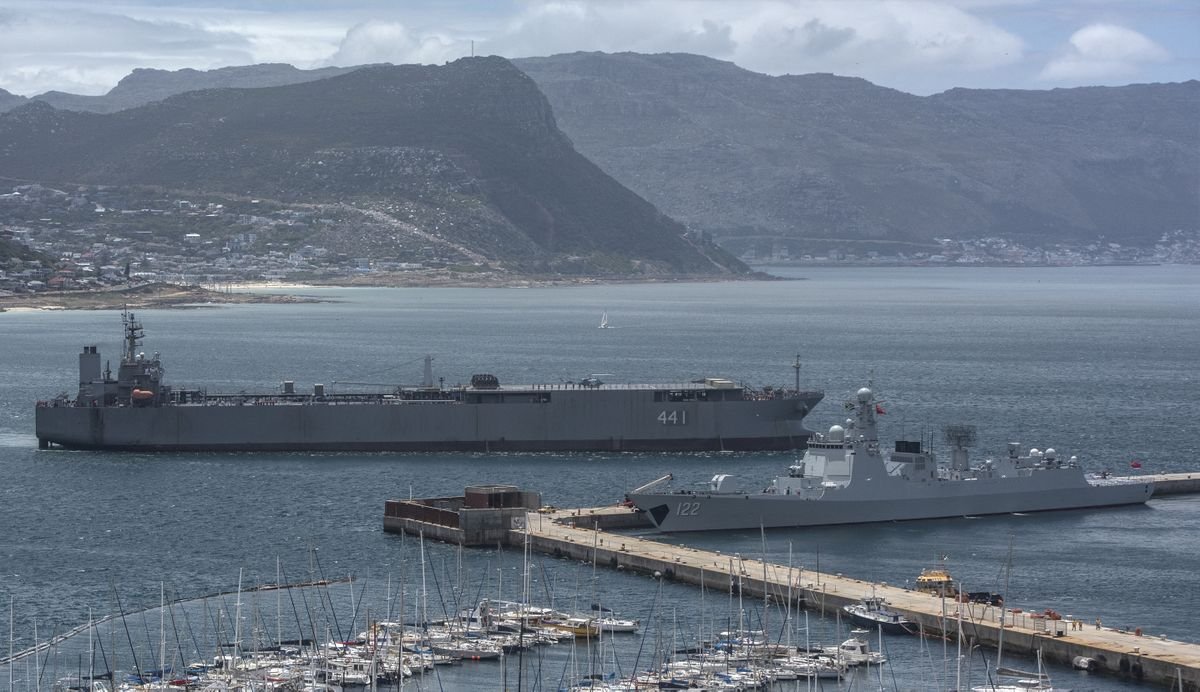
Exercise Will for Peace 2026 began quietly on 13 January off the coast of Simon’s Town, a historic naval hub with deep ties to South Africa’s maritime identity. The SANDF described the drill as a standard multinational exercise focused on maritime safety, humanitarian cooperation, joint readiness and shipping security.
Participating vessels included warships from South Africa, Russia, China, the UAE and notably, Iran. The Iranian Corvette Naghdi was confirmed to be actively involved in the sea phase, despite earlier reports suggesting Iran had stepped back from active participation.
Navies from Ethiopia, Egypt and Indonesia were observing, adding to the exercise’s international scope.
Confusion, deletions and mixed messages
Public confusion grew after initial media reports suggested Iran had downgraded or withdrawn under political pressure, reportedly linked to concerns over South Africa’s AGOA trade talks and diplomatic fallout.
That narrative unravelled when defence analyst Darren Olivier noted that an Iranian vessel had visibly sailed out alongside other warships. Shortly after, the SANDF quietly deleted a social media post confirming Iran’s active participation a move that only intensified speculation.
For many South Africans, the episode felt uncomfortably familiar: mixed messaging, late-night updates, and official silence filling the gaps left by deleted posts.
The US responds forcefully
On 15 January, the United States Embassy broke its silence with an unusually blunt statement.
Washington said it was “concerned and alarmed” by reports that South Africa’s defence leadership had defied a government directive regarding Iran’s involvement. It labelled Iran a destabilising actor and state sponsor of terror, arguing that any form of joint military engagement undermines regional and maritime security.
The statement went further, drawing a sharp moral contrast. It accused South Africa of welcoming Iranian security forces at a time when Iranian citizens were being jailed, shot and tortured for peaceful political activity rights South Africans themselves fought hard to secure.
The message was clear: this, the US said, is not non-alignment.
Pretoria’s carefully chosen words
Later the same day, the South African Presidency issued a brief but pointed response not about the naval exercise, but about unrest inside Iran.
The Presidency said it was following developments “with concern”, called for restraint, and reaffirmed support for peaceful protest, freedom of expression and freedom of association. It urged Iranian authorities to allow citizens to protest peacefully, adding that lasting stability must centre the agency of the Iranian people.
Notably, the statement avoided direct reference to the naval drills or the US criticism.
Why this moment matters
South Africa has long championed non-alignment, positioning itself as an independent voice in a polarised world. But critics argue that neutrality becomes blurred when military cooperation involves states accused of repression and destabilisation.
On social media, South Africans are divided. Some defend the country’s sovereign right to choose its partners. Others warn that these choices carry real economic and diplomatic consequences especially with AGOA renewal talks looming.
What’s clear is that a naval exercise off Simon’s Town has rippled far beyond the waves, reopening old questions about who South Africa stands with, and what non-alignment really means in an increasingly unforgiving global order.
{Source: Business Tech}
Follow Joburg ETC on Facebook, Twitter , TikTok and Instagram
For more News in Johannesburg, visit joburgetc.com