News
US Sends 200 Troops To Train Nigerian Military Amid Growing Security Crisis
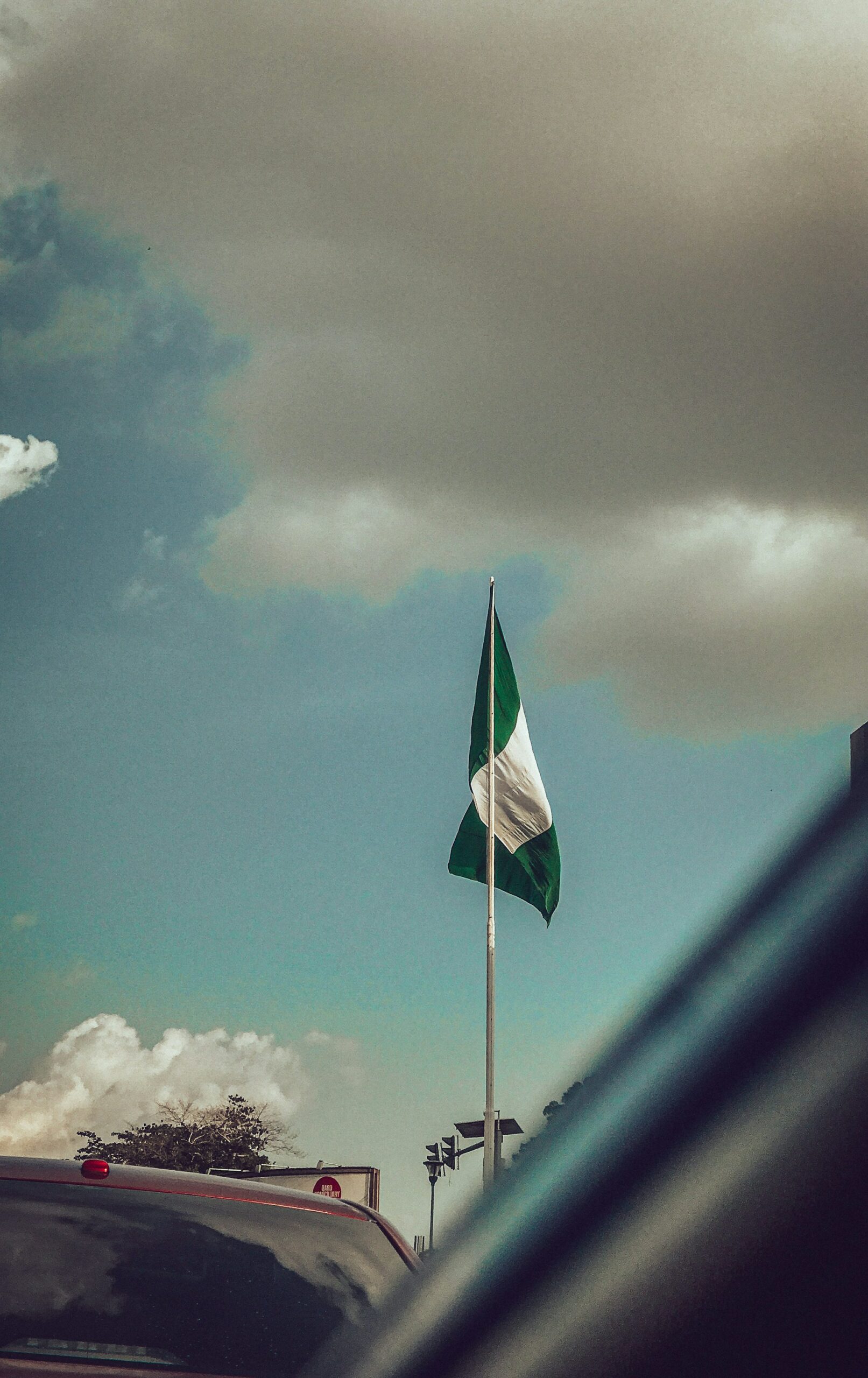
The United States is ramping up its military cooperation with Nigeria, announcing plans to deploy 200 troops to assist in training and technical support for the country’s armed forces.
The move marks a significant step in a partnership that has grown more strategic in recent months, even as diplomatic tensions simmer between Washington and Abuja over how Nigeria’s violence is framed internationally.
A Boost In Military Collaboration
According to Nigerian Defence Headquarters spokesperson Major General Samaila Uba, the additional US troops will focus on training and technical assistance. Their role will include helping Nigerian forces better coordinate complex operations that involve both air strikes and ground troops.
A small US team is already in Nigeria, assisting with air strike targeting. The incoming personnel will expand that support, reinforcing efforts to improve operational precision and effectiveness.
US Africa Command confirmed the deployment, while stressing that American troops will not participate in direct combat. The emphasis, officials say, remains on advisory support rather than boots on the battlefield.
The deployment is expected in the coming weeks and follows Nigeria’s formal request for additional assistance.
A Country Under Pressure
Nigeria, Africa’s most populous nation, has been grappling with overlapping security crises for more than a decade.
In the northeast, jihadist groups such as Boko Haram and Islamic State West Africa Province continue to wage an insurgency that has displaced millions and destabilised entire communities. In the northwest, heavily armed criminal gangs often described locally as “bandits” conduct mass kidnappings and raid rural villages. Meanwhile, central Nigeria sees recurring clashes between predominantly Christian farming communities and mostly Muslim Fulani herders. Researchers frequently point to competition over land and shrinking resources as a key driver of that violence.
The scale and complexity of the conflict have drawn international scrutiny. US President Donald Trump has previously characterised parts of the violence as persecution or even genocide against Christians, a description strongly rejected by Nigeria’s government. Independent analysts argue that the violence cuts across religious lines, with both Christians and Muslims killed in large numbers, reflecting broader state fragility rather than a single targeted campaign.
Despite these disagreements, both governments appear aligned on one thing: strengthening security cooperation.
Joint Operations Already Underway
The expanded deployment follows joint military action in December, when US forces supported Nigerian operations targeting militants in Sokoto state. Going forward, Washington has indicated it will continue supplying intelligence for Nigerian air strikes and work to speed up arms purchases.
For Abuja, the partnership signals a pragmatic approach to a stubborn crisis. Nigeria’s military has long faced criticism over equipment shortages, coordination challenges and limited surveillance capabilities. External support, particularly in intelligence and training, could help sharpen its response to insurgent tactics that have evolved over time.
For Washington, the deployment reinforces its broader security footprint in West Africa at a time when global powers are increasingly competing for influence across the continent.
What This Means For The Region
The arrival of 200 US troops does not represent a large-scale military intervention. It does, however, reflect a calculated shift toward deeper engagement.
Nigeria sits at the heart of West Africa’s political and economic landscape. Instability there reverberates across borders, affecting migration, trade routes and regional security. Strengthening Nigeria’s capacity to manage its internal conflicts is therefore not just a domestic concern but a strategic priority for international partners.
Whether enhanced training and technical guidance will meaningfully change the trajectory of Nigeria’s security crisis remains to be seen. What is clear is that both Abuja and Washington are betting that closer coordination, rather than distance, offers the best path forward.
{Source:EWN}
Follow Joburg ETC on Facebook, Twitter , TikTok and Instagram
For more News in Johannesburg, visit joburgetc.com