News
From Panama to Caracas: The Long Shadow of U.S. Intervention in Latin America
From Panama to Caracas: The Long Shadow of U.S. Intervention in Latin America
In early January 2026, the world watched in shock as U.S. forces carried out a dramatic military operation in Venezuela, striking targets, capturing President Nicolás Maduro in Caracas, and opening a new chapter in a story that stretches back generations across Latin America. What unfolded in Venezuela didn’t happen in a vacuum; it echoes a long history of U.S. involvement in its southern neighbours, a tapestry woven of strategic aims, ideological battles, and geopolitical muscle.
A History Written With Muscle
U.S. engagement in Latin America isn’t new. While the Cold War saw a spike in covert operations and overt military actions, the roots go deeper. Throughout the 20th century and beyond, Washington repeatedly intervened politically and militarily in the region, sometimes publicly, often in secret, justified variously by anti-communist rhetoric, national security, or economic interests.
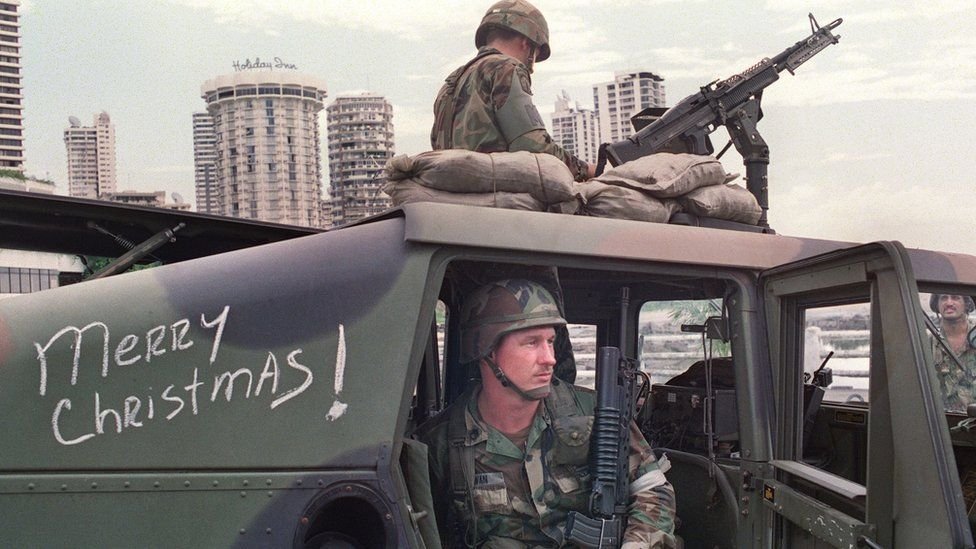
One of the most seismic moments came in 1989, when U.S. forces invaded Panama to remove General Manuel Noriega, once an ally, later a target of U.S. drug trafficking charges. Thousands of troops flooded into Panama City in Operation Just Cause, ending Noriega’s rule and leaving a legacy of trauma and debate.
Similar interventions had played out in earlier decades. During the Cold War, covert CIA-backed operations helped topple governments and tilt political outcomes from Brazil and Chile to Argentina. Even when U.S. boots didn’t land, dollars, intelligence and pressure often did.
Caracas in Crisis: A Modern Echo
Fast forward to the present: a surprise U.S. raid in Caracas resulted in the capture of President Maduro and his wife, flown to the United States to face narco-terrorism charges. This dramatic action has already drawn sharp global criticism, with many world leaders and the United Nations warning it may violate international law and set a dangerous precedent.
On the streets of Latin America, reactions have been fierce. Social media in countries from Brazil to Mexico lit up with debates: some celebrated Maduro’s removal as a long-overdue accountability for alleged corruption and misrule, while others saw it as another chapter in old patterns of foreign domination. “This isn’t liberation it’s a message that powerful nations can reshape sovereign states at will,” wrote one commentator on X (formerly Twitter).
Why History Matters
To understand the present, it helps to remember the past. Latin American societies are no strangers to U.S. influence whether through military incursions, like in Grenada in 1983, or covert coups during the Cold War that reshaped governments from Guatemala to Chile. These histories have left surface wounds and buried scars, feeding a mix of resentment, skepticism, and cautious engagement in many capitals.
For communities across the region, memories of interventions are not abstract. In Panama, families still recount street battles and displacement from 1989. In Chile and Argentina, human rights groups trace decades-long influences that bolstered authoritarian regimes. These stories, passed down through generations, shape how current events are understood locally, not as isolated headlines, but as recurring themes in regional history.
A New Turning Point?
What makes the Venezuelan case so powerful and controversial is not just the boldness of the raid, but what it signals about U.S. intent in the 21st century. Latin American leaders have voiced alarm about sovereignty and the precedent it sets. International partners at the United Nations decried the action, highlighting fears that big nations might use force to impose political outcomes abroad.
Back in Caracas, ordinary Venezuelans voiced mixed reactions. Some took to the streets in celebration, others in protest, and still more remain wary about what comes next: economic fallout, political instability, or even wider regional tensions.
Why It Matters to You
For readers in Africa, Europe, or elsewhere watching from afar, the Venezuela episode isn’t just another foreign conflict. It’s a reminder that powerful states have long shaped global politics not only through diplomacy but force and that the legacies of those choices ripple across generations and continents.
{Source: IOL}
Follow Joburg ETC on Facebook, Twitter , TikTok and Instagram
For more News in Johannesburg, visit joburgetc.com