News
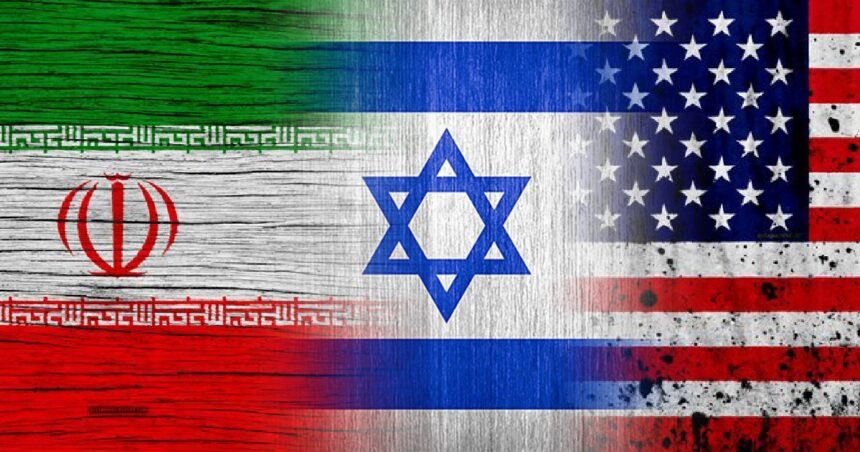
Why the US-Israel strike on Iran could hit South Africa’s economy where it hurts most
Why the US-Israel strike on Iran could hit South Africa’s economy where it hurts most
Oil prices, fuel costs and fragile confidence in focus
When conflict flares in the Middle East, South Africans feel it, not always immediately, but inevitably.
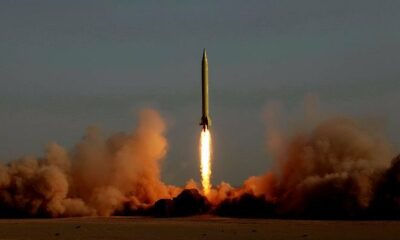
The latest US-Israel attack on Iran has already rattled global markets, and economists warn that the ripple effects could reach South Africa’s petrol pumps, supermarket shelves and business confidence in the months ahead.
According to Prof Raymond Parsons from the North-West University Business School, it’s still early in the conflict. But the economic warning lights are flashing.
The oil price question
For countries like South Africa, which import most of their fuel, the biggest immediate concern is global oil prices.
Parsons says uncertainty is the real danger right now. Markets dislike instability, and geopolitical tension in the Middle East almost always pushes crude prices upward at least in the short term.
Oil prices are widely expected to spike and could remain elevated, depending on how the conflict unfolds and whether additional supply can offset disruptions.
The stakes are particularly high because of the strategic importance of the Strait of Hormuz, a narrow waterway through which a significant portion of the world’s oil passes. If navigation or transport of Iranian oil through the strait is disrupted by war conditions, global supply chains could tighten quickly.
There are already conflicting reports about the current status of the strait and that uncertainty alone is enough to keep markets nervous.
OPEC’s promise, but will it be enough?
The Organization of the Petroleum Exporting Countries (OPEC) has indicated that it plans to increase output. In theory, that could help stabilise prices.
But as Parsons points out, the bigger unknown is whether increased production can realistically compensate for any supply disruptions if the conflict escalates.
In volatile geopolitical circumstances, even small supply interruptions can trigger outsized price reactions.
And for South Africa, that matters deeply.
What this means for South Africans
Higher oil prices translate directly into higher fuel costs. And higher fuel costs don’t stop at the petrol station.
They filter into transport costs, food prices, manufacturing inputs and ultimately inflation. For a country already grappling with slow growth, unemployment and cost-of-living pressures, another fuel-driven inflation shock would be unwelcome.
On social media, many South Africans have already begun speculating about the next fuel price adjustment. Some are joking grimly about filling up before month-end; others are expressing frustration that global wars so quickly affect local wallets.
Travel and tourism in the Middle East has already been disrupted, with flights cancelled on a large scale. While that may feel geographically distant, South African businesses operating internationally or dependent on global supply chains are watching closely.
A fragile global moment
Beyond oil, Parsons says the conflict raises broader questions about the stability of the Middle East’s political economy.
For emerging markets like South Africa, global instability often leads to investor caution. Capital flows can shift rapidly toward so-called “safe havens,” weakening currencies like the rand and adding further inflation pressure.
This isn’t just about geopolitics. It’s about confidence and confidence is a fragile commodity in uncertain times.
A familiar vulnerability
South Africa has faced this scenario before.
Whenever tensions rise in the Middle East, fuel price anxieties spike locally. It’s a reminder of the country’s structural exposure to global oil markets and the limited buffers available when prices surge.
The bigger issue, perhaps, is long-term resilience. Each geopolitical shock renews calls for energy diversification, improved local refining capacity and reduced reliance on imported fuel.
For now, however, the immediate reality is uncertainty.
And as Prof Parsons suggests, in volatile geopolitical conditions, uncertainty itself becomes an economic risk.
South Africa may be thousands of kilometres from the conflict zone, but economically, it is never truly far away.
{Source: The Citizen}
Follow Joburg ETC on Facebook, Twitter , TikTok and Instagram
For more News in Johannesburg, visit joburgetc.com