News
US Military Strikes in Pacific Kill Five, Fueling Debate Over Legality
Another Deadly Strike in the Pacific
The US military has once again drawn international scrutiny after announcing the killing of five alleged drug traffickers aboard two vessels in the Pacific Ocean. The attacks, carried out on Thursday, push the controversial campaign’s death toll beyond 100, according to official tallies compiled by AFP.
Three people died on one vessel, and two on another, with both boats described by US Southern Command as “engaged in narco-trafficking operations.” The strikes occurred in international waters, reigniting debate about the legality and oversight of the US’s anti-drug campaign.
The Trump-Era Operations
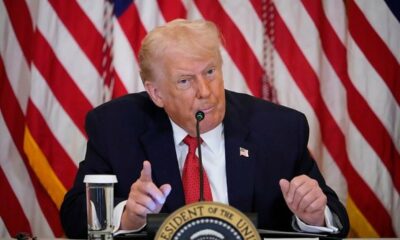
Since September, the Trump administration has authorised a series of military strikes in the Caribbean Sea and the eastern Pacific targeting suspected drug traffickers. However, critics point out that the government has yet to provide public evidence linking these vessels to drug smuggling, leaving the legitimacy of the operations in question.
In September, a strike on one vessel killed a number of alleged traffickers only for a subsequent strike to target survivors of the initial attack. That incident triggered accusations of a war crime and raised serious ethical questions about using lethal military force against suspected civilians.
Legal Questions and Congressional Oversight
The use of the military in these anti-drug operations has prompted lawmakers to ask whether Trump should have sought Congressional approval. On Wednesday, the House of Representatives rejected two Democratic resolutions aimed at halting the strikes and preventing further hostilities in or against Venezuela without legislative authorization.
The ongoing debate underscores the tension between executive power and international law, as well as the accountability mechanisms meant to oversee military actions beyond US borders.
Public and Global Reactions
Social media reactions were sharply divided. Some praised the administration for taking a hard line against narco-trafficking networks, framing the strikes as a necessary tool to combat global drug flows. Others expressed alarm over civilian casualties and the lack of transparency, warning that these operations could set a dangerous precedent for military intervention without oversight.
Analysts also note that the possibility of expanding operations to Venezuelan territory a scenario Trump hinted at could further complicate diplomatic relations in the region.
A Controversial Campaign Continues
With the death toll surpassing 100 and no clear end in sight, the US military’s campaign against drug traffickers in the Pacific remains a flashpoint. Questions about legality, oversight, and civilian risk continue to shadow the operations, leaving the world to watch whether the campaign will shift from a shadowy anti-drug initiative to a fully sanctioned military engagement.
For now, each strike adds not only to the human toll but also to the growing debate over how far the US can go in policing international waters under the banner of counter-narcotics.