News
US Oil Giants Circle Venezuela Again as Washington Eyes a Post-Maduro Energy Reset
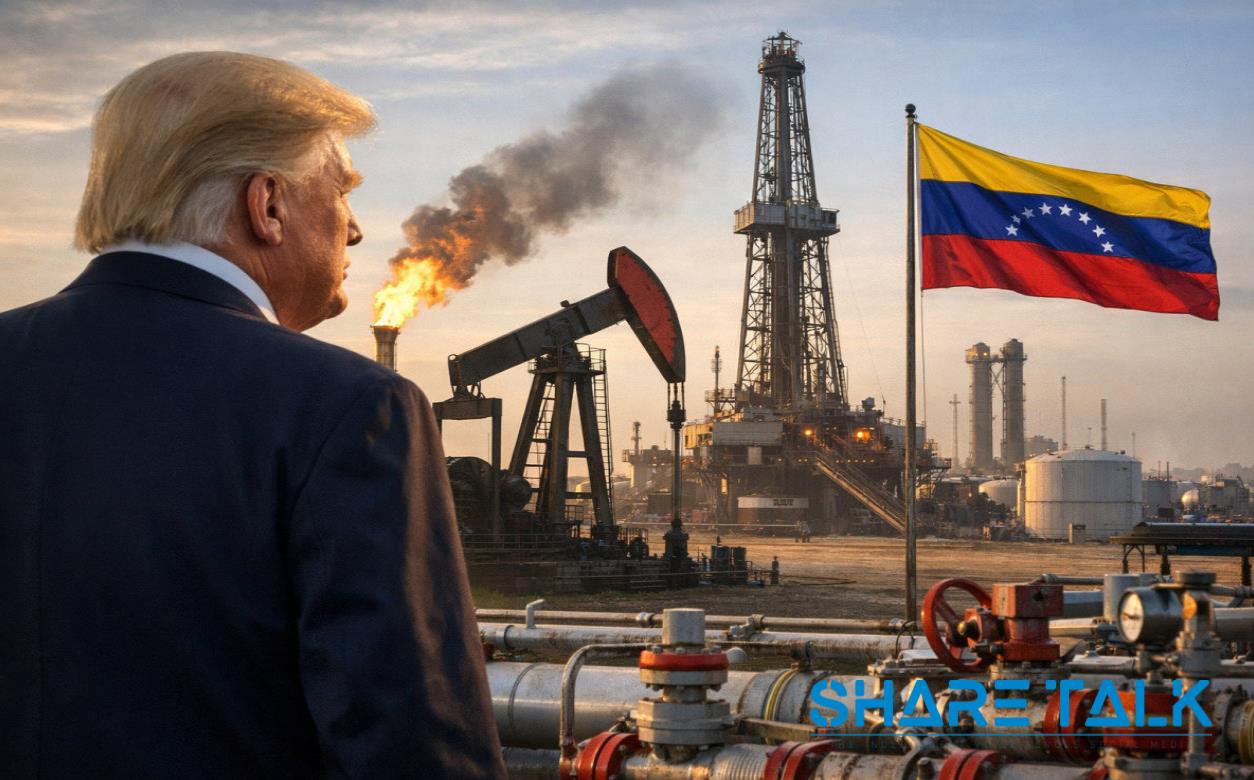
US Oil Giants Circle Venezuela Again as Washington Eyes a Post-Maduro Energy Reset
For the first time in years, Venezuela’s battered oil sector is back in the global conversation and Wall Street is paying attention.
Following the dramatic removal of Nicolas Maduro, the Trump administration has begun laying the groundwork for what could be a major shift in US–Venezuela energy relations. According to reports, senior US officials are preparing to meet with executives from America’s biggest oil companies to discuss how and whether, Venezuela’s oil industry can be brought back from the brink.
The news alone was enough to jolt markets into optimism, even as industry insiders urge caution.
Chevron Still Standing Alone
Despite Venezuela holding the world’s largest proven crude reserves, only one American major is currently operating there.
Chevron remains the sole US oil giant exporting Venezuelan crude, shipping roughly 150,000 barrels per day to refineries along the US Gulf Coast. Its continued presence is widely seen as a legacy of carefully negotiated sanctions waivers and long-standing infrastructure on the ground.
Other US majors haven’t been so lucky.
Exxon Mobil and ConocoPhillips both operated in Venezuela before their projects were nationalised under Hugo Chávez. Those takeovers, which redefined Venezuela’s relationship with foreign investors, pushed both companies out and left behind unresolved legal claims for restitution that still hang over any future return.
Washington Signals Intent, But Details Are Murky
The Trump administration’s message has been bold, if not entirely clear.
While President Donald Trump has spoken publicly about rebuilding Venezuela’s oil sector, even floating the idea of government subsidies to help US firms restore damaged infrastructure, oil executives say formal talks have yet to happen.
According to multiple industry sources, Exxon Mobil, ConocoPhillips and Chevron have not held direct discussions with the White House about operating in Venezuela, either before or after Maduro’s removal.
A White House spokesperson, Taylor Rogers, struck a confident tone, saying US oil companies are “ready and willing to make big investments” to rebuild infrastructure that she described as having been destroyed under Maduro’s rule.
Behind the scenes, however, timing and coordination remain sensitive. Trump himself admitted that oil firms were aware of contingency planning but were not informed in advance of the military operation that led to Maduro’s capture.
A Meeting, With Limits
Executives from the three major companies are expected to meet with US Energy Secretary Chris Wright later this week. But even that meeting comes with constraints.
Strict anti-trust regulations mean companies cannot collectively discuss investment levels, production targets or timelines. Each firm will have to approach Venezuela on its own terms, legally, commercially and politically.
That fragmentation could slow progress at a time when Washington appears eager to move fast.
Markets Like the Idea, For Now
Investors, at least, seem encouraged.
Following reports of potential US re-engagement in Venezuela, the S&P 500 energy index climbed to its highest level since March 2025. Shares in Exxon Mobil rose 2.2%, while Chevron surged 5.1%, reflecting optimism that Venezuelan barrels could one day help ease global supply pressures.
In energy markets, sentiment often moves faster than reality and this case is no exception.
The Hard Reality on the Ground
Analysts warn that reviving Venezuela’s oil industry will be anything but straightforward.
Years of underinvestment, crumbling infrastructure, skilled worker shortages and political uncertainty have left production capacity severely weakened. Sanctions may be easing in spirit, but legal disputes, unresolved compensation claims and questions around governance remain major obstacles.
Even with political backing from Washington, restoring output to meaningful levels would take years, not months.
A Symbolic Return or a Long Road Back?
For many Venezuelans, oil has always symbolised both promise and betrayal. The prospect of US companies returning revives memories of a time when oil revenues sustained the economy, but also fears of renewed foreign dominance over national resources.
For the Trump administration, Venezuela represents a strategic prize: vast reserves, geopolitical leverage and a chance to reshape Latin American energy politics.
For US oil companies, the opportunity is real, but so are the risks.
As talks begin and markets speculate, one thing is clear: Venezuela’s oil story is far from over. Whether this moment marks a genuine revival or another false start will depend on how politics, law and capital collide in the months ahead.
{Source: The Diplomatic Insight}
Follow Joburg ETC on Facebook, Twitter , TikTok and Instagram
For more News in Johannesburg, visit joburgetc.com