News
Why South Africa’s veld fires are raising fears of organised sabotage
When fires stop looking accidental
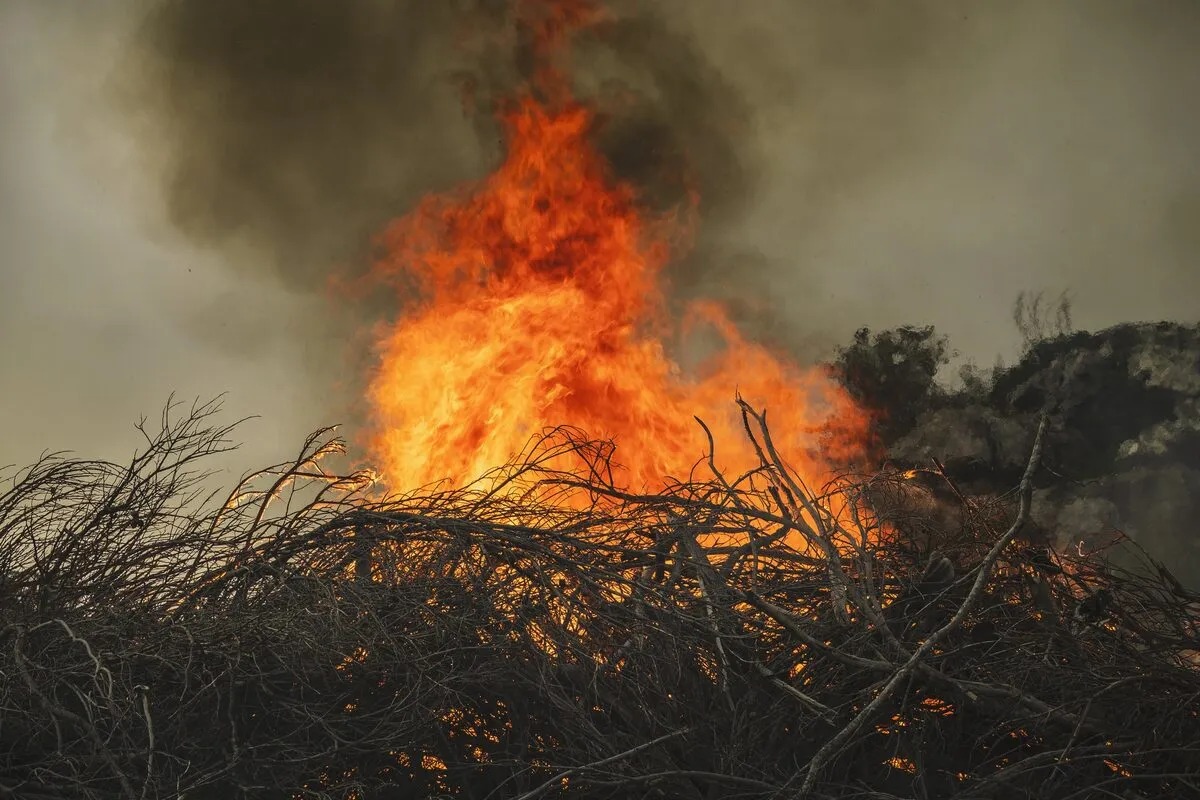
Across South Africa’s rural heartland, veld fires are no longer being spoken about as seasonal misfortune or bad luck. A growing number of security specialists now believe that some of these blazes are being started deliberately, using simple but calculated methods that make them difficult to trace.
According to security and explosives mitigation specialist Jimmy Roodt, the pattern of repeated fires in farming areas is beginning to resemble organised intimidation rather than isolated criminal acts. His warning comes amid mounting concern that low-tech delayed ignition devices are being used to spark fires hours after being placed, allowing perpetrators to disappear long before flames appear.
Simple tools. Serious damage.
What makes the situation unsettling is how basic these devices are. Images circulating on social media in recent weeks show homemade match-based mechanisms designed to smoulder slowly before igniting dry grass and vegetation. They are easy to assemble, cheap to deploy, and devastatingly effective.
Because of the delay between placement and ignition, linking a fire to a specific time, vehicle, or individual becomes extremely difficult, especially in remote farming districts where surveillance is limited. By the time smoke is visible, the evidence trail has often gone cold.
Fear, disruption, and a bigger motive
Security analysts say arson in rural areas is not always about destruction alone. Fires can be used to intimidate farmers, destroy grazing land, damage fencing and infrastructure, or even distract from other crimes such as cable theft. Livestock losses and damaged crops quickly translate into financial strain for already pressured farming communities.
Roodt warns that when fires are set repeatedly in the same areas, the intent shifts. It becomes about disruption, fear, and economic destabilisation. He argues that this pattern aligns with low-level terrorism rather than random vandalism, particularly when rural economies and food production systems are targeted.
Why this matters beyond the farm gate
Veld fires already cause enormous damage every year, wiping out grazing land, crops, biodiversity, and homes. Communities are displaced, animals are lost, and food supply chains are under strain. While lightning does account for some fires, human activity remains the leading cause.
The concern now is that South Africa is entering a period of heightened social instability. International risk assessments from major insurers have flagged rising risks of unrest through 2026, driven by economic pressure, inequality, and political tension. In that context, rural sabotage takes on a much broader meaning.
Food security is not an abstract concept. When grazing land burns and crops are destroyed, the knock-on effects are felt in local markets, butcheries, and household budgets.
Calls for a stronger response
Experts are urging that any recovered ignition devices be treated as forensic evidence, not dismissed as bush debris. Patterns should be analysed, and investigations escalated when fires appear linked to intimidation or organised disruption.
For farmers and rural residents, vigilance has become essential. Firebreaks, early reporting, and community coordination remain critical, but many believe a stronger law enforcement focus is now overdue.
As one farmer commented on social media after yet another blaze tore through grazing land, these fires no longer feel like accidents. They feel like a message.
Follow Joburg ETC on Facebook, Twitter, TikT
For more News in Johannesburg, visit joburgetc.com
Source: The Citizen
Featured Image: NovaNews