News
‘Oil Heist’ or Energy Strategy? What Trump’s Venezuela Oil Announcement Really Means
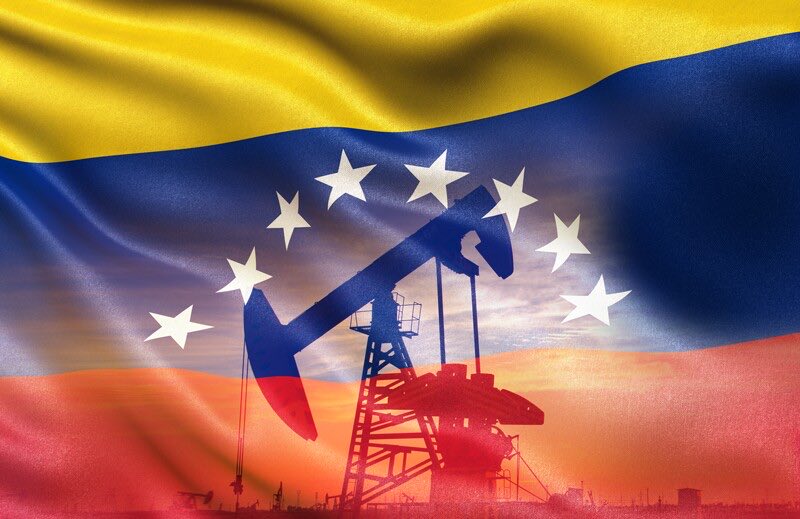
Oil Heist or Energy Play? Inside Trump’s Venezuela Oil Announcement
A stunning announcement with shockwaves on markets and social media
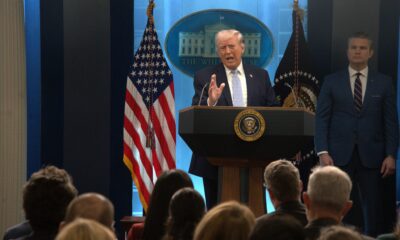
U.S. President Donald Trump dropped a bombshell this week that has the oil market and political commentators buzzing: Venezuela is set to “turn over” between 30 million and 50 million barrels of oil to the United States, a move he says will benefit both countries.
The claim, posted on Trump’s Truth Social platform, comes in the wake of dramatic developments in Venezuela, including the U.S. military operation that captured President Nicolás Maduro last weekend, an action that has raised eyebrows across the world.
Oil prices tumbled shortly after the announcement, with benchmark U.S. crude sliding more than 1% as traders digested the potential shift in supply dynamics.
What Trump said and what it means
Trump posted that interim Venezuelan authorities will hand over 30 million to 50 million barrels of sanctioned oil to the United States, which will be sold at market prices. He claimed that he, as president, would “control” the proceeds to ensure the funds benefit both Venezuelans and Americans.
Breaking the announcement down:
-
The oil will come from Venezuela’s stockpiles or shipments that had been blocked from export.
-
It will be loaded onto storage ships and delivered directly to U.S. ports.
-
Energy Secretary Chris Wright has been tasked with executing the plan immediately.
At roughly $56 a barrel, the transfer could represent nearly $2 billion worth of crude, though analysts point out that Venezuela currently produces far less oil than it once did.
A market reaction, but muted
Despite the size of the figures involved, oil markets reacted with a sell-off rather than a surge. Traders appear cautious, interpreting the move as a signal of abundant supply rather than a tightening market.
This response isn’t surprising given that Venezuela’s current production, around 1 million barrels per day is a fraction of what it once was and still influenced by years of underinvestment and sanctions.
Still, redirecting stalled barrels from Venezuela to U.S. refineries could ease near-term supply concerns, which is exactly what markets are pricing in.
Public reaction: strategic gain or geo-economic grab?
Social media responses, especially on platforms like Reddit, illustrate a fractured public mood:
-
Some conservatives welcomed the move as smart energy policy, highlighting that U.S. oil imports have dropped sharply in recent years and pointing to this as a strategic win.
-
Others accused Trump of benefiting politically or worse, by saying he would “control the money” from the sales.
Across policy forums and socioeconomic networks, critics have framed the announcement as a form of economic coercion, arguing it resembles an “oil tribute” more than a legitimate commercial arrangement.
Internationally, concerns are broader still: if oil can be redirected this way following a military operation, what does that mean for sovereignty and global norms?
Geopolitics beneath the surface
This is not just an energy story it’s geopolitics. Having the world’s largest proven oil reserves did not translate into easy leverage for Venezuela in recent decades, partly due to sanctions and deteriorating infrastructure.
Now, with U.S. forces having taken control of Caracas’s power structures and pressing for wider access to Venezuelan oil, the global balance of energy influence feels unsettled. Trump has also signaled interest in bringing American oil companies into Venezuela’s oil patch after years of expulsion.
It’s a dramatic pivot one that critics say prioritizes geopolitical gain over regional sovereignty, while supporters frame it as a bold restructuring of supply lines.
Where things go from here
For the oil market, experts expect ongoing volatility. A one-time transfer of barrels isn’t a long-term supply solution, especially given Venezuela’s production challenges and sanctions history.
Politically, the announcement complicates global diplomatic threads, especially with China, historically Venezuela’s largest oil buyer and other nations wary of unilateral resource control.
Whatever your view, one thing is clear: oil remains central to power in the 21st century, and moves like this remind the world that energy policy and geopolitics are inseparable.
{Source: IOL}
Follow Joburg ETC on Facebook, Twitter , TikTok and Instagram
For more News in Johannesburg, visit joburgetc.com