News
Venezuela Warns of Imminent US Attack as Caribbean Tensions Surge
A fresh wave of tension has erupted between Washington and Caracas, and this time the warnings from Venezuela have taken on a sharper, more urgent tone. Official leaders in Caracas say the United States is preparing to strike. Washington insists it is fighting drug trafficking. Yet the facts unfolding in the Caribbean tell a story of a region holding its breath.
A confidential phone call that sparked new questions
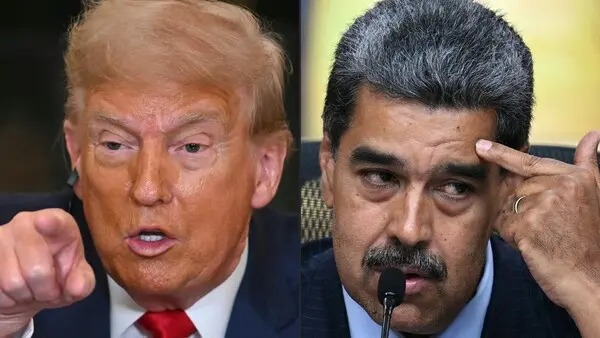
US President Donald Trump confirmed that he recently spoke with Venezuelan leader Nicolas Maduro. He gave little away about the tone of the conversation. He told reporters it was simply a phone call, not a good one or a bad one.
American media outlets, however, reported more intrigue behind the scenes. Some said Trump and Maduro discussed a possible meeting. Others claimed the call explored the idea of amnesty if Maduro agreed to step down. A US senator told CNN that Washington had even suggested options for Maduro to leave Venezuela for Russia or another country.
Both governments have avoided confirming what was actually said. The secrecy has only added to the sense of uncertainty.
The military buildup that has everyone talking
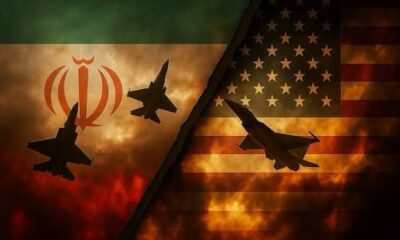
For months, Venezuelan officials have sounded the alarm about an expanding US military presence in the region. American aircraft have been flying near Venezuelan shores. The United States has deployed its largest aircraft carrier to Caribbean waters. Fighter jets and bombers have also been active around the area.
Washington maintains that the mission is aimed at stopping drug trafficking. It has accused Maduro of leading what it calls the Cartel of the Suns and has posted a fifty-million-dollar reward for his capture. Venezuela and its allies firmly reject these claims and argue that the cartel does not exist. Analysts say the term is used to describe corruption among certain officials rather than an organised cartel.
What troubles Caracas most is the belief that the US objective is regime change. Venezuelan leaders say the pattern of military exercises feels less like anti-trafficking operations and more like preparation for an intervention.
Deadly air strikes raise global concern
Since September, US air strikes in the Caribbean Sea and eastern Pacific have targeted boats allegedly involved in drug trafficking. At least eighty-three people have been killed.
Serious allegations have since emerged about a September strike that was reportedly followed by a second hit on survivors. US news outlets said the former defence secretary had given an instruction to kill everyone. Trump has denied that such an order was issued and said he intends to look into the matter further.
In Venezuela, the reaction has been swift. Jorge Rodriguez, head of the national legislature, met with families of victims who died in the strikes. He said that without a declared war, such actions amount to murder or extrajudicial killings.
Oil, OPEC, and a plea for help
Venezuela has turned to the Organisation of the Petroleum Exporting Countries for support. In a letter read by Vice President Delcy Rodriguez during a virtual OPEC meeting, Maduro accused the United States of trying to seize Venezuela’s vast oil reserves through military force. Venezuela holds some of the largest proven oil reserves in the world.
The leadership believes that the US military presence is not only about narcotics. They argue it is also about gaining influence over an oil-rich nation during a moment of political weakness.
Life on the ground amid rising fear
Despite escalating warnings, daily life in Venezuela has not come to a standstill. The airport in Caracas continued to operate normally over the weekend. Yet six international airlines have suspended flights to the country, a sign of how fragile the security situation has become.
On social media, Venezuelans have expressed exhaustion, fear, and anger. Many say they feel caught between superpower politics. Others argue that the country has known decades of pressure from abroad and that this feels like another chapter in a long struggle for sovereignty.
Where this story may go next
Trump has hinted that efforts to stop Venezuelan drug trafficking by land could begin soon. Maduro’s government reads this as a signal of an approaching confrontation. The United States does not recognise Maduro’s presidency and continues to increase economic and political pressure.
For now, both countries insist they are seeking stability. Yet the mix of military buildup, leaked details, public warnings, and secret phone calls tells a more unsettling story. The coming weeks may determine whether this remains a standoff or becomes something far more dangerous.
Follow Joburg ETC on Facebook, Twitter, TikT
For more News in Johannesburg, visit joburgetc.com
Source: IOL
Featured Image: Al Arabiya