Courts & Legal
Ocean on the line as West Coast fishers await crucial oil drilling ruling
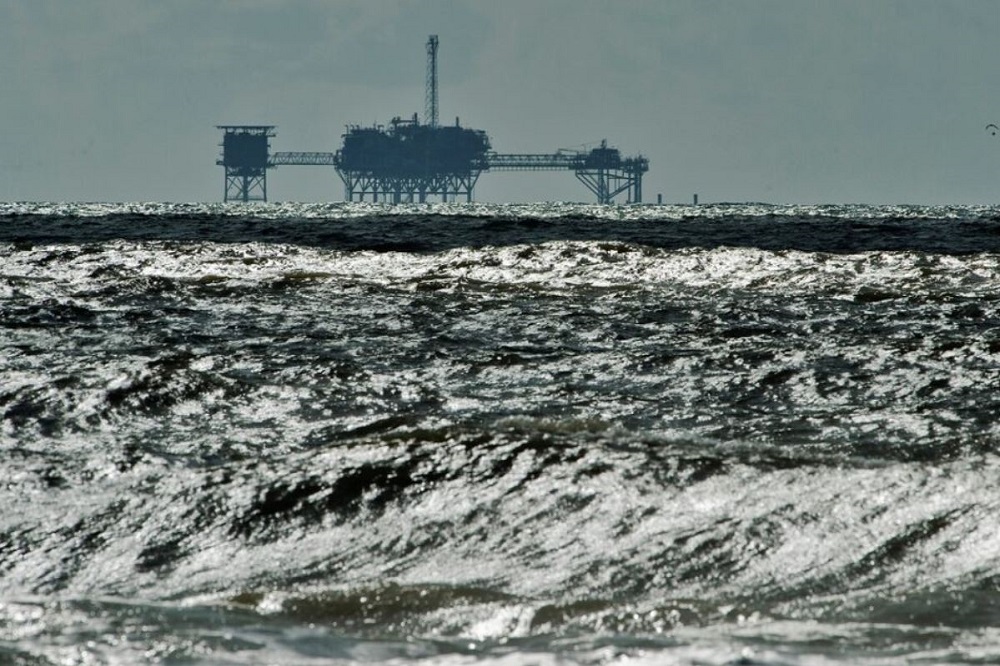
For many coastal families along South Africa’s West Coast, the sea is not just scenery. It is survival. So when plans for ultra-deepwater oil and gas drilling moved forward offshore, it was only a matter of time before the issue reached the courts.
This week, the Western Cape High Court heard arguments from eco-justice organisations and a small-scale fishing cooperative, all challenging the approval of a major offshore drilling project in the Deep Western Orange Basin. The court has now reserved judgment, leaving fishing communities waiting for a decision that could shape their future.
Why fishers are pushing back
At the heart of the case is a simple but urgent concern. Fishers say their livelihoods are already under strain. Declining fish stocks and the visible effects of climate change have made it harder to earn a living from the ocean.
Now, they argue, offshore drilling introduces a new layer of risk that was not properly assessed.
Communities such as Port Nolloth have become central to the conversation. Local voices say decisions made far from the coast are overlooking the daily realities of people who depend on fishing for food and income. For them, this is not an abstract environmental issue. It is about putting meals on the table.
Protests spill beyond the courtroom
While legal teams debated inside, the streets outside told their own story. Fishers, activists, and civil society groups gathered in protest, calling for the project’s approval to be overturned.
Similar solidarity actions took place in parts of the Eastern Cape and KwaZulu-Natal, showing how widely the issue resonates beyond a single province. In Durban, community groups even handed over a memorandum raising concerns about broader oil and gas developments.
On social media, the conversation has been just as active. Many South Africans have expressed support for small-scale fishers, framing the issue as a question of fairness. Others, however, have pointed to the country’s economic pressures, arguing that energy development could bring much-needed jobs.
A deeper legal argument
The case goes beyond environmental concerns alone. Applicants argue that the approval process failed to properly consider constitutional and cultural rights tied to fishing communities.
They believe the environmental assessment did not fully account for the risks linked to such deepwater drilling, which presents technical challenges not previously faced in South Africa.
There is also a broader accusation. That decision-makers placed corporate interests ahead of vulnerable communities that rely on the ocean for survival.
The other side of the debate
Not everyone sees the issue in purely environmental terms. Some voices are calling for balance.
There is an argument that economic development, including oil and gas exploration, could help address unemployment and restore dignity through job creation. From this perspective, the challenge is not whether development should happen, but how to ensure it does not come at the expense of people or the environment.
Suggestions of mediation have also surfaced, with some calling for dialogue between communities, government, and industry rather than prolonged court battles.
What happens next
With judgment now reserved, the future of the project hangs in the balance. For fishing communities, the wait is heavy with uncertainty.
What is clear, however, is that this case has opened a wider conversation about South Africa’s development path. It raises a difficult question that will not disappear anytime soon.
How does a country balance economic growth with environmental protection, while ensuring that the voices of its most vulnerable communities are not lost in the process?
For the fishers along the West Coast, the answer is deeply personal. The ocean has always provided. Now, they are asking whether it will be protected.
Follow Joburg ETC on Facebook, Twitter, TikT
For more News in Johannesburg, visit joburgetc.com
Source: IOL
Featured Image: Central News South Africa