News
Western Cape Faces a Tough Summer of Fires and Water Shortages
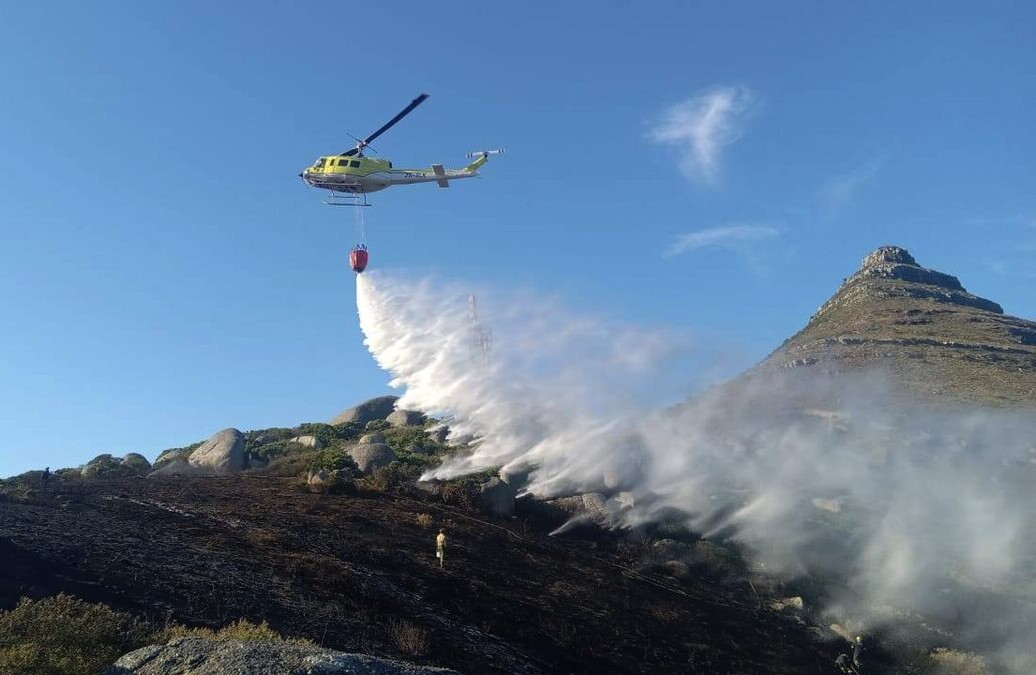
As the festive season dust settles, the Western Cape is staring down one of its most demanding summers in years. Long days of heat, dry winds, and stubbornly low rainfall have combined to stretch emergency services and place water supplies under serious pressure, particularly along the Garden Route.
At a recent high-level meeting with municipal leaders, Anton Bredell did not sugarcoat the situation. The province is already deep into an intense fire season, with conditions pointing to months more of elevated risk.
Fires burning earlier and harder than usual
This summer has already proven more aggressive than last year. The province has authorised double the number of aerial firefighting callouts compared to the same point in the previous season, a clear signal that the threat is escalating rather than easing.
Around 90,000 hectares have burned so far. While 45 structures have been damaged, the absence of fatalities or serious injuries has been widely described by officials as nothing short of remarkable, given the scale of the fires.
R15 million has already been committed to aerial firefighting, with further funding on the table should the season drag beyond March. Weather forecasts continue to show persistently hot and dry conditions, meaning crews remain on high alert well past the usual peak months.
Garden Route water supplies under strain
Beyond the smoke, an equally worrying issue is unfolding quietly in taps and reservoirs. Several Garden Route municipalities are edging closer to critical water shortages.
Langeberg is among the hardest hit. The Dassieshoek Dam is sitting at just 2 percent, while the Kooskok Dam is at 9 percent. Emergency upgrades have been made to pump stations to draw more water from the Brandvlei Dam, but officials concede this is a temporary buffer rather than a long-term fix.
In Knysna, projections show the town has roughly 13 days of water left at current usage levels, based on the Akkerkloof Dam. The brighter spot is the Glebe Dam, which remains about 70 percent full and can help stabilise supply. Boreholes and natural springs are also being connected to the municipal network to buy more time.
What happens if things get worse
Municipal plans are already shifting into contingency mode. In extreme scenarios, water supply may be throttled in specific zones to manage pressure. Higher-lying areas, where taps are often the first to run dry, will see water tanks installed to ensure basic access.
Potable water tankers have also been positioned across the district, ready to move if reservoirs drop faster than expected.
Bitou Municipality is facing its own challenge, with severely restricted inflow from its main water source. In response, its desalination plant has been activated, and discussions are underway to bring additional boreholes into the system.
Why this matters beyond summer
Locals across the Western Cape will recognise the echoes of past drought years, and the public reaction online has been swift. Social media discussions are already filled with calls for stricter water discipline, frustration over waste, and concern that climate patterns are shifting faster than infrastructure can adapt.
Officials are urging residents and visitors alike to stick to existing water restrictions. The message is clear: small daily choices now could prevent harsher measures later.
This summer is shaping up as a stress test for how the province balances climate pressure, growing populations, and ageing infrastructure. While emergency responses are in place, the weeks ahead will depend heavily on responsible water use and a bit of cooperation from the weather itself.
Follow Joburg ETC on Facebook, Twitter, TikT
For more News in Johannesburg, visit joburgetc.com
Source: IOL
Featured Image: NovaNews