
News
Western Japan Hit by Strong Earthquake as Safety Measures Kick In
A sudden jolt across western Japan
Residents across western Japan were jolted awake on Tuesday morning when a strong earthquake struck just after 10.18 am local time. The epicentre was in Shimane prefecture, according to the Japan Meteorological Agency, with the quake recorded at a shallow depth that intensified the shaking felt on the surface.
The agency measured the quake at magnitude 6.2, while readings from the US Geological Survey were slightly lower. In the city of Yasugi, the shaking reached upper five on Japan’s Shindo scale, a level where heavy furniture can topple and driving becomes difficult.
Despite the strength of the tremor, no tsunami warning was issued, and early assessments found no major structural damage.
Aftershocks and swift safety checks
Not long after the main quake, the same region experienced a series of smaller aftershocks. These ranged from moderate to light and again triggered no tsunami alerts. Authorities urged residents to remain alert, a familiar instruction in a country where seismic activity is part of daily life.
Public broadcaster NHK reported that safety inspections at the Shimane nuclear plant found no abnormalities. This reassurance mattered, especially in a nation where memories of Fukushima still shape public anxiety around earthquakes and nuclear safety.
Transport disruptions raise questions
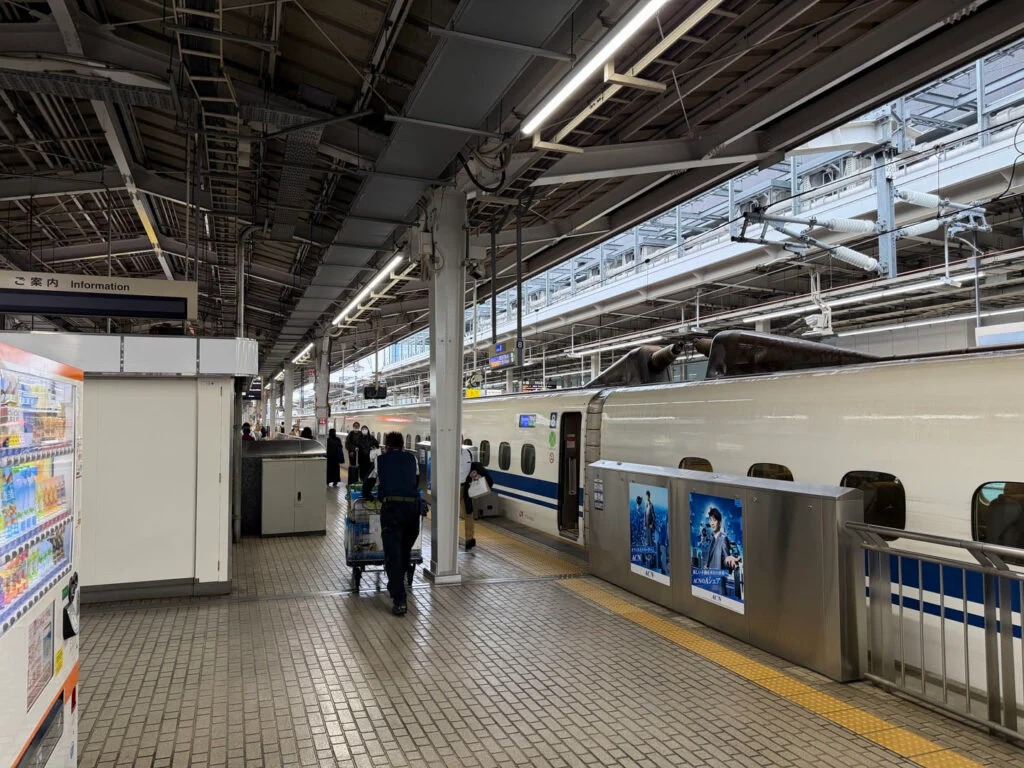
Parts of the Shinkansen bullet train network were temporarily suspended following a power blackout, according to operator JR West. At the time, it was not clear whether the outage was directly linked to the quake, but the pause was enough to spark concern and social media chatter from commuters caught mid-journey.
The military also stepped in, launching an aerial damage assessment and setting up a disaster response liaison office as a precaution.
Government calls for calm and vigilance
Prime Minister Sanae Takaichi addressed the nation shortly after, saying the government was gathering information and urging people in affected areas to stay cautious in case of further strong tremors.
Her message echoed a well-worn rhythm in Japan. Calm reassurance paired with constant readiness.
Why earthquakes loom large in Japan
Japan sits atop four major tectonic plates along the Pacific Ring of Fire, making it one of the most earthquake-prone countries in the world. Around 1,500 tremors are recorded every year, most of them minor, though their impact depends heavily on depth and location.
The shadow of 2011 still hangs over every major quake. That devastating undersea earthquake and tsunami claimed around 18,500 lives and reshaped Japan’s disaster planning, energy policy, and public consciousness.
More recently, government advisories about a potential megaquake along the Nankai Trough have kept seismic risk firmly in the spotlight. Past warnings have even triggered panic buying and travel cancellations, showing how deeply the fear of the next big one runs.
A familiar test of preparedness
This latest earthquake, while powerful, became another reminder of Japan’s layered approach to disaster readiness. Rapid assessments, transparent communication, and cautious public messaging helped prevent panic.
For many residents, the relief came not from the shaking itself, but from what did not happen. No tsunami. No major damage. No nuclear incident.
In a country that lives with the earth constantly shifting beneath its feet, that counts as a small but meaningful victory.
Follow Joburg ETC on Facebook, Twitter, TikT
For more News in Johannesburg, visit joburgetc.com
Source: IOL
Featured Image: BusinessTech


