News
Zulu king pushes to drop ‘Natal’ from province’s name, sparking fierce cultural debate
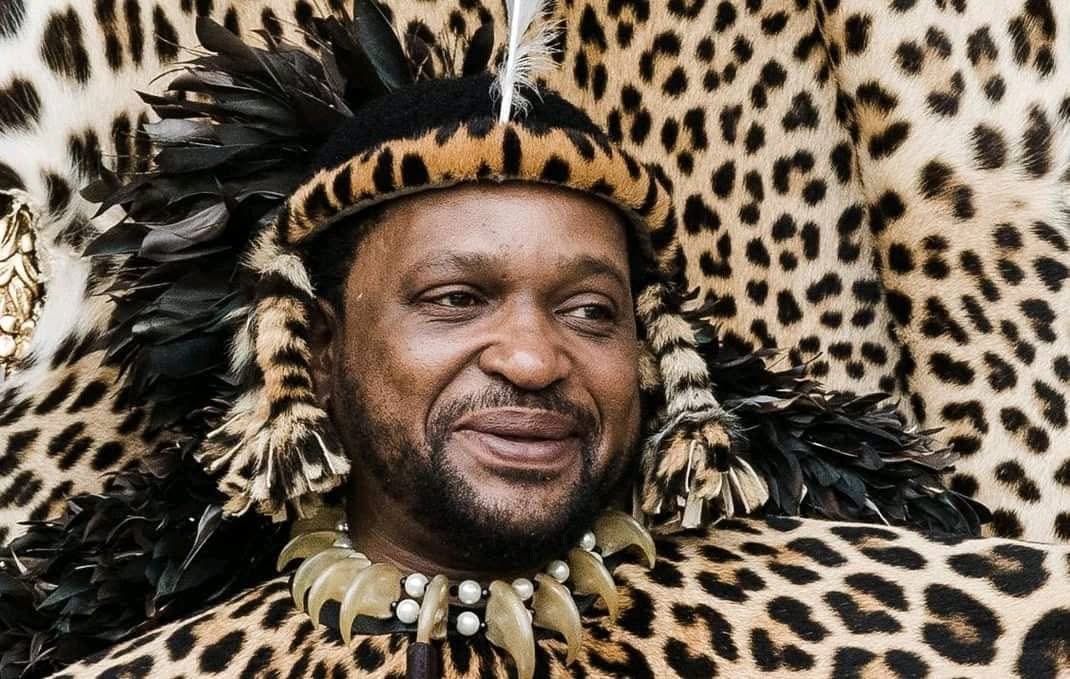
Zulu king pushes to drop ‘Natal’ from province’s name, sparking fierce cultural debate
A long-simmering debate over identity and history has flared up again in KwaZulu-Natal, after King Misuzulu kaZwelithini announced plans to campaign for the province to be renamed KwaZulu, removing “Natal” entirely.
The call, made during the 147th commemoration of the Battle of Isandlwana in Nquthu, was met with applause from some traditional supporters and immediate pushback from historians, cultural analysts and political commentators who warn the move could fracture social cohesion.
The king’s case: reclaiming pre-colonial identity
Addressing crowds at the historic site last Thursday, King Misuzulu argued that the name “Natal” is a colonial imposition, asserting that before colonisation, the land was known as KwaZulu and formed part of the Zulu kingdom.
From this perspective, dropping “Natal” would be an act of cultural restoration a symbolic undoing of colonial renaming that still shapes South Africa’s map centuries later.
The call taps into a broader national conversation around place names, statues and historical memory, where communities continue to grapple with how and whether to rewrite symbols inherited from colonial and apartheid eras.
Historians push back on the narrative
However, cultural analyst Professor Musa Xulu strongly disputes the king’s historical framing, calling the proposed renaming “a travesty of cultural justice” and an expression of unearned cultural dominance.
According to Xulu, there was never a time when the entire province was called KwaZulu. He notes that the region’s history is far more complex, dating back to 1497, when Portuguese explorer Vasco da Gama arrived at Durban harbour and named the area Natal, meaning “birth” a reference to the birth of Christ.
At that time, Xulu explains, the area was home to multiple kingdoms, including the AmaLala, and not a unified Zulu state. The Zulu kingdom itself was only consolidated centuries later under King Shaka, and even then did not include all territories south of the uThukela River.
Two neighbours, not one
Xulu adds that by the mid-1800s, Natal and KwaZulu existed as separate neighbouring entities. Natal became a British colony in 1843, after earlier Boer control, while KwaZulu referred specifically to the Zulu kingdom north of the uThukela.
KwaZulu ceased to exist as a separate territory in 1897, when it was incorporated into Natal.
“The 1994 renaming to KwaZulu-Natal wasn’t arbitrary,” Xulu argues. “It was a deliberate reunion of two historical neighbours, acknowledging both African and colonial histories.”
From this view, the current provincial name reflects layered identities, rather than privileging one narrative over others.
Fears of cultural exclusion
Political analyst Professor Ntsikelelo Breakfast echoed these concerns, warning that renaming the province after a single cultural group could be dangerous in a diverse society.
KwaZulu-Natal is home to multiple cultural communities, languages and histories and critics argue that elevating one identity above others risks undermining post-apartheid ideals of unity and inclusivity.
Online, the debate has been intense. Some social media users have backed the king’s call as long-overdue cultural correction, while others accuse the proposal of rewriting history to suit modern politics.
The defence: majority and monarchy
King Misuzulu’s spokesperson, Prince Thulani Zulu, has firmly defended the proposal, insisting the king’s position reflects demographic and cultural realities.
KwaZulu-Natal, he said, is the only province with a single king, and Zulu is the most widely spoken language in the region.
“Zulus are the majority here,” he said. “So what is wrong with renaming the province KwaZulu?”
A debate far from over
What is clear is that the name KwaZulu-Natal carries more than just letters on a map, it carries centuries of conquest, coexistence, conflict and compromise.
As South Africa continues to negotiate its identity nearly three decades into democracy, the question remains: should history be simplified, reclaimed, or preserved in all its complexity?
For now, the king is forging ahead and the province is once again at the centre of a national conversation about who gets to name the land, and why.
{Source: IOL}
Follow Joburg ETC on Facebook, Twitter , TikTok and Instagram
For more News in Johannesburg, visit joburgetc.com