News
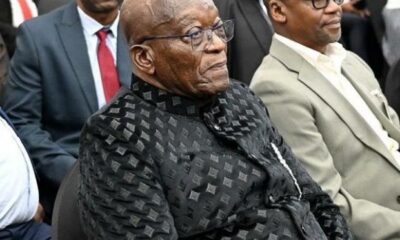
Jacob Zuma Foundation dismisses Epstein dinner claims as smear campaign
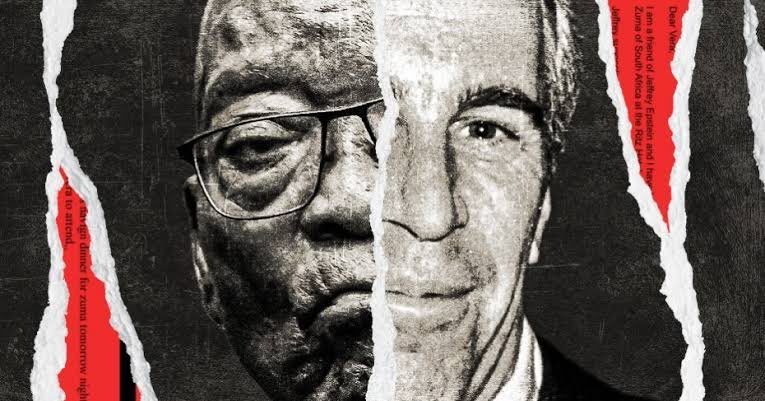
A dinner from 2010, a controversy in 2026
More than a decade after Jacob Zuma’s official visit to the United Kingdom, a single dinner reservation has thrust the former president back into a global controversy and his foundation is pushing back hard.
Freshly released documents from the so-called Epstein files have reignited questions about who dined with whom during Zuma’s March 2010 state visit to London. The Jacob Zuma Foundation insists the renewed focus is nothing more than a calculated smear, built on emails and insinuation rather than evidence of wrongdoing.
What the documents say
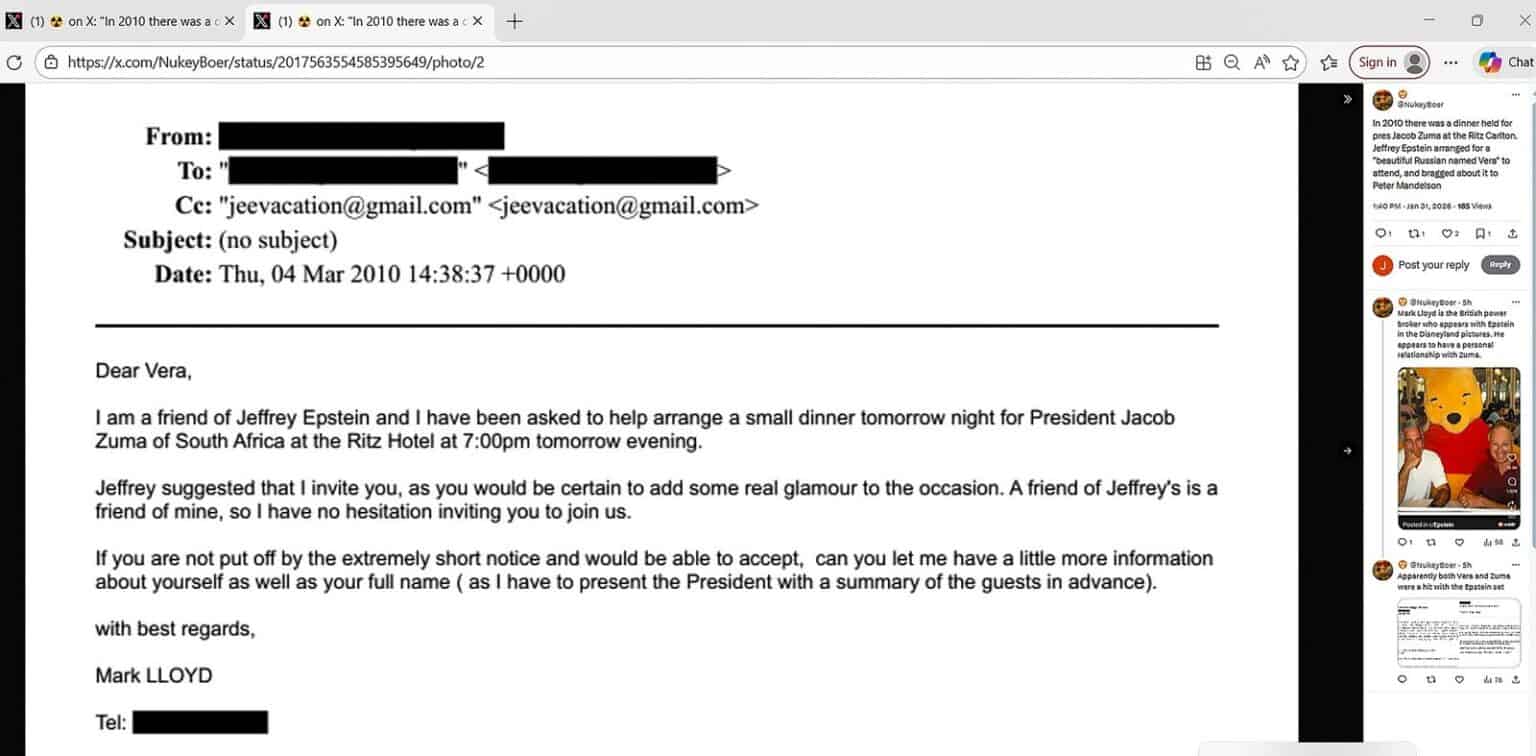
Zuma was in the UK from 3 to 5 March 2010 on a formal state visit, invited by Queen Elizabeth II. According to emails now circulating from a massive document dump by the US Department of Justice, plans were made for a private dinner at the Ritz Hotel during that visit.
The correspondence links the dinner to Jeffrey Epstein, the late financier and convicted sex trafficker, through a third party who described himself as a friend of Epstein. The emails suggest the gathering was small and included Zuma, Epstein and a Russian model based in London at the time.
Later messages praised the model’s presence and commented on Zuma’s demeanour, describing him as more measured than his public image suggested. Another exchange referenced a planned private meeting with Zuma shortly after the dinner.
No allegations, just association
Crucially, the documents do not accuse Zuma of any criminal or improper conduct. They offer no claim of illegal activity only evidence that the dinner was arranged and took place during a tightly scheduled diplomatic visit.
That distinction is central to the Zuma Foundation’s response. Spokesperson Mzwanele Manyi described the reporting around the emails as “agenda-driven journalism”, arguing that Zuma is being judged through guilt by association rather than facts.
“At no point is any unlawful conduct alleged or proven,” Manyi said, adding that the foundation would not engage in “speculative narrative-building”. He insisted the matter should be considered closed.
Why this story hits a nerve locally
In South Africa, Zuma remains one of the most polarising political figures of the democratic era. For supporters, renewed scrutiny feels like a recycled attempt to discredit him. For critics, any link however indirect to Epstein raises uncomfortable questions about power, proximity and accountability.
On social media, reactions have followed familiar lines. Some users have accused international media of dragging South African politics into a global scandal without clear justification. Others argue that public figures should expect scrutiny, even years later, when new information surfaces.
The bigger Epstein picture
Zuma is far from the only high-profile name to appear in the Epstein files. The newly released documents reference a wide range of influential figures from politics, business and tech across the world. Inclusion in the files does not imply guilt, but it has reignited debate about how Epstein moved so easily among the global elite for years.
That context matters. The files are sprawling, often messy, and filled with third-party emails that capture proximity rather than proof. For readers, separating what is genuinely new from what is merely suggestive has become the real challenge.
A familiar question, still unanswered
For now, the Zuma Foundation’s position is clear: there is no scandal here, only recycled suspicion. Whether the public accepts that may depend less on the emails themselves and more on how much trust remains in political narratives, both local and global, shaped long after the dinner plates were cleared.
{Source: The Citizen}
Follow Joburg ETC on Facebook, Twitter , TikTok and Instagram
For more News in Johannesburg, visit joburgetc.com