An unlikely victory and a reminder that democracy still surprises
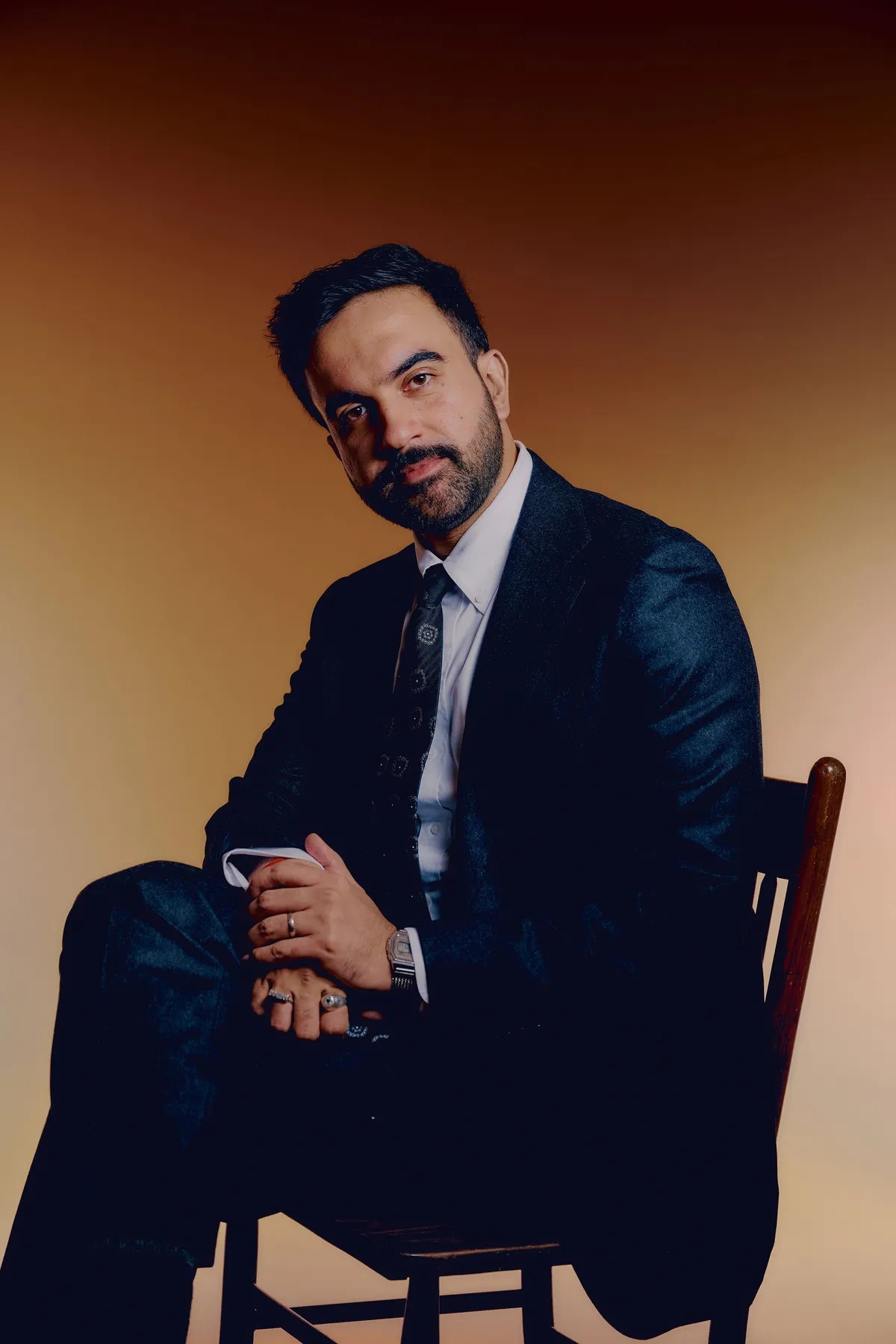
There’s something quietly extraordinary about Zohran Mamdani becoming mayor of New York City.
In an era where politics often feels scripted and polarised, his victory is a reminder of what democracy is supposed to do: surprise us. Long-shot candidates aren’t meant to win, until they do. And when they do, it forces everyone else to rethink what’s possible.
For many Americans, especially younger voters and minorities, Mamdani’s ascent feels personal. He doesn’t fit the traditional mould of political power, and that’s precisely why his win has sparked so much interest and anxiety, across the Democratic Party.
From “peak woke” to political backlash
To understand why Mamdani matters, you have to look back at where Democrats have been over the past decade.
Between roughly 2014 and 2023, peaking in 2020, the party leaned heavily into cultural politics often described as “wokeness.” Issues like defunding the police, expansive DEI programmes, and aggressive language policing became central to progressive identity.
That shift energised parts of the base, but it also alienated many voters who were otherwise open to the Democrats’ economic message. A sense of exclusion took hold, particularly among white working- and middle-class men, as well as culturally conservative minorities. Even within liberal institutions, resentment brewed over hiring practices and ideological conformity.
By the time Donald Trump returned to power in 2024 and launched an all-out assault on DEI, many Democrats quietly conceded that something had gone wrong.
Mamdani’s pivot: culture steps back, affordability steps forward
Mamdani himself was once firmly embedded in the rhetoric of the 2020 moment. In the aftermath of George Floyd’s murder, he supported cutting police funding and described the NYPD in stark, condemnatory terms.
But when he ran for mayor, something changed.
He apologised for earlier remarks, softened his approach to policing, and shifted his campaign’s centre of gravity. Cultural flashpoints were no longer the headline. Instead, Mamdani focused relentlessly on affordability the rising cost of living, housing pressure, and economic insecurity in one of the world’s most expensive cities.
Observers who had worked with him before weren’t surprised. Those close to Mamdani have long described him as pragmatic, attentive to moderates, and keenly aware that elections are won by addition, not ideological purity.
Gaza replaces wokeness as the left’s moral centre
Another turning point came after October 7.
For much of the American left, Gaza eclipsed domestic culture wars as the defining moral issue of the moment. Opposition to Israel’s war on Palestinians became a litmus test for progressive credibility more powerful than debates over language, representation, or campus politics.
On this issue, Mamdani didn’t hedge. He openly described Israel’s actions as genocide, a stance that resonated deeply with younger voters, Muslims, Arabs, and a growing number of disillusioned progressives.
It’s difficult to imagine Mamdani’s political momentum reaching the same heights without this shift. Gaza, more than any other issue, reframed what it meant to be “left” in the post-woke era.
Pragmatism without surrender
What makes Mamdani distinctive isn’t ideological rigidity, but selective firmness.
He is willing to compromise on many issues even retaining figures who don’t align neatly with progressive orthodoxy, while holding the line on two core commitments: economic justice and Palestine.
That balance allows him to appear both principled and practical. In today’s Democratic Party, that combination is rare and increasingly valuable.
For voters exhausted by symbolic politics but hungry for moral clarity, Mamdani offers something different: fewer slogans, clearer priorities.
A broader shift inside Democratic politics
This recalibration is playing out far beyond New York.
In Democratic primaries from San Francisco to Manhattan, Gaza has become a defining fault line. Candidates are now being openly pressed on whether they consider Israel’s actions genocidal and vague answers increasingly draw boos, not applause.
Notably, even long-standing Jewish Democratic figures have begun shifting their language, reflecting either genuine moral reconsideration or the hard realities of primary electorates that are overwhelmingly critical of the war.
What once would have been politically unthinkable is now, in many districts, politically necessary.
The post-woke moment
This doesn’t mean cultural liberalism has disappeared. In cities like New York, support for LGBTQ+ rights is largely assumed, not debated. Wokeness hasn’t vanished, it’s simply faded into the background.
What’s changed is what commands the spotlight.
Economic survival, moral clarity, and foreign policy accountability now matter more than performative cultural battles. For many voters, Gaza has become a proxy for a deeper question: what kind of moral actor should the United States be?
Why Mamdani’s model matters
There are limits to how transferable Mamdani’s approach is. New York is not the Midwest. But his victory signals something Democrats can no longer ignore.
The party doesn’t need to abandon progressivism to win, it needs to reorder its priorities. Mamdani’s rise suggests that a coalition built on economic populism and moral seriousness, rather than cultural scolding, may be far more durable.
For Democrats hoping to compete nationally, that lesson may be the most important takeaway of all.