Sports
Bahrain And Saudi Arabia F1 Races In Doubt As Middle East Conflict Escalates
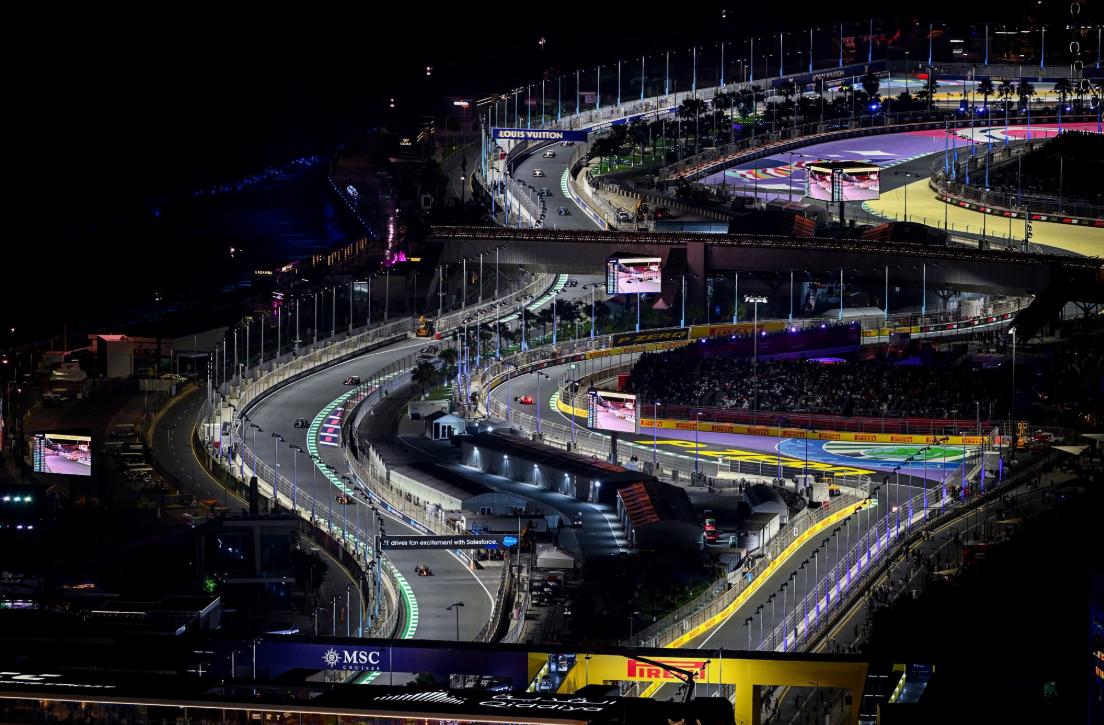
Formula 1’s upcoming races in Bahrain and Saudi Arabia could be in jeopardy as escalating conflict in the Middle East raises serious safety concerns for teams, staff and fans.
The two Gulf races are scheduled for next month as part of the 2026 Formula 1 calendar. However, the ongoing war between the United States, Israel and Iran has thrown the future of the events into uncertainty.
While no official cancellation has been announced yet, insiders suggest the situation is being closely monitored and that a final call could come within days.
Safety Concerns Cast Shadow Over Gulf Races
The primary issue facing organisers is the ability to guarantee safety for everyone involved in the events. That includes the Formula 1 teams, race officials, logistics crews and thousands of spectators expected to attend.
Motorsport analysts say the worsening geopolitical tensions have made planning extremely difficult.
Many of the teams competing in Formula 1 are based in the United Kingdom. The British government has issued travel advisories warning citizens against visiting parts of the region, which could complicate logistics for teams and their staff.
Insurance coverage is another major hurdle. If insurers determine the region is too risky, teams may not be allowed to travel or compete there.
As a result, there is growing speculation that the Bahrain and Saudi Arabian Grands Prix could be cancelled if safety assurances cannot be provided in time.
Financial Stakes Are Enormous
Although safety remains the top priority, there are also major financial implications tied to the decision.
Formula 1 races generate significant revenue through hosting fees, sponsorships, tourism and broadcasting deals. Each cancelled race could reportedly cost around $100 million.
Broadcast agreements also play a role. Television contracts generally require a minimum number of races in a season to maintain the value of the championship.
Still, the sport does have some flexibility. Even if both Gulf races are cancelled, the championship would remain valid as long as the calendar does not drop below the required number of events.
Possible Calendar Shake-Up
If the two races are removed from the schedule, Formula 1 is unlikely to replace them with alternative venues at short notice.
Reports suggest the championship calendar would simply shrink, leaving a longer break in the season.
Currently, the Japanese Grand Prix is set to take place from 27 to 29 March, followed by the Miami Grand Prix scheduled for 1 to 3 May. Without the Gulf races, that gap between events could stretch to nearly five weeks.
Middle East Races Still Planned For December
Despite the uncertainty surrounding the early-season Gulf races, Formula 1 still plans to return to the Middle East at the end of the season.
The final rounds of the championship remain scheduled for Qatar and Abu Dhabi in December, which traditionally host the closing stages of the campaign.
For now, the sport’s leadership is holding off on a final call. Formula 1 CEO Stefano Domenicali is expected to make a decision after this weekend’s Chinese Grand Prix, once the situation in the region becomes clearer.
Until then, the fate of two key races on the Formula 1 calendar hangs in the balance.
{Source:EWN}
Follow Joburg ETC on Facebook, Twitter , TikTok and Instagram
For more News in Johannesburg, visit joburgetc.com