Sports
From dusty streets to global stages: Lucas Radebe reflects on Bafana, family and the future of SA football
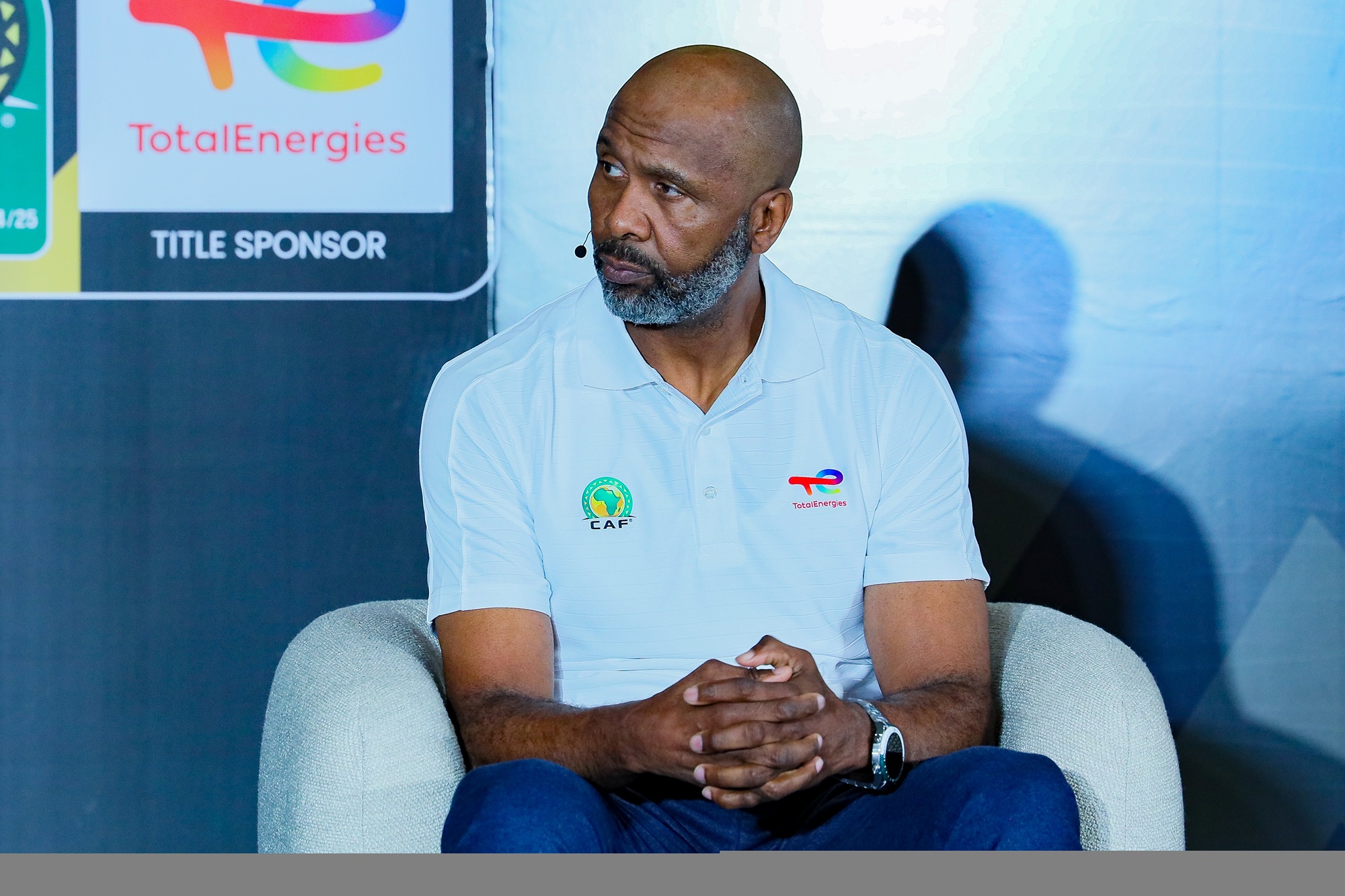
Long before packed stadiums, captain’s armbands and World Cup anthems, Lucas Radebe was just a six-year-old boy killing time after school in Diepkloof, Soweto, chasing a football until the sun dipped and the streets emptied.
That’s where the story really began.
Football as refuge in difficult times
Growing up during apartheid, township life came with danger, boredom and very few safe spaces for children. For Radebe and his friends, football became more than a game it was protection.
“Playing in the township sharpened my skills,” Radebe recalls. Tight spaces, broken ground and the constant need to keep the ball low shaped a generation of players who learned creativity before tactics.
Local clubs like Diepkloof Wolf Wanderers weren’t polished academies. They were survival tools ways to stay busy, stay focused and stay out of trouble. Those dusty fields laid the foundation for a career that would later take Radebe from Kaizer Chiefs to captaining Leeds United in the Premier League.
Wearing the badge when it mattered most
Radebe’s rise coincided with South Africa’s return to international football, a moment heavy with symbolism. By the time Bafana Bafana hosted and won the 1996 Africa Cup of Nations, players understood they were representing more than just a team.
Hosting Afcon shortly after democracy wasn’t just about football. It was about announcing South Africa’s return to the world. The presence of Nelson Mandela in the stands turned the tournament into something almost spiritual.
For Radebe, lifting the trophy wasn’t only for his generation it honoured players who never got the chance to shine internationally because of apartheid-era isolation.
A new chapter for Bafana Bafana
Fast forward to today, and Bafana Bafana are heading back to the FIFA World Cup for the first time since 2010 and their first qualification through the process since 2002.
Radebe sees hope, but also unfinished business.
He credits coach Hugo Broos and his technical team for restoring belief, structure and pride, while stressing that consistency in selections, planning and leadership remains the missing ingredient in South African football.
Fans online largely agree. Social media reactions to Bafana’s qualification have mixed excitement with cautious realism: pride in progress, but demands for sustainability.
Family before everything
Off the field, Radebe speaks with the same honesty. The loss of his first wife, Feziwe, in 2008 reshaped his life. Today, as a father and husband, family takes precedence.
Some of his children have followed creative and sporting paths including football trials abroad but Radebe says presence matters more than legacy.
Could “Rhoo” lead SAFA?
With growing calls for him to challenge long-serving SAFA president Danny Jordaan in 2026, Radebe isn’t dismissing the idea. Backed by football legends and supporter groups, many see him as a leader rooted in the game not politics.
“For everything, there is a season,” he says, choosing his words carefully.
And if Bafana Bafana were a person at a braai?
“They’d be me,” he laughs, “with all kinds of meat on the fire.”
A fitting image, grounded, hopeful and unmistakably South African.
{Source: IOL}
Follow Joburg ETC on Facebook, Twitter , TikTok and Instagram
For more News in Johannesburg, visit joburgetc.com