Sports
McKenzie Says Africa Must Respect Women’s Football As WAFCON Hosting Uncertainty Grows
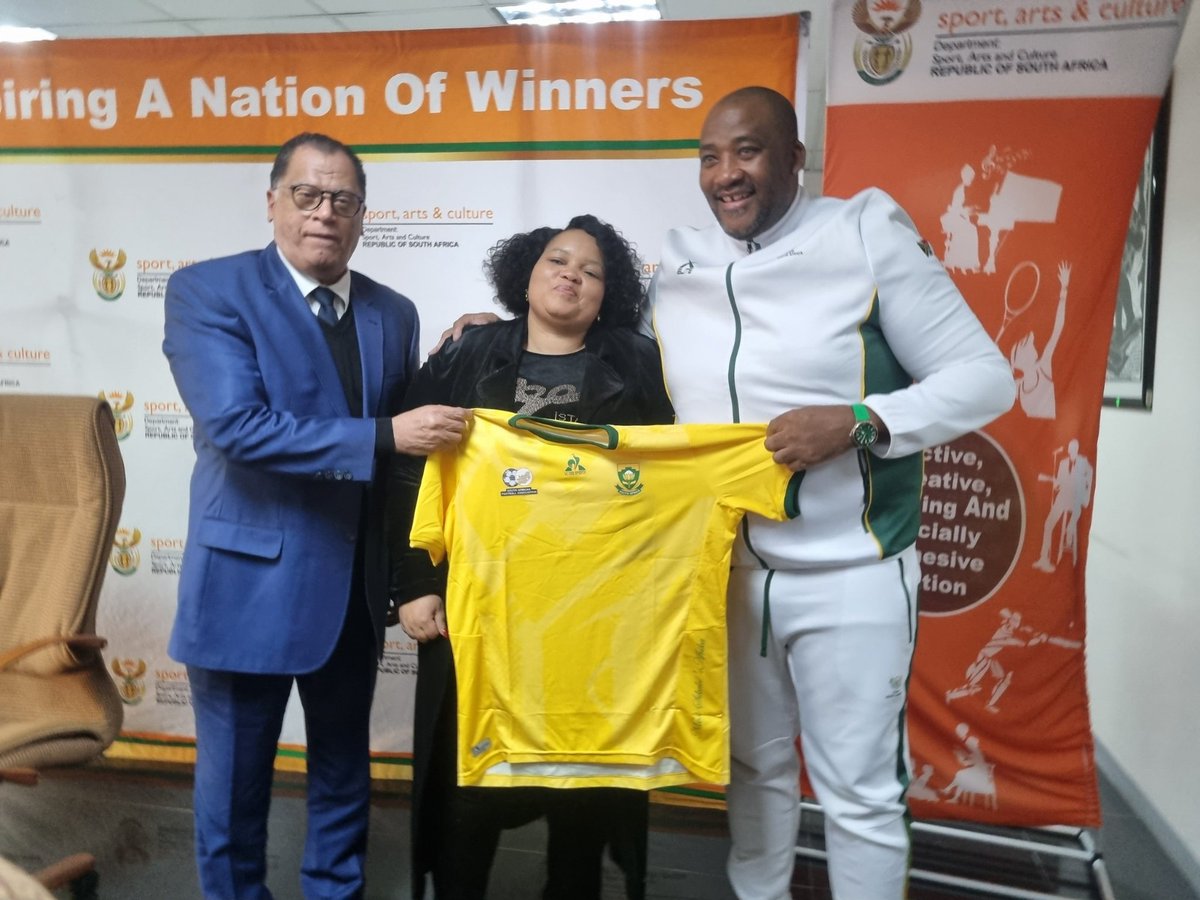
Uncertainty around the upcoming Women’s Africa Cup of Nations has sparked strong criticism from South Africa’s Minister of Sport, Arts and Culture, Gayton McKenzie, who says the situation risks undermining the growth and respect of women’s football on the continent.
Speaking during a departmental press briefing in Pretoria on Wednesday, McKenzie confirmed that South Africa is prepared to step in and host the tournament if Morocco is unable to do so later this month.
The competition is scheduled to run from 17 March to 3 April, but reports suggest Morocco has informed the Confederation of African Football that it may not be ready to stage the event.
For McKenzie, the lack of clarity sends the wrong message at a time when women’s football across Africa is experiencing renewed momentum.
A Tournament Too Important To Delay
The Women’s Africa Cup of Nations is not just another continental tournament. It plays a critical role in determining which teams will represent Africa at the 2027 FIFA Women’s World Cup in Brazil.
It also happens to fall within the only international window long enough to host the full tournament this year. That reality makes any postponement extremely complicated for both players and federations.
CAF president Patrice Motsepe has already indicated that delaying the competition would be far from ideal, highlighting the logistical challenges of rescheduling.
Against that backdrop, McKenzie believes African football authorities are facing an uncomfortable situation.
According to the minister, the uncertainty has placed the continent’s football leadership in a difficult position and risks holding the women’s game hostage.
South Africa Ready If Needed
While emphasising that South Africa would support Morocco if the North African nation proceeds with hosting duties, McKenzie made it clear that the country has the capacity to step in if required.
South Africa’s stadium infrastructure, built and upgraded for the 2010 FIFA World Cup, remains among the most advanced on the continent. Many of those venues continue to host major sporting events and international fixtures.
McKenzie stressed that the country is not short of facilities or organisational capacity.
“If Morocco is going to host AFCON, let them do so and we will support them,” he said. “But if they are not ready, they must tell us now. South Africa is not a country without stadiums or infrastructure and we will not allow our women’s football to be treated this way.”
CAF has reportedly already begun assessing contingency options after learning that Morocco might face difficulties hosting the tournament.
Several national associations were approached to evaluate whether they could organise the competition at short notice, with SAFA among those entering discussions with government authorities.
Questions Around Morocco’s Situation
Morocco’s hosting uncertainty is believed to have emerged after the country staged the men’s Africa Cup of Nations between December and January.
That tournament ended with Senegal defeating Morocco in a tense final, a result that McKenzie suggested may have contributed to the current situation.
While acknowledging the competitiveness of the match, he questioned whether the wider African football community is now dealing with the fallout from that defeat.
McKenzie argued that losing a football match should never lead to broader disruption across the continental game.
According to him, countries should be judged not by a single result but by how they respond afterwards.
Protecting The Growth Of Women’s Football
The minister’s comments also highlight a broader issue that has long surrounded women’s football in Africa. While the sport has grown significantly in recent years, tournaments and competitions have often struggled with inconsistent organisation, funding challenges, and limited visibility.
The success of teams such as Banyana Banyana, who lifted the WAFCON title in 2022, has helped push the women’s game further into the spotlight in South Africa.
That progress makes the current uncertainty around the continental showpiece particularly concerning.
For McKenzie, the message is simple. The women’s game deserves stability, respect, and proper planning.
With the scheduled kickoff date approaching quickly, African football authorities will soon need to confirm whether Morocco will proceed as hosts or whether another nation may be called upon to ensure the tournament goes ahead as planned.
{Source:SABC Sport}
Follow Joburg ETC on Facebook, Twitter , TikTok and Instagram
For more News in Johannesburg, visit joburgetc.com