Family & Kids
Joburg’s unexpected museums worth discovering in 2026
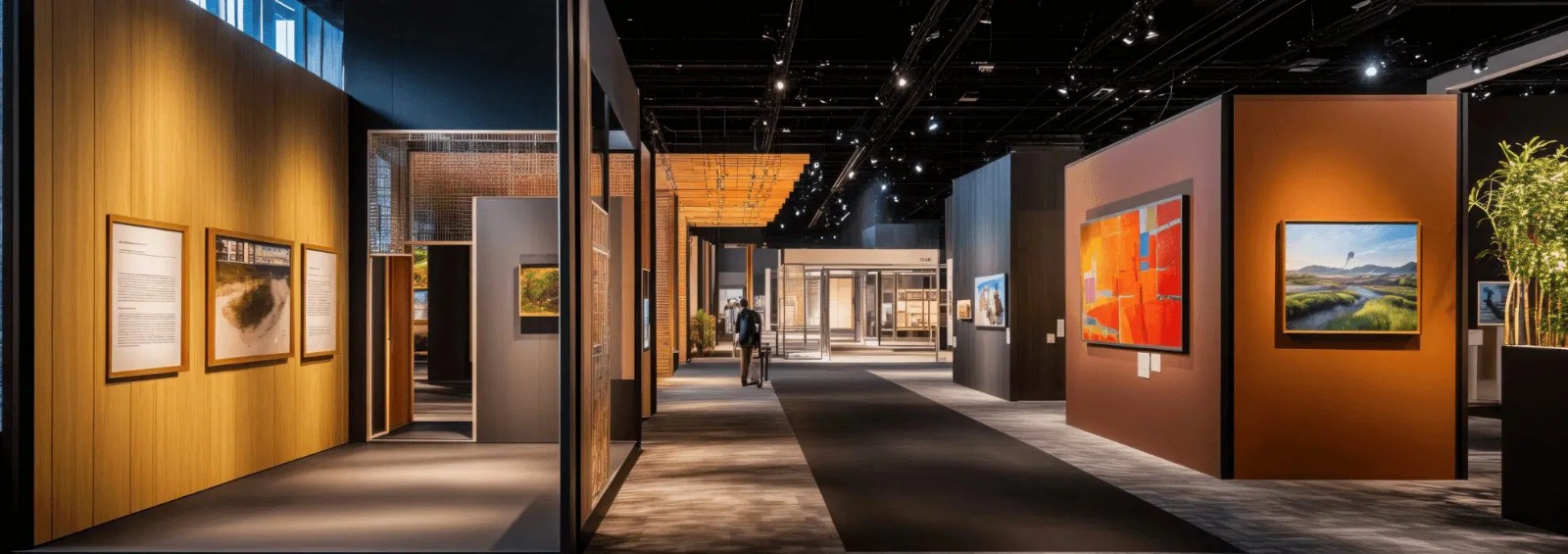
Johannesburg has never been a city that tells just one story.
Yes, the big-ticket sites draw the crowds. But if you scratch beneath the surface in 2026, you will find a quieter, more intimate cultural scene unfolding in old mansions, former workers’ compounds, and even inside a house where a young lawyer once wrestled with ideas that would change the world.
These unexpected Joburg museums do not just display history. They let you walk straight into it.
Step inside a Victorian time capsule in Auckland Park
Tucked away on Richmond Avenue is the Lindfield Victorian House Museum, and it feels less like a museum and more like you have stumbled into someone’s impeccably preserved family home.
Every room is furnished as it would have been in the late nineteenth and early twentieth centuries. Think heavy drapes, polished silverware, and handwritten letters resting on antique desks. Guided tours are led in period dress, and they typically run for about two hours. Visits are by appointment only, which adds to the sense that you are being personally invited into the past.
In a city obsessed with the future, this house insists on slowing you down.
Gandhi’s Joburg chapter, told quietly in Orchards
Long before India’s independence, Mohandas Gandhi lived in Johannesburg. Satyagraha House in Orchards was his home between 1908 and 1909. Today, it functions as both a museum and a boutique guest house, reflecting the simple, ascetic lifestyle he embraced while developing his philosophy of nonviolent resistance.
Open daily from 10:00 to 16:00, with scheduled guided visits between 11:00 and 15:00, the space feels intentionally calm. The minimalist interiors and gardens encourage reflection rather than spectacle.
For many visitors in 2026, this is where global history suddenly feels deeply local.
The machines that built the City of Gold
If Johannesburg was forged in industry, then its lesser-known industrial museums are where that story comes alive.
The James Hall Museum of Transport in La Rochelle is the largest land transport museum in Africa. Inside Pioneers’ Park, you will find everything from ox wagons and steam vehicles to classic cars and early electric models. Entry is free, though donations are welcome. It is open Tuesday to Sunday from 09:00 to 16:30, with a short midday closure on weekends.
In Saxonwold, the South African National Museum of Military History houses extensive collections of military artefacts, aircraft, and records spanning South Africa’s conflicts. It is an unfiltered look at the country’s wartime past.
Then there is the stark reality of the Workers Museum in Newtown. Located in a restored municipal compound, it documents the harsh living conditions faced by migrant labourers in the twentieth century. Original dormitories and a preserved punishment room tell a story that many Joburgers admit they never learned properly at school.
These spaces do not glamorise history. They confront it.
A museum that messes with your mind
Not every museum in Joburg is about the past. Some are about perception itself.
The Museum of Illusions Johannesburg at The Zone in Rosebank is one of only a limited number of such venues globally. Expect optical tricks, immersive rooms, and the famous Gravity Room that has flooded local social media feeds.
Families book it for school holidays. Couples turn it into a quirky date day. Influencers chase the perfect upside-down photo.
It proves that culture in Joburg is not stuck behind glass cabinets.
Ancient stories told in a modern way
On the Wits campus in Braamfontein, the Origins Centre explores the origins of humankind through rock art, archaeology, and interactive displays. It brings together science and storytelling in a way that feels accessible rather than academic.
Just a short walk away, the Wits Art Museum continues to host cutting-edge African art exhibitions and rotating shows that engage directly with contemporary social issues.
Together, they remind visitors that Joburg is not only about gold. It is about creativity, innovation, and identity.
Why these smaller museums matter in 2026
There is a growing shift in how people experience Johannesburg. Social media conversations increasingly favour smaller, living museums over crowded blockbuster attractions. Visitors want texture, not just timelines.
In a city often defined by headlines about power cuts, potholes, and politics, these spaces offer something different. They provide nuance. They reveal how domestic life, industry, migration, and resistance all shaped the Johannesburg we know today.
If you are planning a 2026 trip or even just a fresh weekend in your own city, skip one big-name attraction and replace it with one of these unexpected museums. You might leave with a more layered understanding of Joburg than you ever expected.
Also read: Best family-friendly tech and science activities in Johannesburg 2026
Follow Joburg ETC on Facebook, Twitter, TikT
For more News in Johannesburg, visit joburgetc.com
Featured Image: What’s On In Joburg