Travel
Airfare Costs Climb As Airlines Introduce Fuel Surcharges In South Africa
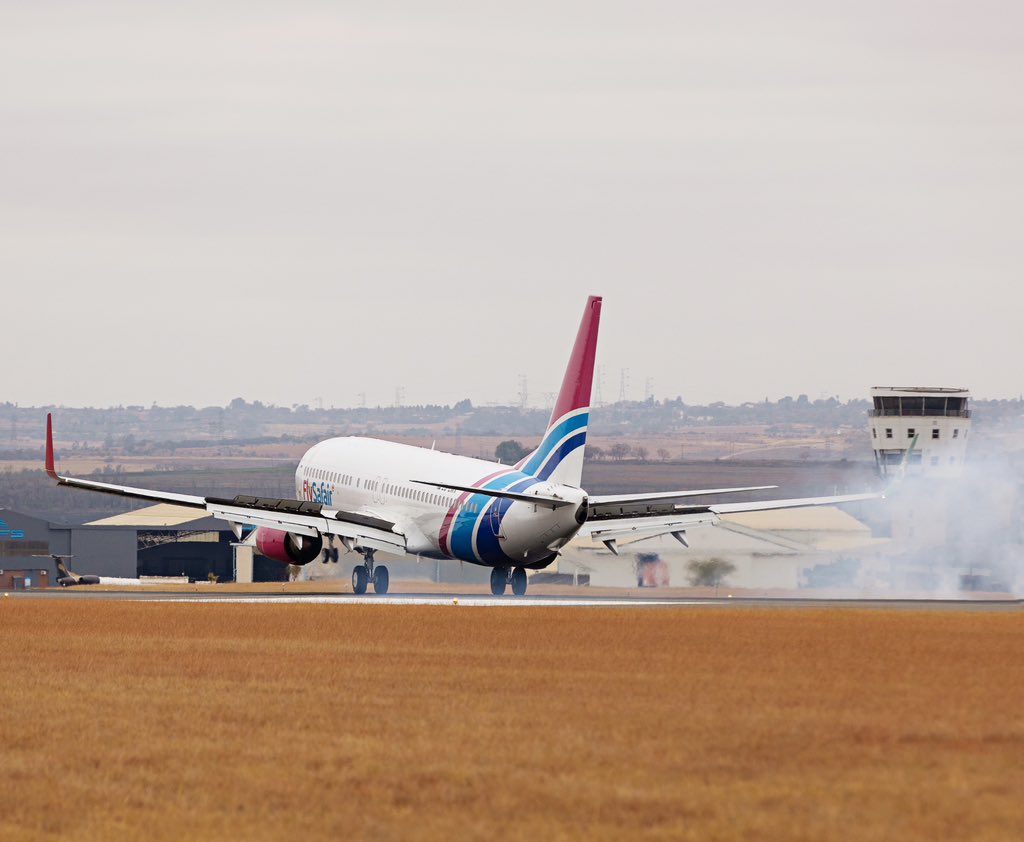
Travellers in South Africa may soon notice something different when booking flights. Ticket prices are beginning to creep up, and in some cases a new line item is appearing on bookings. A fuel surcharge.
Airlines are adjusting fares as global oil prices surge, placing pressure on the aviation industry and forcing carriers to rethink how they price tickets.
The sudden jump in fuel costs has ripple effects across the sector, and passengers are now starting to feel it.
Global Oil Shock Sends Aviation Costs Higher
The price spike follows rising tensions in the Middle East, where Iran has effectively blocked the Strait of Hormuz. The strategic waterway is one of the world’s most important oil shipping routes and carries roughly a fifth of global supply.
With shipments disrupted, crude oil prices have surged dramatically. Prices that were sitting near $70 per barrel before the conflict have climbed to almost $120 in recent days.
For airlines, fuel is one of the single biggest operating costs. When jet fuel prices jump this sharply, ticket pricing almost always follows.
FlySafair Introduces Temporary Fuel Surcharge
Low cost airline FlySafair has confirmed that it will add a temporary fuel surcharge to tickets booked from 12 March 2026.
The surcharge will apply to flights scheduled until 12 May 2026. According to the airline, the charge will be clearly listed on tickets so travellers can see exactly what they are paying.
FlySafair spokesperson Kirby Gordon said the airline decided to itemise the surcharge to maintain transparency for customers during a volatile period for fuel prices.
The cost of the surcharge will vary depending on the route, as longer flights burn more fuel.
Notably, this marks the first time FlySafair has implemented a dedicated fuel surcharge.
Airlink Adjusts Ticket Prices Instead
Regional carrier Airlink has taken a slightly different route. Instead of adding a specific surcharge, the airline has already increased ticket prices twice since the oil price shock began.
Airlink CEO de Villiers Engelbrecht said the airline will continue adjusting fares as fuel costs fluctuate. However, the airline will not apply additional charges to passengers who have already booked their tickets.
Engelbrecht also indicated that the airline could reduce capacity on certain routes if operating costs rise further. Such moves would help limit expenses in what he described as a highly unpredictable market.
Fuel Supply Not The Immediate Problem
Despite the spike in prices, airlines say supply shortages are not currently expected.
South African Airways has previously reassured travellers that it has secured sufficient jet fuel arrangements to keep flights operating as scheduled.
Airlink has also received confirmation from its suppliers that fuel stocks should be adequate for March and April.
The uncertainty lies beyond that timeframe. If the conflict affecting global oil flows continues, airlines may face prolonged cost pressure.
Travel Industry Braces For Volatility
For now, airlines appear focused on keeping flights running while absorbing as much of the rising fuel costs as possible.
But the aviation sector remains highly sensitive to global oil markets. When geopolitical tensions push fuel prices higher, airlines often have little choice but to pass some of that cost onto passengers.
For travellers planning trips in the coming months, it may mean keeping an eye on airfare prices as the global energy situation continues to unfold.
{Source:The South African}
Follow Joburg ETC on Facebook, Twitter , TikTok and Instagram
For more News in Johannesburg, visit joburgetc.com