Travel
New EU Travel Fee Explained: What Travellers Need To Know Before Flying To Europe

Europe Is Adding A New Travel Fee In 2026
If Europe is on your travel mood board for 2026, there is one more admin box to tick before you book that flight. The European Union is rolling out a new travel authorisation system that comes with a €20 fee for certain travellers entering the region.
The system, known as ETIAS, is expected to launch in the last quarter of 2026. While it has been talked about for years, the European Commission has now confirmed both the cost and the timeline, putting it firmly back on travellers’ radar.
On social media, reactions have been mixed. Some frequent flyers see it as just another online form to complete, while others have questioned why visa free travel now comes with a price tag. For South Africans, though, the impact is far smaller than many headlines suggest.
What ETIAS Actually Is And Why It Exists
Despite the confusion online, ETIAS is not a visa. It is a digital pre travel screening system designed for travellers who currently enter most European countries without needing a visa.
The idea is similar to systems already used by the United States and the United Kingdom. Travellers submit personal details online before departure, and once approved, they can travel for short stays of up to 90 days within a 180 day period.
An approved ETIAS authorisation will be valid for three years, or until the traveller’s passport expires, whichever comes first. That means frequent travellers will not need to apply every time they fly.
Who Will Need To Pay The €20 Fee
The €20 fee applies to most adult travellers from countries that currently enjoy visa free access to the Schengen Area.
However, there are several important exemptions. You will not need to pay the ETIAS fee if you are:
• Under the age of 18
• Aged 70 or older
• A qualifying family member of an EU citizen or resident with free movement rights
For everyone else who is visa exempt, the fee will be charged per applicant when submitting the online form.
What This Means For South African Travellers
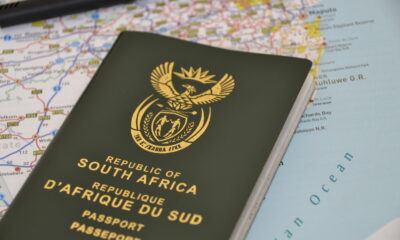
This is where the conversation changes locally. South African passport holders are not visa exempt for the Schengen Area. If you travel to Europe on a South African passport, you already need to apply for a Schengen visa before departure.
That requirement is not changing.
Because ETIAS only applies to visa free travellers, most South Africans will not need to apply for ETIAS at all, and will not be paying the €20 fee.
This has been a major point of confusion online, with many South Africans assuming it is an additional cost on top of existing visa applications. In reality, ETIAS does not replace or add to the Schengen visa process for South African travellers.
Why The Confusion Has Spread So Quickly
Part of the confusion comes from how widely ETIAS has been discussed in global travel media without local context. Headlines announcing “new EU travel fees” have sparked concern, especially at a time when international travel costs are already high.
Travel agents in South Africa have also noted a spike in queries from nervous clients, many of whom assumed the system applied to everyone entering Europe. Clear communication will be key as the launch date approaches.
The Bottom Line Before You Book
If you are travelling to Europe on a South African passport, nothing changes. You will still need a Schengen visa, and ETIAS does not apply to you.
If you hold a passport from a visa free country, ETIAS will be a new step to complete before flying, with a €20 fee attached.
As international travel rules continue to evolve, the best advice remains the same. Always double check entry requirements based on your passport, not just your destination.
{Source:The South African}
Follow Joburg ETC on Facebook, Twitter , TikTok and Instagram
For more News in Johannesburg, visit joburgetc.com