Elite education
Inside South Africa’s Most Expensive Private Schools In 2026 And What The Fees Say About Education
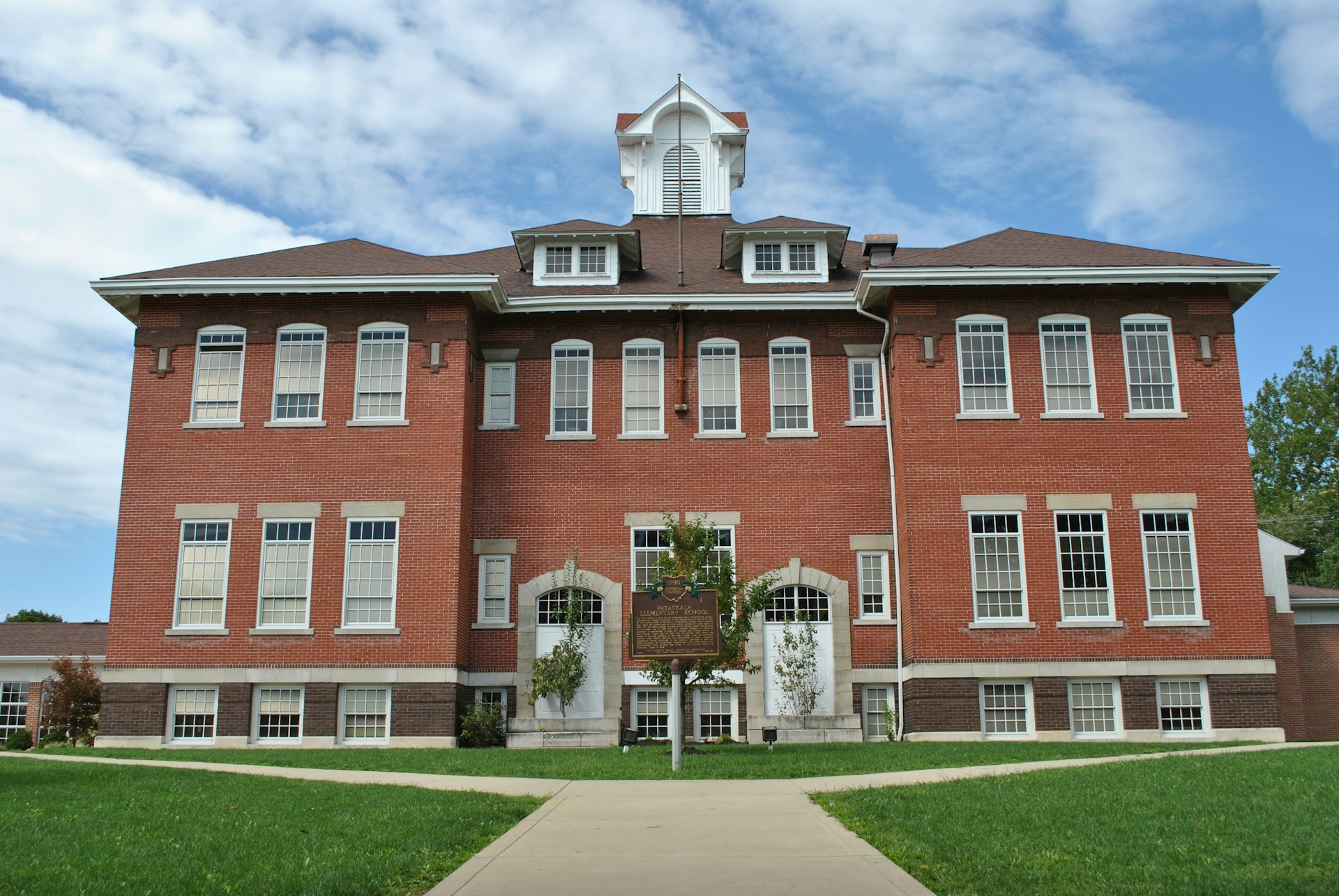
South Africa’s Most Expensive Private Schools Are Now A R2 Million Decision
In 2026, sending a child to one of South Africa’s elite private schools is no longer just a lifestyle choice. It is a long-term financial commitment that rivals the price of a family home in many parts of the country.
Combined tuition and boarding fees at the country’s most expensive schools have continued to rise faster than everyday inflation. For families at the top end of the income ladder, the numbers are eye-watering. For everyone else, they highlight how sharply divided the education landscape has become.
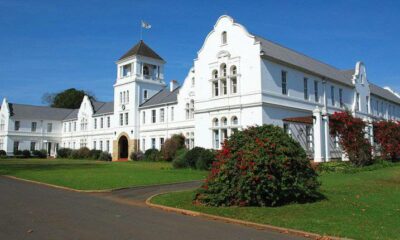
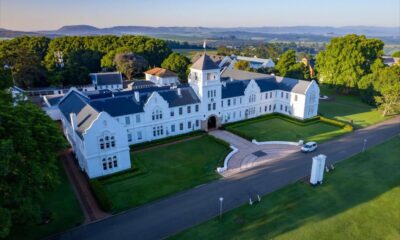
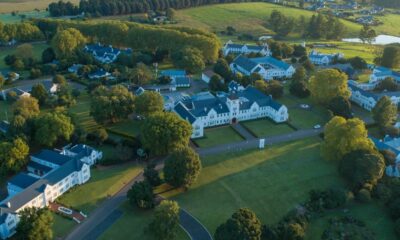
At the top of the list, familiar names still dominate. KwaZulu-Natal powerhouses Hilton College and Michaelhouse remain the most expensive schools in the country, with annual tuition and boarding fees now pushing well beyond R400 000 per year.
They are followed closely by Roedean School and St Andrews College, both of which also cross the R400 000 threshold.
What Parents Are Really Paying For
On average, a year at one of South Africa’s 10 most expensive private schools now costs just over R400 000. Over the full five-year high school journey, parents can expect to spend at least R2 million per child, and that figure excludes uniforms, sports tours, application fees, levies, and extra-curricular activities.
Some of the 2026 fees, including those for Hilton College, Michaelhouse and St Alban’s College, have been estimated based on previous annual increases, as updated fee schedules were not yet available at the time of reporting. Recent hikes ranged between 5.8% and 7.5%, comfortably outpacing consumer inflation.
Among parents, especially on social media and school WhatsApp groups, the reaction has been mixed. While some defend the fees as the price of world-class facilities and networks, others quietly admit that even dual-income households are starting to feel stretched.
Elite Education Versus A Broader Reality
At this level, private schooling offers everything from state-of-the-art sports facilities to small class sizes, extensive boarding infrastructure and international exposure. But as the focus shifts beyond the country’s wealthiest families, a far bigger question emerges.
How does South Africa provide quality education to millions of learners with limited resources?
This question became impossible to ignore during the Covid-19 lockdowns, when schools across the country were forced to adopt digital tools almost overnight. What started as a crisis response has since evolved into a permanent shift toward blended learning.
How Blended Learning Is Reshaping Classrooms
Blended learning combines traditional classroom teaching with online educational technology. The model allows schools to personalise learning, reduce pressure on teachers, and support larger numbers of learners without massive investment in new buildings or staff.
Education groups like Spark Schools have positioned blended learning as a practical way to deliver individualised education at scale. According to the group’s founders, technology can take over routine tasks such as basic skills practice, freeing teachers to focus on deeper engagement with learners.
The Rise Of South Africa’s EdTech Ecosystem
The rapid shift to digital education has fuelled a growing ed-tech sector. Platforms like Matric Live, which supports grades 8 to 12 learners through gamified lessons and video tutorials, have gained national recognition.
Other innovations focus on assessment and exam integrity. The Invigilator helps institutions conduct secure distance exams, removing the need for physical exam centres.
Publishers like Maskew Miller Learning have also entered the space with tools such as Maski, which uses artificial intelligence and platforms like WhatsApp to provide low-cost tutoring support to learners across the country.
Distance-First Schools And A New Cost Curve
At the most affordable end of the spectrum are distance-first institutions such as the UCT Online High School and the Saving Grace Education Group. These schools follow the national CAPS curriculum but operate entirely online, cutting out costs linked to physical campuses, boarding facilities and sports fields.
For many families, especially outside major cities, these models are becoming a serious alternative to traditional private schooling.
Can AI Help Bridge The Education Divide
Artificial intelligence is increasingly seen as a potential support tool for overcrowded classrooms, particularly in under-resourced schools. AI can assist with assessment creation, marking and personalised learning paths, easing the burden on teachers.
A Google-led consortium studying AI in sub-Saharan Africa found that the technology could support multilingual learners, learners with special needs and overstretched educators. However, the same research warns that limited access to reliable internet and devices continues to restrict the impact of AI in rural and low-income communities.
What The Fees Really Reveal
The rising cost of South Africa’s most expensive private schools tells two stories at once. One is about exclusivity, heritage and premium education. The other is about a system quietly reinventing itself through technology to reach more learners at lower cost.
As fees climb higher at the top, the future of education may depend less on prestige campuses and more on how effectively digital tools can close the gap for the majority of South African learners.
{Source:Tech Central}
Follow Joburg ETC on Facebook, Twitter , TikTok and Instagram
For more News in Johannesburg, visit joburgetc.com