News
US Tariff Warning Puts South Africa In A Tight Spot Between Iran And America
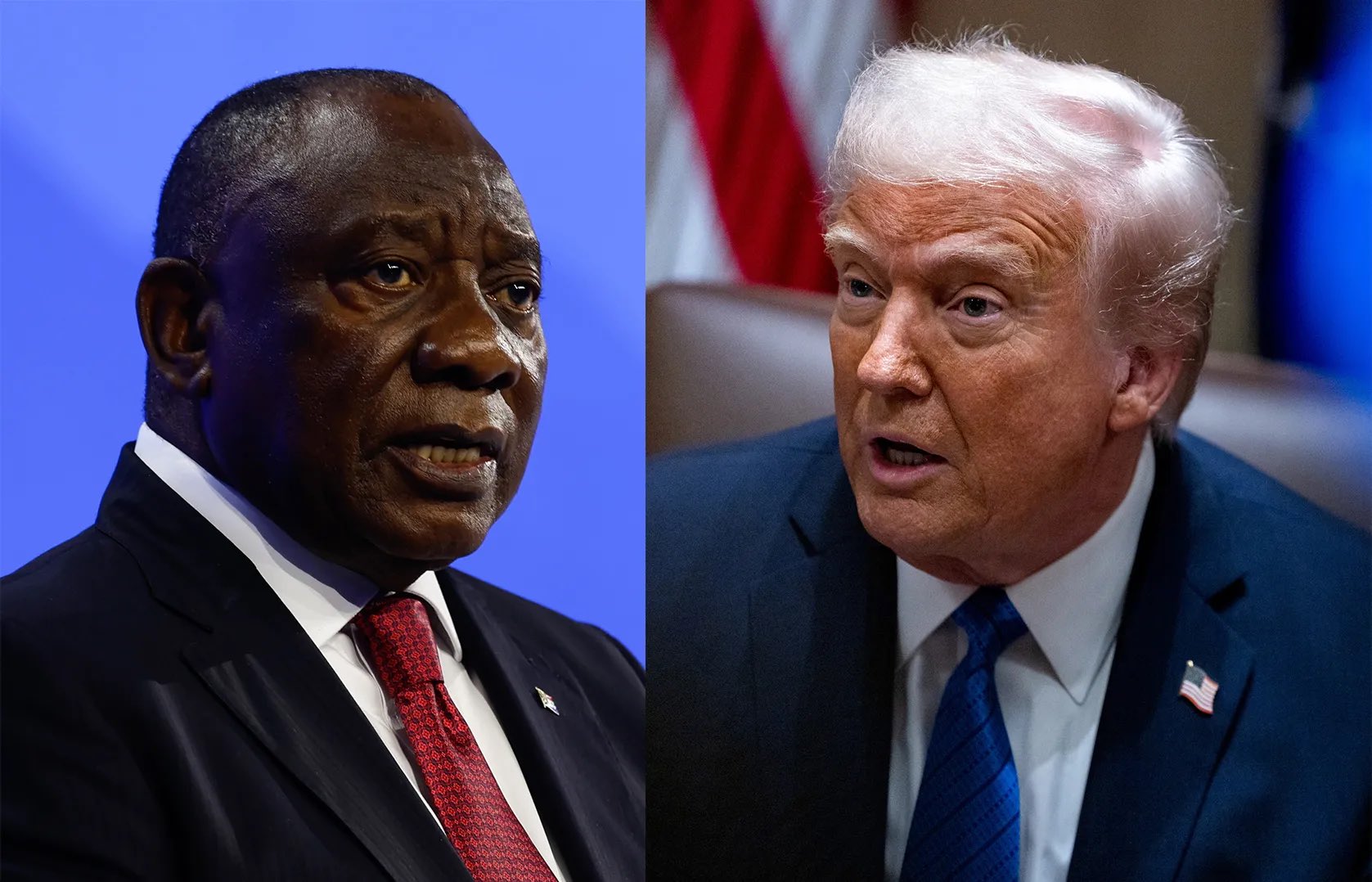
A New Warning From Washington
South Africa has once again found itself caught in the crosshairs of global politics after the United States issued a fresh and uncompromising tariff threat linked to Iran.
US President Donald Trump announced that any country continuing to do business with Iran will face a sweeping 25% tariff on all trade with the United States. The message, delivered via Trump’s Truth Social account, was blunt and final. According to the president, the order takes effect immediately and leaves no room for negotiation.
While the announcement is aimed squarely at Iran and its global partners, the ripple effects could be deeply felt in South Africa, despite relatively modest direct trade between Pretoria and Tehran.
Why South Africa Is Vulnerable
On paper, South Africa’s trade with Iran is small. Exports largely include medical instruments, rubber tyres, and coal, while imports consist of items like tropical fruit, carpets, and petroleum products. Recent trends show imports from Iran rising slightly, even as exports in the other direction decline.
But the real risk lies elsewhere.
South Africa’s economic lifeline is its relationship with the United States. Every year, billions of rand worth of vehicles, automotive components, and minerals flow from South African ports to American buyers. That trade dwarfs anything linked to Iran.
If the US follows through on its threat, those exports could suddenly face a heavy tax at American borders, making South African goods far less competitive overnight.
AGOA And Jobs On The Line
One of the most important pillars of this trade relationship is the African Growth and Opportunity Act, better known as AGOA.
AGOA allows certain South African goods to enter the US market duty-free. Roughly 22% of South Africa’s exports to the US benefit from this arrangement, translating into billions of rand in value.
Trade unions have repeatedly warned that AGOA is not just a policy perk but a jobs engine. Around 426,000 South Africans rely on trade with the US for employment, with approximately 93,000 jobs directly linked to AGOA-supported exports.
Any threat to that access raises immediate concerns about factory floors, assembly lines, and mining operations across the country.
A Complicated Diplomatic Balancing Act
Adding to the tension are South Africa’s recent military optics involving Iran. Iranian naval vessels were hosted at Simon’s Town naval base in Cape Town as part of multinational engagements involving China and Russia.
Although reports indicated Iran ultimately held observer status rather than actively participating in drills, the symbolism did not go unnoticed internationally. Behind the scenes, the decision to limit Iran’s role was reportedly influenced by South Africa’s desire to avoid damaging its trade ambitions with the United States.
It highlights the difficult diplomatic line South Africa is trying to walk, maintaining relationships across geopolitical divides while protecting its economic interests.
The Trade Numbers Tell The Story
The imbalance is stark. South Africa exports about R157 billion worth of goods to the US each year, compared to imports of around R120 billion. That leaves the country with a valuable trade surplus of R36 billion.
By contrast, exports to Iran sit at roughly R359 million, while exports to Russia and Palestine are even smaller. Imports from these countries, while notable, still pale in comparison to the scale of US trade.
From an economic standpoint, the stakes are clear.
Public Reaction And Growing Unease
On social media, South Africans have reacted with a mix of frustration and anxiety. Some users argue the country is paying the price for foreign policy choices that do little to benefit ordinary citizens. Others warn that workers in the auto and mining sectors will feel the impact first if tariffs are imposed.
Economists have echoed those fears, pointing out that South Africa is an open economy where more than half of all economic activity is tied to international trade. Any disruption to major markets like the US does not stay contained. It spreads through supply chains, jobs, and household incomes.
A High-Stakes Moment For Trade Policy
The latest tariff threat places South Africa at a crossroads. Severing ties with Iran is politically unlikely, yet maintaining them could carry serious economic consequences if the US follows through.
What happens next will test South Africa’s ability to balance principle, diplomacy, and economic survival. For now, businesses, workers, and policymakers are watching Washington closely, aware that a single trade decision could reshape livelihoods thousands of kilometres away.
{Source:Business Tech}
Follow Joburg ETC on Facebook, Twitter , TikTok and Instagram
For more News in Johannesburg, visit joburgetc.com