News
Lower Petrol Prices Are Welcome, But South Africans Should Stay Cautious
Petrol Price Reality Check For South African Motorists
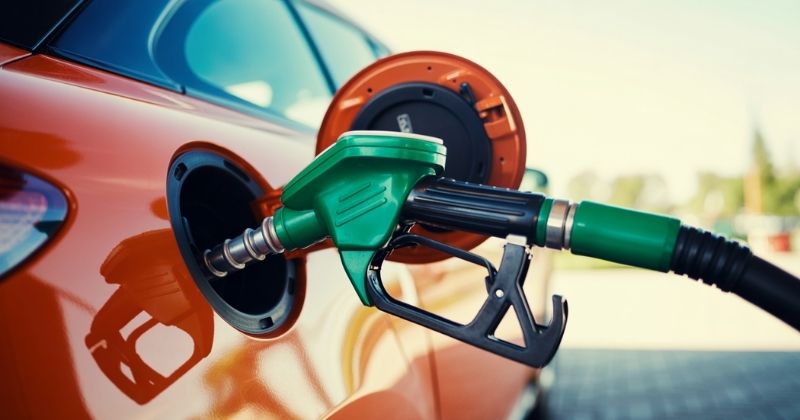
For the first time in a long while, South African motorists are breathing a little easier at the pumps. The numbers are finally moving in the right direction, with petrol prices dropping at the start of 2026 and another sizeable cut expected in February.
But before anyone starts budgeting as if cheap fuel is here to stay, energy experts are urging caution. The current relief is real, but it is also fragile.
Why Fuel Prices Are Falling Right Now
The early months of 2026 have delivered a rare double win for drivers. Global oil prices are lower, and the rand is stronger against the dollar. Together, these two factors are doing most of the heavy lifting.
Preliminary data from the Central Energy Fund shows petrol prices sitting on an over-recovery of about R1.20 per litre. Diesel drivers are doing even better, with recoveries around R1.75 per litre. That sets the stage for another meaningful price cut in February.
In simple terms, South Africa is paying less for crude oil and getting more bang for its buck when buying it.
The Two Forces That Matter Most
Fuel pricing locally comes down to two main ingredients: the international price of crude oil and the rand-dollar exchange rate. Right now, both are aligned in motorists’ favour.
Crude oil prices have dropped sharply over the past year. Brent crude is trading around $60 a barrel, a significant fall from roughly $80 at the start of 2025. That decline feeds directly into lower pump prices at home.
At the same time, the dollar has softened while the rand has firmed, amplifying the relief. It is the kind of alignment that does not happen often, and when it does, it tends to be temporary.
A Fragile Balance
As welcome as the current relief is, it sits on shaky ground. Currency volatility remains a major risk. The rand is notoriously unpredictable, and even a sudden shift in global sentiment could undo months of fuel price gains.
Even if oil prices stay low, a weaker rand would push fuel prices higher almost immediately. On the flip side, oil prices themselves are not guaranteed to remain at current levels.
Prices in the $56 to $60 per barrel range are historically low, raising questions about how sustainable they really are in the medium term.
Political Pressure And Global Reality
There is also growing political pressure in the United States to keep oil prices down. US President Donald Trump has repeatedly spoken about wanting oil closer to $50 a barrel, a level that would be welcomed by fuel-importing countries like South Africa.
However, industry realities complicate that ambition. Much of US shale oil production becomes uneconomical at those levels. New shale wells typically require prices between $60 and $65 a barrel to break even. Pushing prices too low risks hurting producers and supply, which often leads to a rebound later.
What About Electric Vehicles?
Another factor quietly reshaping the global oil landscape is the rise of electric vehicles. In China alone, electrification has already removed around one million barrels of oil per day from demand. In Norway, nearly all new cars sold are now electric.
Despite this, oil is far from disappearing. Global consumption still sits at around 100 million barrels per day, and that figure is unlikely to fall dramatically in the next few years. For South Africa, where EV adoption remains limited due to cost and infrastructure, petrol and diesel will dominate for some time yet.
What Motorists Should Expect Next
On social media, many South Africans are celebrating the current fuel relief, with jokes about filling up for fun and calls to “enjoy it while it lasts”. That sentiment may be closer to the truth than many realise.
If current conditions persist, fuel prices could remain relatively stable in the short term. But history suggests that either the rand or oil prices will eventually move, and when they do, pump prices will follow.
For now, motorists can enjoy the breathing room. Just do not mistake it for a permanent shift. In South Africa’s fuel economy, calm periods are usually borrowed time.
{Source: Business Tech}
Follow Joburg ETC on Facebook, Twitter , TikTok and Instagram
For more News in Johannesburg, visit joburgetc.com